
 EN
EN
 AR
AR
 BG
BG
 HR
HR
 CS
CS
 DA
DA
 NL
NL
 FI
FI
 FR
FR
 DE
DE
 EL
EL
 HI
HI
 IT
IT
 JA
JA
 KO
KO
 NO
NO
 PL
PL
 PT
PT
 RO
RO
 RU
RU
 ES
ES
 SV
SV
 CA
CA
 TL
TL
 IW
IW
 ID
ID
 LV
LV
 LT
LT
 SK
SK
 SL
SL
 UK
UK
 ET
ET
 GL
GL
 HU
HU
 MT
MT
 TH
TH
 TR
TR
 FA
FA
 MS
MS
 GA
GA
How to Install LED Stadium Light for Even Illumination
2025
Mastering Professional LED Stadium Lighting Installation
Stadium lighting installation represents a critical investment in sports facility infrastructure, demanding precision and expertise to achieve optimal illumination. Modern LED stadium lights have revolutionized how we illuminate large sporting venues, offering superior brightness, energy efficiency, and longevity compared to traditional lighting systems. Whether you're upgrading an existing facility or planning a new installation, proper LED stadium light setup ensures safe play conditions and excellent visibility for both athletes and spectators.
The success of any stadium lighting project hinges on careful planning, understanding technical requirements, and implementing industry best practices. This comprehensive guide will walk you through the essential steps, considerations, and professional techniques for installing LED stadium lights to achieve perfect illumination across your entire sporting venue.
Pre-Installation Planning and Assessment
Site Evaluation and Light Requirements
Before mounting any LED stadium light fixtures, a thorough site assessment is crucial. This involves measuring the playing field dimensions, determining mounting height possibilities, and analyzing existing infrastructure. Professional lighting designers typically use computer-aided design software to create detailed photometric plans, ensuring uniform light distribution across the entire venue.
Consider the specific lighting requirements for your facility's primary sports and activities. Different sports have varying illumination standards - football fields typically need different lighting patterns than baseball diamonds or soccer fields. Document these requirements and incorporate them into your planning phase to achieve optimal results.
Technical Specifications and Equipment Selection
Selecting appropriate LED stadium light fixtures involves evaluating several technical factors. The wattage, beam angle, and color temperature of your chosen fixtures must align with your venue's specific needs. Professional-grade LED stadium lights typically range from 300W to 1500W per fixture, depending on mounting height and coverage requirements.
Equipment selection should also account for local weather conditions. Choose fixtures with appropriate IP ratings for moisture protection and ensure they can withstand wind loads at their intended mounting height. Quality mounting brackets and hardware are equally important as the lighting fixtures themselves.
Infrastructure and Mounting Preparation
Pole Installation and Wiring Considerations
Proper pole installation forms the foundation of effective LED stadium lighting. Poles must be correctly sized and securely anchored, typically requiring concrete foundations designed to local building codes. The pole height affects light distribution patterns significantly - taller poles generally provide better uniformity but require higher-powered fixtures.
Electrical infrastructure demands careful attention. Ensure proper voltage supply and circuit capacity for your LED stadium light system. Install appropriate conduit systems for power and control wiring, including provisions for future maintenance access. Professional electricians should verify all connections meet local electrical codes.
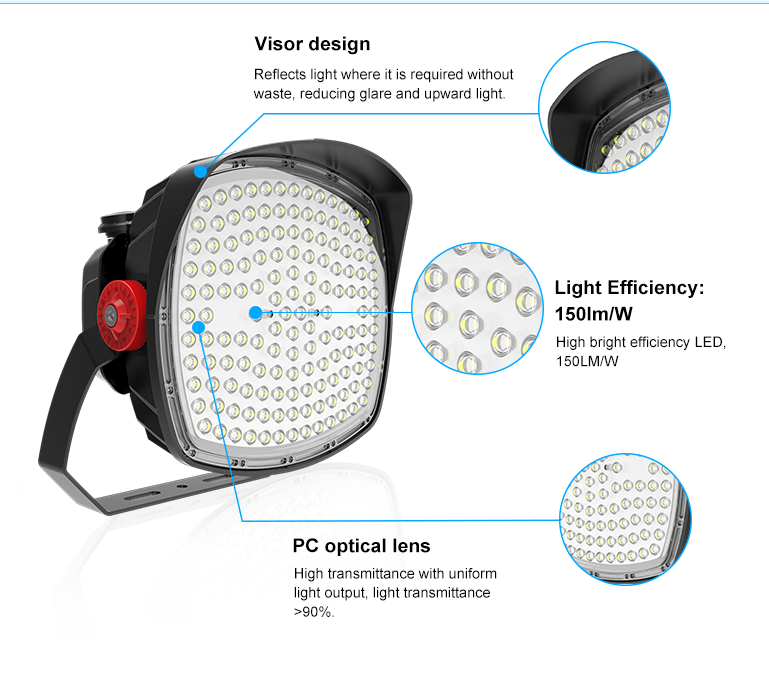
Safety Systems and Access Planning
Incorporate safety features during the preparation phase. Install appropriate surge protection devices to safeguard your LED stadium light investment. Plan for maintenance access with proper safety tie-off points and ladder attachment provisions. Consider installing automated monitoring systems to alert facility managers of any performance issues.
Document all infrastructure specifications, including underground utilities, electrical connections, and structural details. This information proves invaluable for future maintenance and upgrades.
Installation Process and Alignment
Mounting and Initial Setup
The actual installation of LED stadium lights requires precision and attention to detail. Begin by ensuring all mounting brackets are properly secured to poles according to manufacturer specifications. Use torque wrenches to achieve proper bolt tension, and verify all hardware is rated for the application.
Initial fixture placement should follow your photometric plan exactly. Use laser alignment tools to achieve precise positioning of each LED stadium light fixture. Pay special attention to aiming angles - even small deviations can significantly impact light distribution patterns.
Fine-tuning and Optimization
Once fixtures are mounted, conduct preliminary testing during nighttime hours. Use light meters to measure illumination levels across the playing surface. Make incremental adjustments to fixture angles and positions to achieve optimal uniformity. Document all final positions and settings for future reference.
Modern LED stadium light systems often include digital controls for further optimization. Program any available dimming functions and verify proper operation of control systems. Establish different lighting scenarios for various activities if your system supports such functionality.
Testing and Quality Assurance
Performance Verification
Comprehensive testing ensures your LED stadium light installation meets all design specifications. Measure illumination levels at multiple points across the playing surface using calibrated light meters. Compare results against industry standards and project requirements. Verify color rendering and uniformity meet specified criteria.
Document all test results, including light level readings, uniformity calculations, and any adjustments made during the optimization process. This information serves as a baseline for future maintenance and performance evaluation.
System Documentation and Training
Prepare detailed documentation of the entire LED stadium light installation. Include as-built drawings, equipment specifications, warranty information, and maintenance procedures. Train facility staff on proper system operation, including any control systems or special features.
Establish a maintenance schedule and document routine procedures. Include periodic cleaning requirements, inspection protocols, and performance verification steps. Proper maintenance ensures long-term performance and reliability of your lighting system.
Frequently Asked Questions
What is the typical lifespan of LED stadium lights?
Quality LED stadium lights typically last 50,000 to 100,000 hours under normal operating conditions. This translates to approximately 10-20 years of service, depending on usage patterns and maintenance practices. Regular cleaning and proper voltage regulation can help maximize fixture lifespan.
How many LED stadium lights are needed for a typical sports field?
The number of fixtures required depends on field size, mounting height, and illumination requirements. A typical football field might need 20-40 fixtures, while a baseball field could require 30-60 fixtures. Professional photometric analysis should determine the exact quantity for your specific application.
What maintenance is required for LED stadium lights?
Regular maintenance includes cleaning fixtures, checking electrical connections, verifying alignment, and testing control systems. Annual professional inspections are recommended to ensure optimal performance and safety. Most LED stadium light systems require minimal maintenance compared to traditional lighting technologies.


