
 EN
EN
 AR
AR
 BG
BG HR
HR
 CS
CS
 DA
DA
 NL
NL
 FI
FI FR
FR
 DE
DE EL
EL
 HI
HI
 IT
IT JA
JA
 KO
KO
 NO
NO PL
PL PT
PT RO
RO
 RU
RU
 ES
ES
 SV
SV
 CA
CA TL
TL
 IW
IW
 ID
ID
 LV
LV
 LT
LT
 SK
SK
 SL
SL
 UK
UK ET
ET
 GL
GL
 HU
HU
 MT
MT
 TH
TH
 TR
TR
 FA
FA
 MS
MS
 GA
GA
Как да изберем нива на яркост за LED осветителни тела за монтаж на стени
2025
Изборът на подходящите нива на яркост за LED осветителни тела за монтаж на стени е от съществено значение за постигане на оптимална сигурност, безопасност и енергийна ефективност в търговски и индустриални приложения. Съвременните обекти изискват прецизно осветление, което балансира изискванията за видимост с експлоатационните разходи, което прави процеса на избор по-сложен от простото избиране на най-високата налична мощност. Разбирането на люмените, разпределителните модели и конкретните приложни изисквания гарантира, че LED осветлението ви за монтаж на стени осигурява максимална стойност, като същевременно отговаря на стандарти в индустрията и местни разпоредби.
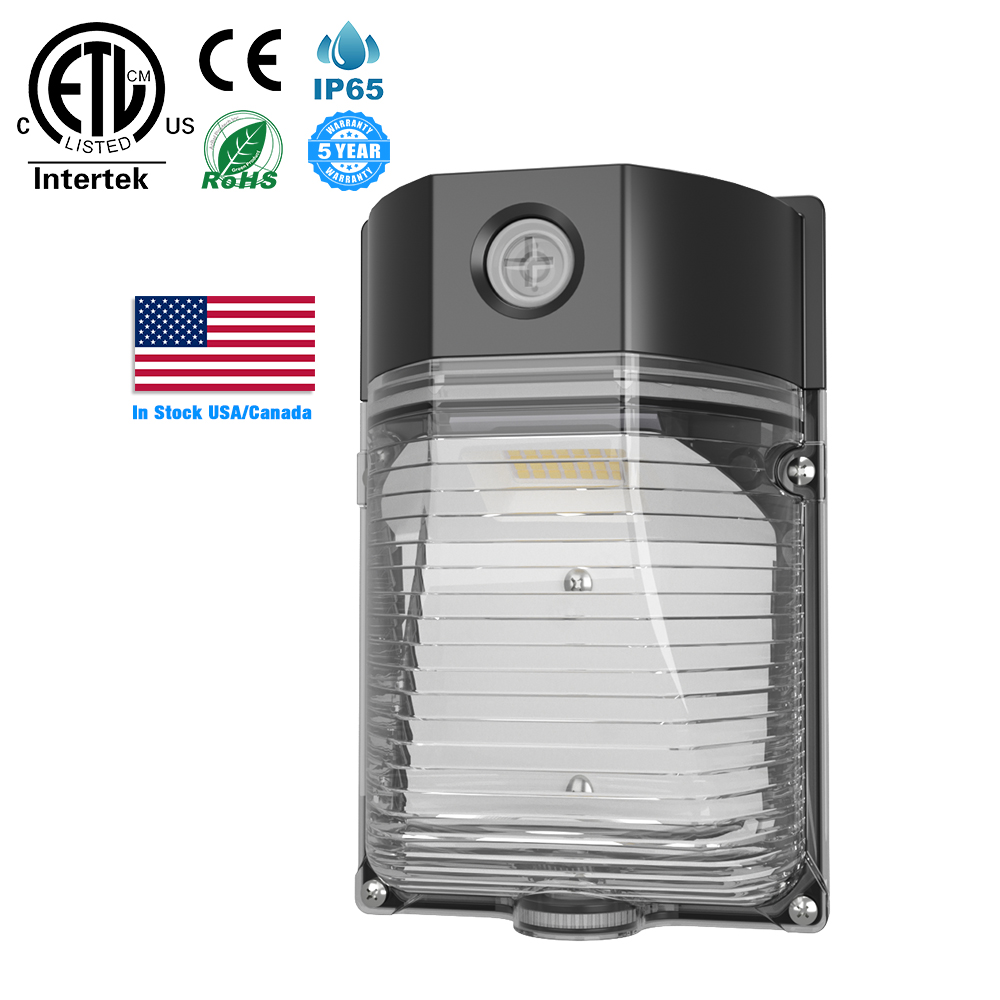
Разбиране на основите на яркостта
Люмените срещу ватовете в съвременните приложения
Преходът от традиционното осветление към LED технологията кардинално промени начина, по който се измерва и определя яркостта. Докато ватовете показват консумацията на енергия, лумините представляват действителния изход на светлина, което ги прави ключов показател при избора на LED осветителни тела за стени. Съвременните LED уреди могат да произвеждат 80–120 лумена на ват, значително надминавайки традиционните алтернативи с металхалидни или натриеви лампи с високо налягане. Тази ефективност означава, че LED уред за стени с мощност 60 вата може да осигури същата осветеност като обикновен уред от 150 вата, като при това изразходва по-малко от половината енергия.
Профессионалните дизайнери на осветление сега поставят изхода на луминенси пред ватовете при избора на осветителни тела за търговски обекти. Типичен 60-ватов LED стенен прожектор произвежда приблизително 7200–8400 лумина, докато 100-ватовите модели генерират 12000–14000 лумина, а 120-ватовите устройства могат да достигнат 15000–17000 лумина. Тези нива на излъчване трябва да съответстват на конкретните изисквания за приложение, като се имат предвид фактори като височина на монтиране, площ на обхвата и желаните коефициенти на равномерност.
Шаблони за разпределение на светлината и обхват
Изборът на ефективна яркост изисква разбиране на това как разпределението на светлината влияе върху възприетите нива на осветеност. LED стенни осветителни тела обикновено имат тип III, тип IV или тип V шаблони за разпределение, като всеки е оптимизиран за различни конфигурации за монтиране и изисквания за обхват. Разпределението тип III осигурява напреде с ориентирано осветление, идеално за паркинги и пътеки, докато шаблоните тип V предлагат 360-градусов обхват, подходящ за открити площи и дворове.
Връзката между изходната мощност на лумината и осветеността на нивото на земята зависи в голяма степен от височината на монтиране и характеристиките на разпределението. LED стенен прожектор с мощност 100 вата, монтиран на 20 фута с тип III разпределение, ще осигури различни стойности на осветеност (в лукс) в сравнение със същото устройство на 15 фута с оптика тип V. Професионални фотометрични изчисления помагат да се определи оптималната комбинация от нива на яркост и модели на разпределение за конкретни инсталации.
Изисквания за яркост според приложението
Приложения за сигурност и наблюдение
Инсталациите с фокус върху сигурността обикновено изискват по-високи нива на осветеност, за да се гарантира адекватната видимост за наблюдателни камери и персонал, който следи. Препоръчителните нива на осветеност за приложения, свързани със сигурността, варират от 5 до 10 фут-свещи в общи зони до 15-20 фут-свещи в зони с висока сигурност. Тези изисквания често се превеждат в употребата на LED прожектори за монтаж на стени с мощност 100–120 вата при стандартни търговски инсталации, осигурявайки достатъчен луминозен поток за поддържане на последователно покритие в цялата наблюдавана зона.
Съвременните приложения за сигурност вземат предвид и цветовата температура, и индекса на възпроизвеждане на цветовете, наред с нивата на яркост. LED лампи с хладен бял цвят (4000K-5000K) подобряват видимостта и представянето на камерите, докато високите стойности на CRI подобряват разпознаването на лица и идентифицирането на детайли. Комбинацията от подходящи нива на яркост и спектрални характеристики гарантира ефективното функциониране на системите за сигурност, като същевременно се спазват стандарти за енергийна ефективност.
Осветление на общи зони и пътеки
Стандартното осветление по пътеки за търговски и индустриални цели изисква умерени нива на яркост, насочени към безопасност и навигация, а не към наблюдение. Типичните препоръки изискват 2–5 фут-свещи на пътеките и 3–8 фут-свещи в паркингите, което може да се постигне с 60–100 вата LED стеново осветление в зависимост от височината на монтиране и разстоянието между светилника. Тези приложения поставят акцент върху равномерното разпределение, а не върху пиковите нива на осветеност, осигурявайки постоянна видимост без рязко сенкиране или точките на отблясъци.
Енергийните норми и инициативите за устойчивост все повече повлияват избора на яркост за приложения за общо осветление. Много райони вече определят максимални плътности на мощността за външно осветление, което изисква от проектантите да оптимизират светлинния поток, като остават в рамките на предписани лимити за вата. Тази регулаторна среда благоприятства високоефективни LED решения за стенни светилници, които максимизират фотометричната ефективност на консумиран ват.
Критерии за технически избор
Анализ на фотометричната ефективност
Профессионалният подбор на яркост се основава на всеобхватен фотометричен анализ, използващ софтуер за изчисления, съответстващ на стандартите в индустрията. Тези инструменти оценяват производителността на осветителните тела въз основа на IES фотометрични файлове, геометрия, специфична за обекта, и приложимите осветителни стандарти. Основните показатели включват средни нива на осветеност, коефициенти на равномерност и гранични условия, които гарантират съответствие с местните изисквания и най-добрите практики в индустрията.
Фотометричните изчисления показват как различните нива на яркост влияят върху общото качество на осветлението и енергийното потребление. Правилно проектираната система за LED осветление на стени балансира пиковата осветеност със средните нива, като обикновено поддържа коефициенти на равномерност между 3:1 и 4:1 за търговски приложения. Осветителните тела с по-висока яркост може да изискват по-голямо разстояние помежду си или променени височини на монтиране, за да се постигне допустима равномерност, докато моделите с по-нисък изход може да изискват по-малко разстояние или допълнително осветление.
Околни и експлоатационни фактори
Околният климат оказва значително влияние върху изискванията за яркост и производителността на осветителните тела при реални приложения. Инсталациите на брега са изложени на солен въздух, който може да деградира оптичните компоненти и евентуално изисква по-високи начални нива на яркост, за да се компенсира дългосрочното намаляване. По същия начин, индустриалните среди с въздушни замърсители могат да изпитват по-бързо намаляване на луминесценцията, което налага използването на по-големи по размер уреди или по-чести интервали за поддръжка.
Екстремните температури влияят на производителността и продължителността на LED и оказват влияние върху стратегиите за избор на яркост. Високите температури на околната среда намаляват ефективността на LED и ускоряват намаляването на светлинния поток, докато екстремно ниските температури могат да повлияят на работата на драйвера и оптичната яснота. Качествените LED улични осветителни тела включват системи за термично управление и компоненти, оценени по температура, за поддържане на постоянна производителност в рамките на работните температурни диапазони, осигурявайки стабилни нива на яркост през целия живот на уреда.
Енергийна ефективност и оптимизация на разходите
Анализ на консумацията на енергия
Оптималният избор на яркост балансира изискванията за осветление с разходите за енергия и екологичните последици. Ефективността на LED уличните осветителни тела варира значително между производителите и продуктovите линии, като висококачествените уреди постигат над 130 люмена на ват в сравнение с 80–90 люмена на ват за влизането на пазара. Тази разлика в ефективността може да доведе до значителни разлики в експлоатационните разходи през типичния живот на LED от над 50 000 часа.
Програмите за отговор на търсенето и стимули от енергийните доставчици все по-често възнаграждават обекти, които оптимизират консумацията на електроенергия за осветление по време на върхови часове. Интелигентни системи за осветление с LED стени и възможност за затемняване позволяват динамично регулиране на яркостта в зависимост от заетостта, часа от денонощието или състоянието на мрежата. Тези напреднали стратегии за управление могат да намалят енергийното потребление с 20–40%, като същевременно осигуряват достатъчно нива на осветеност за изискванията за безопасност и сигурност.
Разглеждане на lifecycle costs (ценностни разходи)
Анализът на общата цена на притежание показва, че по-високата ефективност на LED осветителните тела за стени често оправдава по-високата цена чрез намалени експлоатационни разходи. Спестяванията на енергия, намалените разходи за поддръжка и удължените интервали между подмяната допринасят за благоприятни периоди на възвръщаемост, обикновено 2–4 години за търговски обекти. Висококачествени тела с превъзходни характеристики за поддържане на люмените могат да запазят 90% от първоначалната яркост след 50 000 часа, докато по-нискокачествените алтернативи биха могли да намалеят до 70% за същия период.
Условията за гаранция и възможностите за поддръжка от производителя значително повлияват дългосрочните разходи. Петгодишни гаранции с всеобхватно покритие осигуряват финансова защита срещу преждевременни повреди и намаляване на производителността. Производителите на LED осветителни тела за стени от професионален клас обикновено предлагат разширени гаранционни опции и програми за подмяна, които гарантират постоянни нива на осветеност през целия очакван експлоатационен срок.
Системи за управление и интелигентна интеграция
Димери и адаптивни системи за управление
Съвременните LED системи за осветление на стени включват сложни възможности за управление, които оптимизират нивата на яркост въз основа на реалните условия и моделите на присъствие. Фотоелементите автоматично регулират изходната мощност според външната светлина, докато сензорите за присъствие могат да увеличават яркостта при откриване на движение и да я намаляват по време на периоди без активност. Тези адаптивни стратегии за управление максимизират икономията на енергия, като осигуряват адекватно осветление, когато е необходимо.
Мрежовите системи за управление на осветлението позволяват централизирано наблюдение и регулиране на яркостта в целия обект чрез възможности за централизиран мониторинг и настройка. Системите за автоматизация на сгради могат да интегрират LED осветителни тела с други системи в обекта, координирайки нивата на осветеност с мерките за сигурност, работата на отоплителните, вентилационните и климатичните системи и графиките на присъствие. Този подход към интеграция оптимизира общата ефективност на обекта, като запазва гъвкавия контрол върху яркостта при променящите се оперативни изисквания.
Интеграция на аварийно и резервно осветление
Изискванията за аварийно осветление могат да повлияят на избора на яркост за инсталации с LED стенни светилници, особено в зони за евакуация и критични за безопасността зони. Аварийни баластни уреди и системи за резервно захранване с батерии осигуряват непрекъсната работа при прекъсване на електрозахранването, обикновено при понижена яркост, достатъчна за безопасна евакуация и действия при аварийни ситуации. Интегрираното аварийно осветление премахва необходимостта от отделни инсталации на светилници, като осигурява спазване на нормативите и непрекъсната работоспособност.
Интелигентни системи за зареждане и технологии на литиево-йонни батерии удължават продължителността на аварийната работа, запазвайки компактни размери. Съвременни LED стенни светилници с интегрирани аварийни възможности могат да осигурят 90 минути аварийно осветление при определени нива на яркост, като изпълняват или надминават стандартните изисквания за аварийно осветление. Тези интегрирани решения опростяват инсталирането и поддръжката, като гарантират надеждна работа при критични ситуации.
Разглеждане на въпросите за инсталиране и поддръжка
Оптимизация на височината за монтиране и разстоянието
Правилният избор на височина за монтиране директно влияе на необходимите нива на яркост за ефективни инсталации на LED осветителни тела за стени. По-високи позиции за монтиране увеличават обхвата, но намаляват осветеността на ниво земя, което потенциално изисква осветителни тела с по-голяма мощност, за да се поддържат адекватни нива на осветеност (в лукс). Обратно, по-ниските височини за монтиране осигуряват по-концентрирана светлина, но може да изискват по-малко разстояние между телата, за да се постигне равномерно покритие.
Стандартните височини за монтиране на търговски LED осветителни тела за стени варират между 3,5-7,5 м, като повечето инсталации са в диапазона 4,5-6 м за оптимално балансиране на производителността. Фотометричните изчисления определят връзката между височината на монтиране, разстоянието между уредите и необходимите нива на яркост, като се гарантира избраната мощност да осигурява адекватно осветление, като едновременно се минимизира енергопотреблението и разходите за инсталация.
Достъп до поддръжка и сервизиране
Изискванията за поддръжка влияят върху стратегиите за избор на яркост, особено при инсталации, при които достъпът до осветителните тела е труден или скъп. По-високата яркост на LED стенни светилници може да оправдае по-висока цена, когато интервалите за поддръжка се удължават благодарение на висококачествени компоненти и ефективно топлинно управление. Модулните конструкции, които позволяват замяна на LED модулите или драйверите на място, могат да удължат живота на светилника, като запазят постоянни нива на яркост през целия експлоатационен период.
Възможностите за предиктивна поддръжка в умни системи за LED стенни светилници осигуряват ранно предупреждение за намаляване на производителността или повреди на компоненти. Беспроводни системи за наблюдение могат да проследяват луминозния поток, консумацията на енергия и работните температури, което позволява планиране на поддръжката предварително, преди нивата на яркост да паднат под допустимите граници. Този предиктивен подход минимизира неочакваните повреди и гарантира последователна светлинна производителност.
ЧЗВ
Какво ниво на яркост се препоръчва за LED осветителни тела на стени за паркинги?
Приложенията за паркинги обикновено изискват осветеност от 2-5 фут-свещи, постижими с LED улични светилници с мощност 60–100 вата, в зависимост от височината на монтажа и разстоянието между тях. Поради съображения за сигурност в зони с висок риск може да се наложи по-висока яркост до 8-10 фут-свещи. Професионален фотометричен анализ гарантира оптимален подбор на яркостта според конкретните условия на обекта и изискванията за сигурност.
Как да изчисля необходимата яркост за моето конкретно приложение?
Изчисленията на яркостта изискват фотометричен анализ, използвайки IES файлове на осветителните тела, размери на обекта, височини на монтиране и приложими стандарти за осветление. Професионални проектисти на осветление използват специализиран софтуер, за да определят оптималния луминозен поток, разстоянието между телата и необходимата мощност. Основни фактори включват желаните нива на фут-свещи, коефициенти на равномерност и цели за енергийна ефективност, специфични за вашето приложение.
Може ли да се регулира яркостта на LED стенни светилници след монтаж?
Много съвременни LED стенни светилници разполагат с възможност за затемняване, която позволява регулиране на яркостта след монтажа чрез различни методи за управление. Фотоелементи, сензори за присъствие и мрежови системи за осветление осигуряват автоматично регулиране на яркостта в зависимост от условията и графиките. Опциите за ръчно затемняване позволяват на управителите на сградите да настройват нивата на осветеността според променящите се оперативни изисквания.
Какви фактори влияят върху яркостта на LED стенни светилници с течение на времето?
Яркостта на LED стенни светилници естествено намалява с времето поради намаляване на луминисцентния поток, като обикновено запазва 70-90% от първоначалния изход след 50000 часа, в зависимост от качеството на светилника. Външни фактори като екстремни температури, влажност и въздушни замърсители могат да ускорят това намаляване. Редовното почистване и правилното топлинно управление помагат да се поддържа оптималната яркост през целия експлоатационен живот на светилника.


