
 EN
EN
 AR
AR
 BG
BG
 HR
HR
 CS
CS
 DA
DA
 NL
NL
 FI
FI
 FR
FR
 DE
DE
 EL
EL
 HI
HI
 IT
IT
 JA
JA
 KO
KO
 NO
NO
 PL
PL
 PT
PT
 RO
RO
 RU
RU
 ES
ES
 SV
SV
 CA
CA
 TL
TL
 IW
IW
 ID
ID
 LV
LV
 LT
LT
 SK
SK
 SL
SL
 UK
UK
 ET
ET
 GL
GL
 HU
HU
 MT
MT
 TH
TH
 TR
TR
 FA
FA
 MS
MS
 GA
GA
Bringing Sports to Light: The Advantages and Innovations of LED Stadium Lighting
2026
Nowadays, high-quality lighting is crucial for sports facilities to ensure optimal performance and safety. LED stadium lights have become an indispensable part of modern sports facilities, offering bright and uniform lighting that enhances visibility for players, officials, and spectators. Compared to traditional lighting sources, such as metal halide lamps and high-pressure sodium lamps, LED technology has transformed the lighting industry. LED stadium lights provide many benefits, including energy efficiency, longer lifespan, and reduced maintenance costs. This article will provide a detailed description of LED stadium lights, including their features, benefits, and applications, with a focus on the optical and customization aspects.

Optical Features of LED Stadium Lights
To achieve optimal lighting performance in sports facilities, the optical features of LED stadium lights play a crucial role. These features are tailored to deliver bright and uniform lighting that ensures clear visibility for players, officials, and spectators. Some of the essential optical features of LED stadium lights include beam angle, color temperature, color rendering index (CRI), and flicker-free technology. By maximizing these features, LED stadium lights can offer superior lighting performance when compared to traditional lighting sources.
High Luminous Efficacy: One of the key advantages of LED stadium lights is their high luminous efficacy, which refers to the amount of brightness they produce per unit of power consumption. This feature is particularly important for sports facilities, as it enables LED stadium lights to provide bright and uniform lighting that ensures clear visibility for players and officials. This is essential for both safety and optimal performance during sports events. LED stadium lights are a more energy-efficient and cost-effective lighting solution for sports facilities, as they consume less power while producing higher levels of brightness compared to traditional lighting sources. They provide clear visibility for players and officials, which is crucial for safety and performance.
High Color Rendering Index (CRI): LED stadium lights are designed with a high color rendering index (CRI), which is a measure of how accurately they can render colors. This feature is particularly important for sports facilities, as it ensures that players and officials can distinguish between different colors accurately. LED stadium lights with a high CRI provide bright and uniform lighting that enhances the visibility of colors, making it easier for players and officials to identify different objects and markings on the field. Compared to traditional lighting sources, LED stadium lights with a high CRI offer superior color rendering capabilities, providing a more accurate and enjoyable viewing experience for everyone involved in sports events. This is important for sports facilities where color accuracy is essential, such as tennis courts and basketball courts.
Uniform Lighting: LED stadium lights provide uniform lighting, which is essential for sports facilities. They eliminate shadows and dark spots, ensuring clear visibility for players and officials.
Glare Control: LED stadium lights have a glare control feature to reduce the discomfort and visual impairment caused by excessive brightness. This feature is essential for sports facilities where players and officials need to maintain focus and concentration.
Flicker-Free: LED stadium lights offer a flicker-free feature, providing stable and consistent lighting without any flickering. This feature is important for sports facilities where visual stability is essential, such as soccer fields and baseball fields.
Customization of LED Stadium Lights
LED stadium lights offer customization options to sports facilities, enabling them to tailor the lighting to their specific requirements. The following are some of the customization options of LED stadium lights:
Dimming Control: LED stadium lights come equipped with dimming control capabilities, which allow them to be programmed to provide different lighting levels depending on the specific needs of the facility. This feature is particularly useful for sports facilities, as it enables them to adjust the lighting levels to suit different events, such as games, practices, or concerts. By adjusting the lighting levels, LED stadium lights can create different atmospheres and moods, enhancing the overall experience for players, officials, and spectators. Compared to traditional lighting sources, LED stadium lights with dimming control capabilities offer greater flexibility and versatility, making them a more adaptable and efficient lighting solution for sports facilities. This feature enables sports facilities to adjust the lighting for different events and activities.
Color Temperature Control: LED stadium lights can be programmed to provide different color temperatures, depending on the specific requirements of the facility. This feature enables sports facilities to adjust the lighting for different sports and events.
Beam Angle Control: LED stadium lights are designed with beam angle control capabilities, which allow them to be programmed to provide different beam angles depending on the specific needs of the facility. This feature is particularly useful for sports facilities, as it enables them to adjust the beam angles to suit different events, such as games, practices, or concerts. By adjusting the beam angles, LED stadium lights can provide more focused or wider lighting coverage, enhancing the overall visibility and experience for players, officials, and spectators. Compared to traditional lighting sources, LED stadium lights with beam angle control capabilities offer greater flexibility and precision, making them a more adaptable and efficient lighting solution for sports facilities. This feature enables sports facilities to adjust the lighting for different areas and activities.
Wireless Control: LED stadium lights are equipped with wireless control capabilities, which enable sports facilities to adjust the lighting remotely. This feature is particularly useful for large sports facilities, where it may be difficult or time-consuming to make manual adjustments to the lighting. With wireless control, facility managers can easily adjust the lighting levels, beam angles, and other settings from a remote location, using a computer or mobile device. This allows them to optimize the lighting for different events, save energy, and reduce maintenance costs. Compared to traditional lighting sources, LED stadium lights with wireless control capabilities offer greater convenience and efficiency, making them a more advanced and intelligent lighting solution for sports facilities. This feature enables sports facilities to adjust the lighting for different events and activities without the need for manual adjustment.
Motion Detection: LED stadium lights can be programmed to detect motion, enabling them to adjust the lighting automatically. This feature enables sports facilities to save energy and reduce electricity bills by turning off the lights when there are no people present.
Advantages of LED Stadium Lights
Compared to traditional lighting sources, LED stadium lights provide a wide range of advantages and benefits. These benefits include superior lighting performance, energy efficiency, longer lifespan, reduced maintenance costs, and greater flexibility and customization options. LED stadium lights also offer bright and uniform lighting, ensuring clear visibility for players, officials, and spectators. With features such as dimming control, beam angle control, and wireless control capabilities, LED stadium lights provide a more advanced and intelligent lighting solution for sports facilities. Overall, LED stadium lights are a game-changing technology that has revolutionized the way sports facilities are illuminated, offering numerous benefits that traditional lighting sources simply cannot match. The following are some of the benefits of LED stadium lights:
Cost Savings: LED stadium lights provide notable cost savings on electricity bills and maintenance expenses, thanks to their energy efficiency and longer lifespan compared to traditional lighting sources. They consume less power and have a longer lifespan than traditional lighting sources.
Improved Visibility: LED stadium lights offer enhanced visibility for players, officials, and spectators due to their bright and uniform lighting. This improves safety and performance and enhances the overall experience of sports events.
Environmental Sustainability: LED stadium lights are an environmentally sustainable lighting solution, consuming less power and having a longer lifespan than traditional lighting sources. They reduce the carbon footprint of sports facilities and contribute to a cleaner environment.
Customization: LED stadium lights offer customization options to sports facilities. They can be programmed to provide different lighting levels, color temperatures, and beam angles, depending on the specific requirements of the facility. Romanso provides customized product for special project, like: DMX control and control system, High R9, CRI90, green light source, RGB source, DALI dimming, electrophoresis for better anti-corrosion, and so on.
Durability: LED stadium lights are durable and can withstand harsh weather conditions. They are designed to be waterproof and resistant to dust and corrosion, ensuring long-lasting performance.
Applications of LED Stadium Lights
LED stadium lights have a wide range of applications in various sports facilities, including stadiums, arenas, and outdoor courts. The following are some of the applications of LED stadium lights:
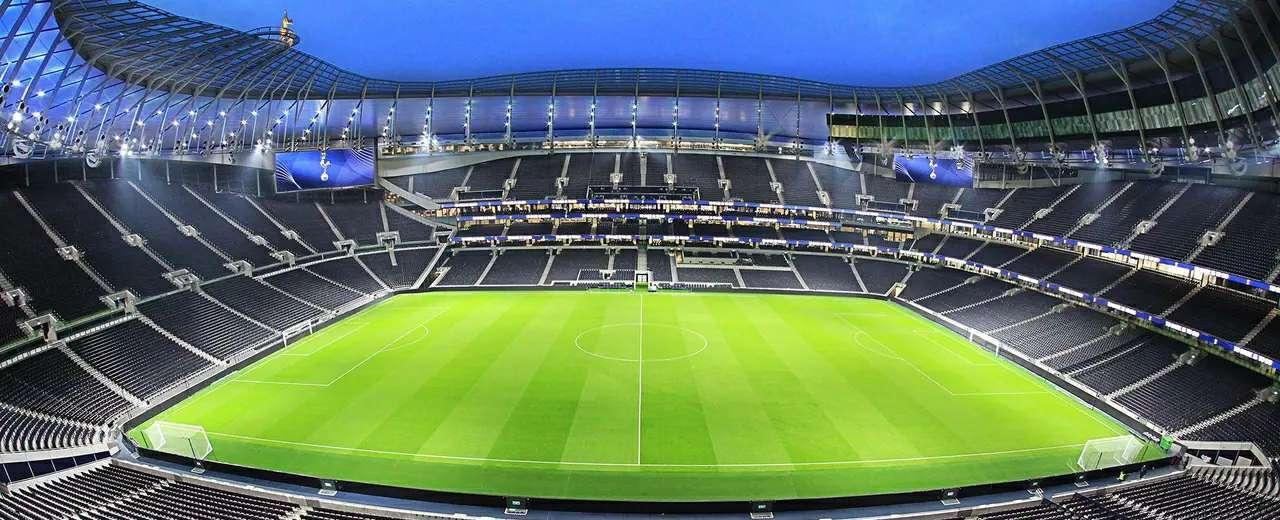
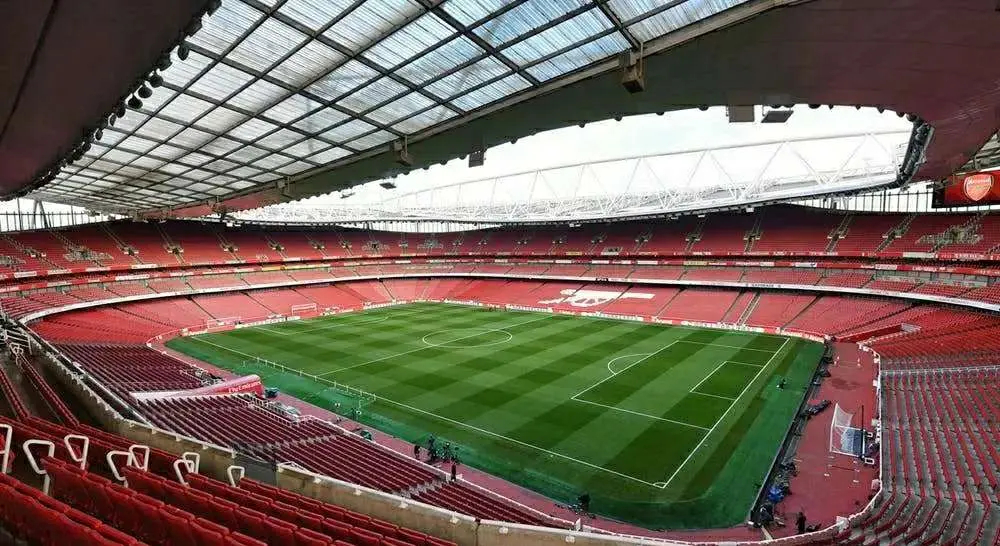
Football Stadiums: LED stadium lights are commonly used in football stadiums to provide bright and uniform lighting for players and officials. The lights are strategically placed to eliminate shadows and dark spots, ensuring optimal performance.
Basketball Arenas: LED stadium lights are used in basketball arenas to provide clear visibility for players and officials. They are designed to provide bright and uniform lighting that enhances the experience of the game.
Tennis Courts: LED stadium lights are used in tennis courts to provide bright and uniform lighting, ensuring clear visibility for players. The lights are placed to eliminate shadows and dark spots that can affect the gameplay.
Baseball Fields: LED stadium lights are commonly used in baseball fields to provide bright and uniform lighting, ensuring clear visibility for players and officials. The lights are designed to eliminate shadows and dark spots, ensuring optimal performance.
Outdoor Sports Facilities: LED stadium lights are used in various outdoor sports facilities, including running tracks, soccer fields, and golf courses. They provide bright and uniform lighting, ensuring clear visibility for players and officials. The lights are placed to eliminate shadows and dark spots, ensuring optimal performance.
Indoor Sports Facilities: LED stadium lights are also used in indoor sports facilities, including gymnasiums and indoor arenas. The lights provide bright and uniform lighting, ensuring clear visibility for players and officials. They are designed to eliminate shadows and dark spots, ensuring optimal performance.
Entertainment Venues: LED stadium lights are also used in entertainment venues, including concert halls and theaters. The lights provide bright and uniform lighting, enhancing the experience of the performance. They are designed to create a dynamic and immersive atmosphere that engages the audience.
In conclusion, LED stadium lights have a wide range of applications in various sports and entertainment facilities. They provide bright and uniform lighting, ensuring clear visibility for players, officials, and spectators. They are designed to eliminate shadows and dark spots, ensuring optimal performance and enhancing the overall experience of sports events and live performances.
Conclusion
LED stadium lights are an essential component of modern sports facilities. They provide bright and uniform lighting, ensuring clear visibility for players, officials, and spectators. LED technology has revolutionized the lighting industry and offers numerous advantages over traditional lighting sources. LED stadium lights are highly energy-efficient, durable, and environmentally sustainable. They offer significant cost savings on electricity bills and maintenance costs and contribute to a cleaner environment. LED stadium lights offer customization options to sports facilities, enabling them to tailor the lighting to their specific requirements. LED stadium lights are used in various sports facilities, providing optimal performance and safety for sports events.
Romanso has rich experiences on supporting our customers to finish projects, including professional competition area project, like the Youth Olympic Games in 2018 of Argentina ,the UEFA in 2020 of Romania, Guam Baseball Field Light Project, A Construction Area in Kenya, more to list…
Warmly welcome your inquiry on our led stadium light at [email protected]


