
 EN
EN
 AR
AR
 BG
BG
 HR
HR
 CS
CS
 DA
DA
 NL
NL
 FI
FI
 FR
FR
 DE
DE
 EL
EL
 HI
HI
 IT
IT
 JA
JA
 KO
KO
 NO
NO
 PL
PL
 PT
PT
 RO
RO
 RU
RU
 ES
ES
 SV
SV
 CA
CA
 TL
TL
 IW
IW
 ID
ID
 LV
LV
 LT
LT
 SK
SK
 SL
SL
 UK
UK
 ET
ET
 GL
GL
 HU
HU
 MT
MT
 TH
TH
 TR
TR
 FA
FA
 MS
MS
 GA
GA
How Does LED Solar Street Light Save Energy
2025
The Evolution of Street Lighting: Embracing Solar LED Technology
Street lighting has undergone a remarkable transformation over the decades, moving from traditional incandescent bulbs to more efficient solutions. Among these innovations, LED solar street light technology stands at the forefront of energy conservation and sustainable urban development. These advanced lighting systems combine the efficiency of LED technology with the renewable power of solar energy, creating a powerful solution for modern cities and communities seeking to reduce their environmental impact while maintaining essential lighting infrastructure.
Core Components and Operating Mechanism
Solar Panel and Energy Collection System
The heart of an LED solar street light begins with its solar panel, typically mounted at an optimal angle to capture maximum sunlight throughout the day. These photovoltaic panels convert solar energy into electrical power, which is then stored in batteries for nighttime use. Modern solar panels used in street lighting applications can achieve conversion efficiencies of up to 20%, ensuring substantial energy collection even during shorter winter days or partially cloudy conditions.
Battery Storage and Management
Advanced battery systems in LED solar street lights utilize lithium-ion technology, offering superior energy density and longer lifespan compared to traditional lead-acid batteries. These batteries are managed by sophisticated charge controllers that optimize charging cycles and protect against overcharging or deep discharge, thereby extending the overall system life and maintaining consistent performance throughout the year.
LED Luminaire Design
The LED luminaire itself incorporates state-of-the-art diodes that produce bright, clear light while consuming minimal power. Modern LED solar street light fixtures are designed with precision optics that direct light exactly where needed, minimizing light pollution and maximizing illumination efficiency. This targeted approach ensures optimal light distribution while using significantly less energy than traditional street lighting solutions.
Energy Efficiency Mechanisms
Smart Control Systems
LED solar street lights incorporate intelligent control systems that automatically adjust brightness levels based on natural light conditions and movement detection. These smart controls can dim lights during low-traffic periods and increase illumination when activity is detected, resulting in substantial energy savings while maintaining safety and security standards.
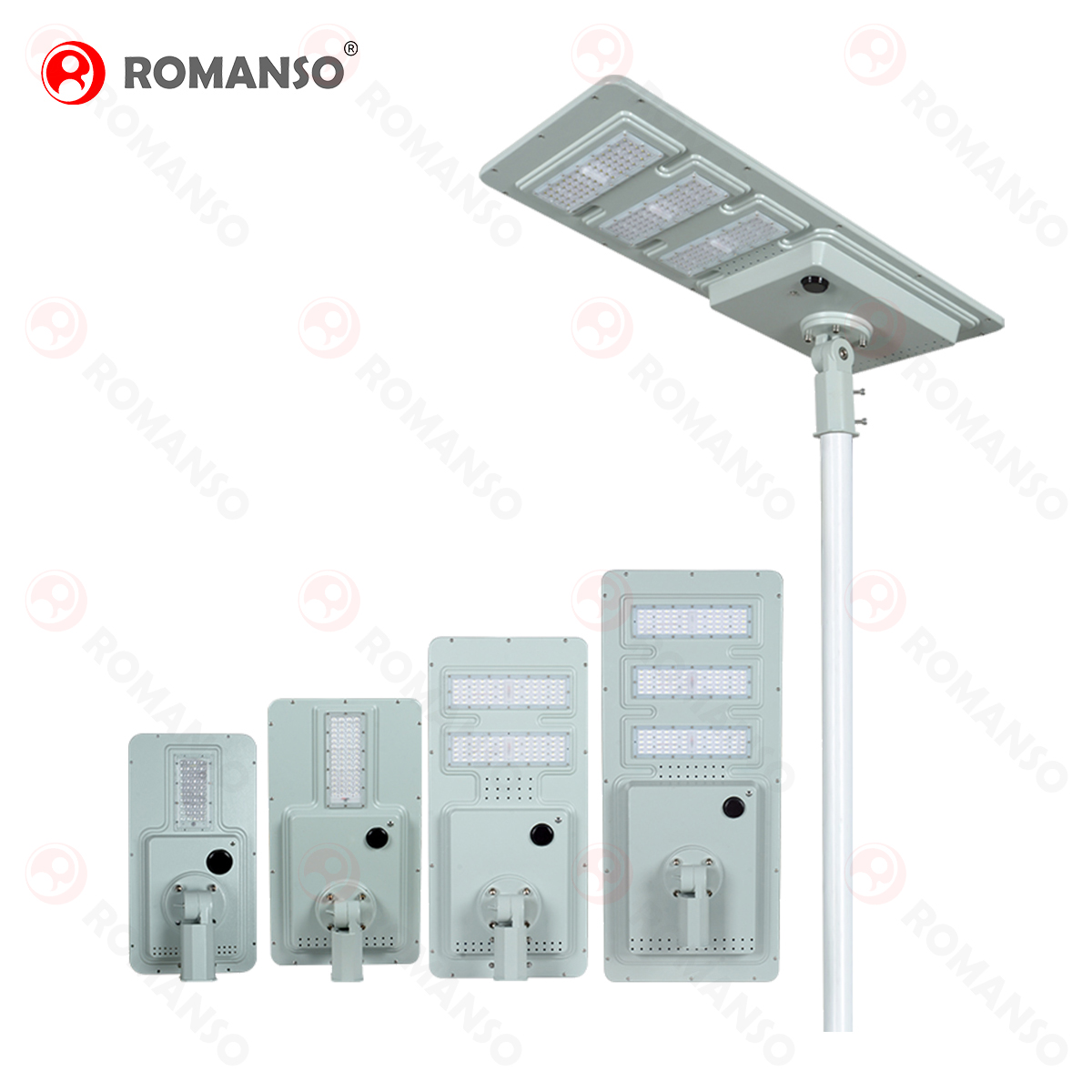
Thermal Management Innovation
Advanced thermal management systems in LED solar street lights help maintain optimal operating temperatures, which is crucial for both energy efficiency and longevity. Heat sinks and innovative cooling designs ensure that the LEDs operate at peak efficiency, preventing energy waste through heat loss and extending the lifetime of the components.
Environmental Impact and Sustainability
Carbon Footprint Reduction
By harnessing solar energy and utilizing efficient LED technology, these lighting systems significantly reduce carbon emissions compared to traditional street lighting. A single LED solar street light can prevent several tons of CO2 emissions over its lifetime, contributing to urban sustainability goals and climate change mitigation efforts.
Resource Conservation Benefits
The long lifespan of LED solar street lights, often exceeding 50,000 hours of operation, means fewer replacement parts and reduced maintenance requirements. This durability not only saves energy but also conserves resources by minimizing the need for replacement materials and maintenance-related transportation.
Economic Advantages and Return on Investment
Installation and Operating Costs
While the initial investment in LED solar street light systems may be higher than traditional options, the elimination of electricity costs and reduced maintenance requirements result in significant long-term savings. Most installations achieve complete return on investment within 3-5 years, after which they continue to provide free illumination powered by solar energy.
Maintenance and Longevity Benefits
The robust design and quality components used in LED solar street lights significantly reduce maintenance requirements and associated costs. The absence of traditional power infrastructure also eliminates the risk of underground cable damage and reduces maintenance complexity, further contributing to cost savings.
Future Developments and Innovations
Integration with Smart City Systems
The next generation of LED solar street lights will feature enhanced connectivity, allowing integration with smart city networks. These advanced systems will optimize energy usage through real-time monitoring and adaptive control, while providing valuable data for urban planning and management.
Technological Advancements
Ongoing developments in solar panel efficiency, battery technology, and LED performance continue to improve the capabilities of solar street lighting systems. New materials and manufacturing processes are expected to further reduce costs while increasing energy efficiency and reliability.
Frequently Asked Questions
How long do LED solar street lights typically last?
LED solar street lights are designed to last 50,000 to 100,000 hours of operation, which translates to approximately 12-25 years of regular use. The solar panels typically have a 25-year warranty, while batteries usually need replacement every 5-8 years, depending on usage patterns and environmental conditions.
Can LED solar street lights function effectively in areas with limited sunlight?
Modern LED solar street lights are equipped with high-efficiency solar panels and advanced battery systems that can store enough energy to function even during several days of cloudy weather. The systems are designed with local climate conditions in mind, and panel sizing is adjusted accordingly to ensure reliable operation throughout the year.
What maintenance is required for LED solar street lights?
Maintenance requirements are minimal and typically include periodic cleaning of the solar panels to maintain optimal efficiency, occasional inspection of the battery system, and checking the LED fixture for any signs of damage. Most systems are designed to be largely maintenance-free, with major component replacement only necessary after many years of operation.


