
 EN
EN
 AR
AR
 BG
BG
 HR
HR
 CS
CS
 DA
DA
 NL
NL
 FI
FI
 FR
FR
 DE
DE
 EL
EL
 HI
HI
 IT
IT
 JA
JA
 KO
KO
 NO
NO
 PL
PL
 PT
PT
 RO
RO
 RU
RU
 ES
ES
 SV
SV
 CA
CA
 TL
TL
 IW
IW
 ID
ID
 LV
LV
 LT
LT
 SK
SK
 SL
SL
 UK
UK
 ET
ET
 GL
GL
 HU
HU
 MT
MT
 TH
TH
 TR
TR
 FA
FA
 MS
MS
 GA
GA
How to Install LED Linear High Bay Light Efficiently
2025
Essential Guide to LED Linear High Bay Light Installation
Installing LED linear high bay lights requires careful planning and precise execution to ensure optimal illumination and energy efficiency. Whether you're upgrading your warehouse, manufacturing facility, or commercial space, proper installation of LED linear high bay lights can significantly impact your operational efficiency and energy costs. This comprehensive guide will walk you through the essential steps, considerations, and best practices for a successful installation process.
Pre-Installation Planning and Preparation
Site Assessment and Layout Design
Before beginning the installation of LED linear high bay lights, conducting a thorough site assessment is crucial. This involves measuring the ceiling height, evaluating the existing electrical infrastructure, and determining optimal light placement. Consider factors such as the building's architecture, potential obstacles, and specific lighting requirements for different work areas. Creating a detailed layout plan helps ensure uniform light distribution and prevents shadows or dark spots.
Professional installers typically use lighting design software to calculate the ideal number and spacing of LED linear high bay lights needed. This analysis takes into account factors such as ceiling height, desired light levels (measured in foot-candles or lux), and the specific tasks performed in different areas. The goal is to achieve consistent illumination while maximizing energy efficiency.
Safety Considerations and Equipment Preparation
Safety should always be the top priority when installing LED linear high bay lights. Ensure you have all necessary safety equipment, including proper ladders or lifts, personal protective equipment (PPE), and appropriate tools. The installation team should be trained in working at heights and familiar with local electrical codes and regulations.
Before installation begins, gather all required materials and tools. This typically includes mounting hardware, wiring components, voltage testers, and any necessary adapters or connectors. Having everything readily available helps streamline the installation process and prevents unnecessary delays.
Installation Process and Techniques
Mounting System Setup
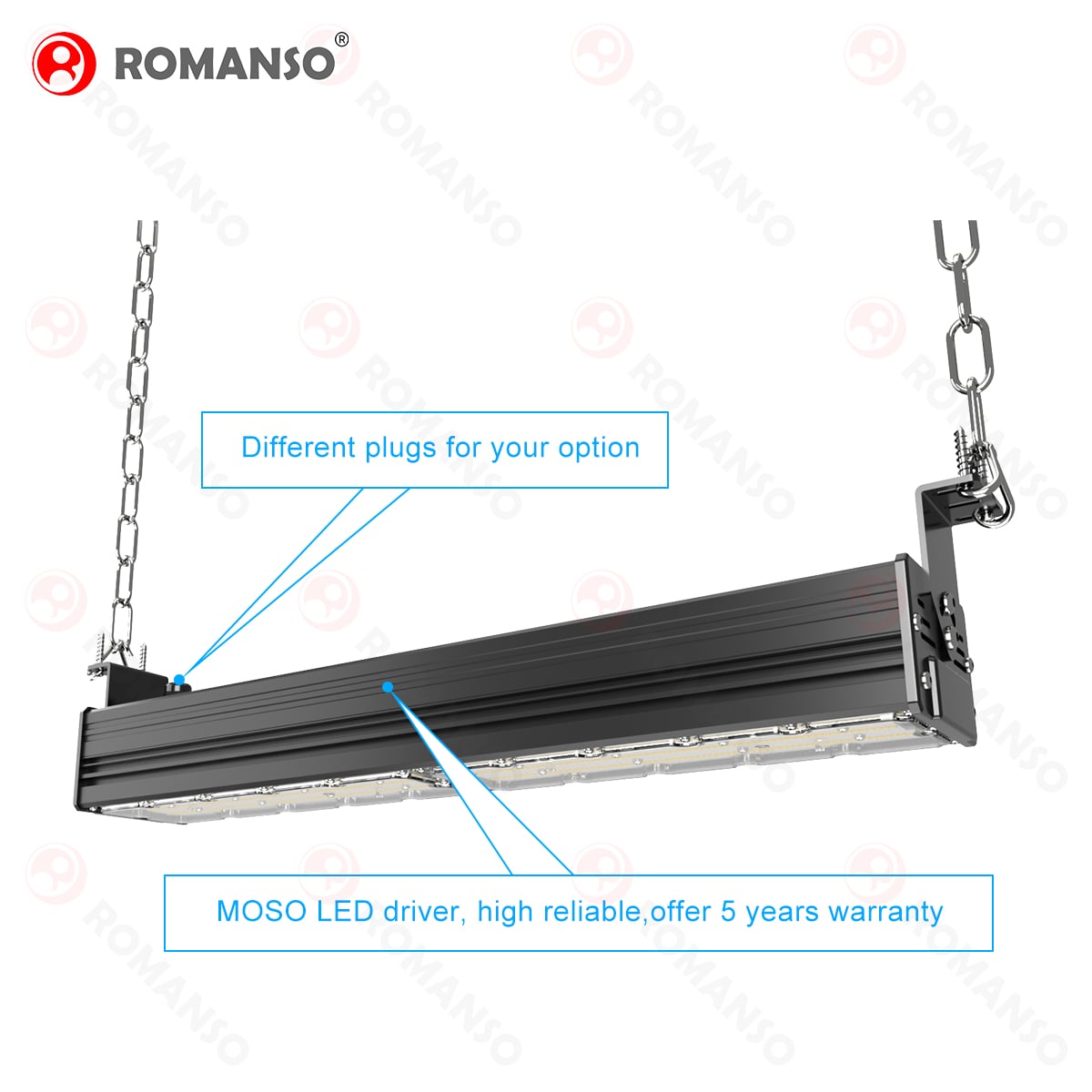
The success of LED linear high bay light installation largely depends on the proper setup of the mounting system. Most LED linear high bay lights come with various mounting options, including chain-mounting, surface-mounting, or suspension systems. Select the most appropriate method based on your ceiling structure and height requirements.
For chain-mounting, ensure the anchor points are secure and can support the fixture's weight plus a safety factor. When using suspension systems, verify that the cables or rods are properly tensioned and level. Surface-mounting requires careful attention to the ceiling material and may need additional support structures.
Electrical Connection and Wiring
Proper electrical connection is critical for the safe and efficient operation of LED linear high bay lights. Begin by verifying that the power is completely shut off to the installation area. Install any necessary junction boxes or conduit systems according to local electrical codes. When connecting the fixtures, pay careful attention to proper grounding and polarity.
Many modern LED linear high bay lights feature quick-connect systems that simplify the wiring process. However, it's essential to double-check all connections and ensure proper wire gauge selection based on the power requirements. Consider installing surge protection devices to safeguard your lighting investment against power fluctuations.
Advanced Features and Controls Integration
Smart Control System Setup
Modern LED linear high bay lights often come with smart control capabilities that can significantly enhance their functionality. These may include motion sensors, daylight harvesting systems, or integration with building management systems. When installing these features, careful placement of sensors and proper programming are essential for optimal performance.
Consider implementing zone control capabilities, which allow different areas to be controlled independently based on occupancy or specific lighting needs. This can lead to substantial energy savings and improved operational efficiency. Ensure all control systems are properly calibrated and tested during the installation process.
Performance Testing and Optimization
After installing LED linear high bay lights, thorough testing is crucial to ensure proper operation. This includes verifying light levels across the space, checking for any flickering or inconsistencies, and confirming that all control features work as intended. Use a light meter to measure illumination levels and make any necessary adjustments to fixture positioning or control settings.
Document all settings and configurations for future reference, and provide training to facility personnel on the operation and maintenance of the new lighting system. This helps ensure long-term success and optimal performance of your LED linear high bay light installation.
Maintenance and Troubleshooting Guidelines
Preventive Maintenance Procedures
While LED linear high bay lights are known for their longevity and reliability, regular maintenance is still important. Establish a maintenance schedule that includes periodic cleaning of fixtures, inspection of mounting hardware, and verification of electrical connections. This helps prevent potential issues and ensures consistent performance over time.
Keep detailed records of maintenance activities and any observed changes in performance. This information can be valuable for identifying patterns or potential problems before they become serious issues. Regular monitoring of energy consumption can also help detect any efficiency decreases that might indicate maintenance needs.
Common Issues and Solutions
Understanding common problems and their solutions can help maintain optimal performance of LED linear high bay lights. Issues might include uneven light distribution, fixture flickering, or control system malfunctions. Having a troubleshooting guide and maintaining spare parts inventory can help address problems quickly and minimize disruption to operations.
Build relationships with reliable suppliers and maintenance contractors who can provide expert support when needed. This ensures quick resolution of any technical issues that may arise during the lifetime of your LED linear high bay light installation.
Frequently Asked Questions
What is the optimal mounting height for LED linear high bay lights?
The optimal mounting height typically ranges from 20 to 45 feet, depending on the specific fixture's output and the application requirements. Factors to consider include the desired light levels, fixture beam angle, and the nature of tasks being performed in the space.
How can I determine the right number of LED linear high bay lights needed for my space?
Calculate the required number of fixtures by considering the total square footage, desired foot-candles, fixture lumens, and mounting height. Professional lighting designers use specialized software to ensure proper coverage and uniformity while accounting for specific application needs.
What are the key maintenance requirements for LED linear high bay lights?
Regular maintenance includes cleaning fixtures to remove dust and debris, checking electrical connections, inspecting mounting hardware, and verifying control system operation. While LEDs require less maintenance than traditional lighting, periodic inspection helps ensure optimal performance and longevity.


