
 EN
EN
 AR
AR
 BG
BG HR
HR
 CS
CS
 DA
DA
 NL
NL
 FI
FI FR
FR
 DE
DE EL
EL
 HI
HI
 IT
IT JA
JA
 KO
KO
 NO
NO PL
PL PT
PT RO
RO
 RU
RU
 ES
ES
 SV
SV
 CA
CA TL
TL
 IW
IW
 ID
ID
 LV
LV
 LT
LT
 SK
SK
 SL
SL
 UK
UK ET
ET
 GL
GL
 HU
HU
 MT
MT
 TH
TH
 TR
TR
 FA
FA
 MS
MS
 GA
GA
איך תאורת LED תעשייתית לקויה משפיעה על הבטיחות ועל יעילות זרימת העבודה?
2026
מתקני ייצור, מחסנים ומורכבים תעשייתיים מסתמכים במידה רבה על תאורה מתאימה כדי לשמור על מצוינות תפעולית ובטיחות העובדים. כאשר מערכות התאורה התעשיתיות של LED לא עומדות בדרישות הביצועים, השלכותיהן נגיפות בכל היבט של פעילות המתקן. תנאי תאורה לקויים יוצרים סביבות מסוכנות שפוגעות הן בבטיחות האנושית והן במדדי היעילות, ובסופו של דבר משפיעות על הרווחיות של הפעולות התעשייתיות.
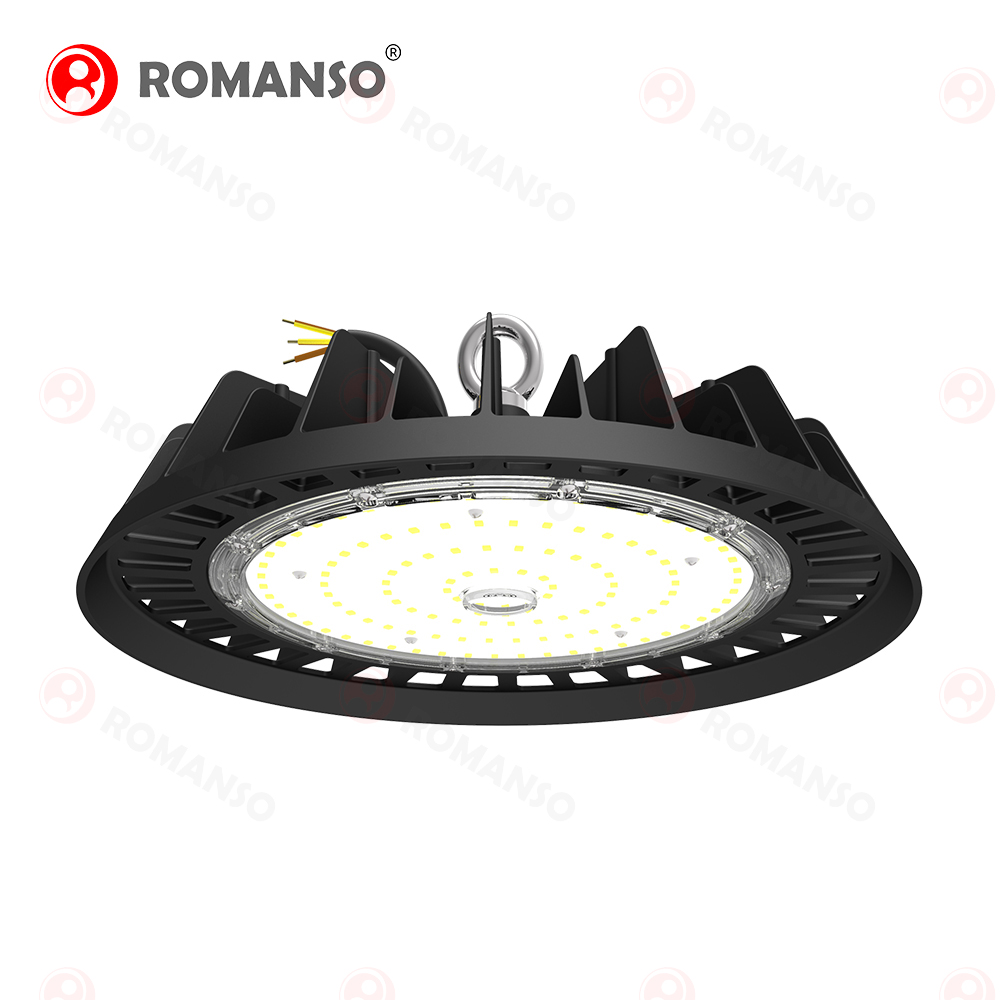
סביבות תעשייתיות דורשות פתרונות תאורה עמידים שיכולים לשרוד תנאים קשים תוך כדי ספק ביצועים עקביים. איכות תאורת ה-LED לתעשייה משפיעה ישירות על שיעורי התאונות, יעילות הייצור והעלויות التشغיליות הכוללות. הבנת ההשפעות הללו עוזרת למנהלי מתקנים לקבל החלטות מושכלות בנוגע להשקעות בתשתית התאורה שלהם.
סיכונים לביטחון הנגרמים מתאורה תעשייתית בלתי מספקת
עלייה בשיעורי התאונות ופציעות לעובדים
תאורת LED תעשייתית בלתי מספקת יוצרת מקומות עיוורים מסוכנים בכל רחבי מדורי היצרנות ואיזורי המחסנים. לעובדים שמנווטים במרחבים חסרי תאורה נאותה יש סיכון גבוה יותר לבלימות, נפילות ותאונות, במיוחד סביב מכונות, פלטפורמות מרוממות ואיזורי אחסון. תאונות אלו לא רק גורמות לתביעות פיצוי לעובדים, אלא גם מפרעות ללוחות הזמנים של הייצור ויוצרות חששות באשר לאי-תפקוד של המפעילים.
סטטיסטיקות של ארגוני בטיחות תעסוקתית מראות באופן עקבי שתאורה לא מספקת תורמת לכשלושים אחוז מתאונות העבודה בסביבות תעשייתיות. כאשר תאורת LED תעשייתית אינה מספקת תאורה אחידה, עובדים מתקשים לזהות סכנות פוטנציאליות כגון רצפות רטובות, ציוד בולט או דליפות חומרים. ראות מופחתת זו מגדילה משמעותית את הסבירות לפציעות חמורות שניתן היה למנוע באמצעות תכנון תאורה נכון.
סיכונים בתפעול הציוד ובבטיחות המכונות
תנאי תאורה לקויים פוגעים בפעילות הבטוחה של מכונות כבדות וציוד מדויק הנפוץ במתקנים תעשייתיים. מפעילים העובדים בתאורת LED תעשייתית בלתי מספקת אינם מסוגלים להעריך באופן מדויק את מצב המכונה, לזהות מדדי אזהרה או לבצע משימות תחזוקה שגרתיות בבטחה. מגבלה זו בראיות מביאה לתחלופת תקלות בציוד, לנהלים לא נכונים בטיפול בציוד ולתקלות קטסטרופליות אפשריות.
תהליכים ייצור מורכבים דורשים מעקב חזותי מדויק כדי להבטיח בקרת איכות והיענות לדרישות הבטיחות. כאשר מערכות התאורה אינן מספקות תאורה מספקת, המפעילים עלולים לפספס רמזים חזותיים קריטיים המצביעים על בעיות בציוד או על הפרות בטיחות. נזקי הציוד והתאונות הבטיחותיות שנובעים מכך יוצרים הוצאות משמעותיות שמעל בהרבה את ההשקעה הנדרשת לפתרונות תאורת LED תעשייתית מתאימים.
השפעות של מערכות תאורה לקויות על יעילות זרימת העבודה
הפחתת היצרתיות וביצוע המשימות
תאורת LED תעשיתית באיכות נמוכה משפיעה ישירות על הפקודתיות של העובדים על ידי יצירת מתח بصري ועייפות שפוגעים ביעילות ביצוע המשימות. לעובדים הפועלים בסביבות תאורה לקויה נדרשת זמן רב יותר להשלמת משימות שגרתיות, הם עושים טעויות רבות יותר ומעוררים ירידה ברמת הריכוז. ירידה זו בפקודתיות מתורגמת לאובדים מדידים בקיבולת הייצור ובעלות עבודה גבוהה יותר ליחידה מיוצרת.
מחקרים שנערכו בסביבות תעשיות מראים שתאורה מתאימה יכולה לשפר את הפקודתיות עד עשרים ושלושה אחוזים בהשוואה לתנאי תאורה לקויים. עובדים הפועלים בתאורת LED תעשיתית אופטימלית מפגינים קצב מהיר יותר בביצוע משימות, דיוק משופר בעבודה מפורטת והנאה כללית רבה יותר מעבודתם. שיפור זה בפקודתיות מצטבר עם הזמן ויוצר יתרונות תחרותיים משמעותיים עבור מתקנים המשקיעים בתשתיות תאורה איכותיות.
אתגרים בבקרת האיכות ובביצוע בדיקות
תהליכי בקרת האיכות בייצור תלויים במידה רבה ביכולות הבדיקה החזותית שדורשות תאורה עקבייה ואיכותית. תאורת LED תעשייתית לקויה מקשה על אנשי בקרת האיכות לזהות פגמים, למדוד סיבולת או לאשר את مواדי המוצרים באופן מדויק. יכולת הבדיקה הפגומה הזו גורמת לעלייה בשיעור הפגמים, תלונות לקוחות וסיכון להוצאת מוצרים מהשוק.
תעשייה מדויקת כגון ייצור אלקטרוניקה, ייצור תרופות והרכבת רכב דורשת איכות תאורה יוצאת דופן למשימות ביקורת קריטיות. כאשר מערכות התאורה אינן מספקות צירוף צבעים מתאים או הפצה אחידה, המבקרים אינם מסוגלים לזהות באופן אמין פגמים עדינים או סטיות שמשפיעות על איכות המוצר. בעיות האיכות הנובעות מזה פוגעות במוניטין של המותג ויוצרות מאמצים יקרים לתיקון שיכלו להיות מנוטרלים באמצעות תכנון תאורה תקין.
ההשלכות הכלכליות של תשתיות תאורה בלתי מספקות
העלאת עלויות הפעלה ובלאי אנרגיה
מערכות תאורה תעשיתיות LED שתוכננו בצורה לקויה נוטות לצרוך כמות מופרזת של אנרגיה תוך כדי שהן מספקות ביצועים תת-אופטימליים, מה שיוצר הוצאות تشغיליות מיותרות. תכנונים לא יעילים של מערכות תאורה דורשים התקנת פנסי תאורה בעלי הספק גבוה יותר כדי לפצות על הפצת האור הלקויה, מה שמוביל לעלייה בהוצאות החשמל ולצמצום משך החיים של המערכת. אי-יעילויות אלו מתעצמות במרחבים תעשייתיים גדולים ויוצרות הוצאות מיותרות משמעותיות.
עיצובים מודרניים תאורה תעשייתית עם LED פתרונות אלו מציעים חיסכון משמעותי באנרגיה בהשוואה לטכנולוגיות תאורה מסורתיות, אך רק כאשר הם מתוכננים ויושמים כראוי. מתקנים שמבזבזים על איכות התאורה לרוב חווים עלויות תחזוקה גבוהות יותר, צורך בתחליפים שכיח יותר וצריכת אנרגיה מוגברת שמבטלת כל חיסכון ראשוני שנבע מפתרונות תאורה זולים יותר.
השלכות ביטוח ו אחריות
ספקי ביטוח מזהים את הקשר בין תאורה לקויה לבין עלייה בשיעור התאונות, ובעתים קובעים את שיעורי הפרמיה בהתאם לאיכות התאורה במתקנים ולרשומות הבטיחות שלהם. תאורת LED תעשייתית לקויה עלולה להוביל לעלייה בהוצאות הביטוח, לעלייה בפרמיות עצמאיות ולגבלות פוטנציאליות על ההישגיות, אשר משפיעות על אסטרטגיות ניהול הסיכונים בכלל.
גם נושאי אחריות משפטית עולגים כאשר תאורה לקויה תורמת לתאונות במקום העבודה או לאי עמידה בדרישות בטיחות. סוכנויות רגולטוריות עלולות להטיל קנסות או עונשים על מתקנים שלא שומרים על תקנים מתאימים לתאורה, בעוד עובד שנפגע עלול לבקש פעילות משפטית תוך טענה של אי שמירה על תנאי בטיחות negligent. סיכונים משפטיים ורגולטוריים אלו יוצרים חשיפה כספית נוספת, которую ניתן למזער באמצעות תשתיות תאורה מתאימות.
השפעות על הבריאות וההשתכרות של עובדים תעשייתיים
עייפות העיניים ובעיות הקשורות לחישה
חשיפה כרונית לתנאי תאורה תעשייתית נמוכה של LED יוצרת השפעות בריאותיות משמעותיות על עובדים Spending זמן רב בסביבות תעשייתיות. תאורה בלתי מספקת מכריחה את העובדים ללחוץ על עיניהם, מה שמוביל לשיעולים, עייפות ובעיות ראייה ארוכות טווח המשפיעות הן על ביצועי העבודה והן על איכות החיים. בעיות בריאותיות אלו תורמות להגבהה של שיעורי ההיעדרות ועלויות הבריאות הגבוהות יותר.
תאורה נוצצת או לא עקיבה יוצרת דחק נוסף על מערכת הראייה, וגורמת לעייפות עיניים שמתערבת לאורך משימות העבודה. עובדים שנחשפים לתנאי תאורה נחותים מדווחים על שיעורים גבוהים יותר של שיעולים, קושי בריכוז ותסכול כללי שפוגע בהנאה מעבודה ומעלה את שיעורי הסיבוב. תכנון תקין של תאורת LED תעשייתית פותר את הבעיות הללו על ידי ספק תאורה יציבה ואחדנית שתומכת בריאותם ונוחותם של העובדים.
הפרעה לリ듬 הצירכי ולאיכות השינה
איכות האור הנמוכה בסביבות תעשייתיות יכולה לשבש את ritmim הביולוגיים הטבעיים של העובדים, במיוחד במהלך עבודה בשעות ניווט או שעות עבודה ממושכות. תאורת LED תעשייתית לא מספקת את טווח הספקטרום והעוצמה הנדרשים כדי לשמור על מחזורי שינה-ערנות בריאים, מה שמוביל להפרעות שינה וירידה ברמת ההקשבה במהלך שעות העבודה.
עקרונות העיצוב המודרניים לתאורה מודים בחשיבות התאורה הביולוגית (Circadian Lighting) לשמירה על בריאות וביצועי העובדים. מערכות תאורת LED תעשייתית איכותיות יכולות להיות מתוכנתות כדי להתאים את טמפרטורת הצבע ואת העוצמה לאורך משימות העבודה, לתמוך ב ritmim הביולוגיים הטבעיים ולשפר את הרווחה הכוללת של העובדים. תשומת לב זו לאיכות התאורה מדגימה את מחויבות המעסיק לבריאות העובדים, תוך שיפור תוצאות הפעילות التشغילית.
פתרונות ומנהגים מומלצים לצורך אופטימיזציה של תאורת תעשיה
אבחון ועיצוב מקצועי של תאורה
התמודדות עם תאורה לא מספקת דורשת הערכה מקיפה של התנאים הנוכחיים ועיצוב מקצועי של מערכות תאורה תעשייתיות LED מותאמות. מהנדסי תאורה יכולים להעריך את ההתקנות הקיימות, לזהות חסרונות ולפתח פתרונות המקיימים הן את דרישות הבטיחות והן את הצרכים הפעליים. גישה מקצועית זו מבטיחה שהשקעות בתאורה יספקו ערך ותפקוד מרביים.
עיצוב תאורה תקין לוקח בחשבון גורמים כגון דרישות המשימה, גובה התקרה, מיקום הציוד ונגישות לתיקון ותחזוקה בעת קביעת פתרונות תאורה תעשייתית LED. מעצבים מקצועיים משתמשים בניתוח פוטומטרי ובמודלים ממוחשבים כדי למקסם את הפיזור של האור, להיפטר מצללים ולשפר את האחידות של התאורה בכל אזור העבודה. גישה שיטתית זו מונעת בעיות הקשורות לתאורה לא מספקת תוך מקסימיזציה של יעילות האנרגיה.
שילוב טכנולוגיה ובקרות חכמות
מערכות תאורה תעשייתיות מתקדמות מבוססות LED כוללות בקרות חכמות וחיישנים שמכווננים אוטומטית את עוצמת התאורה בהתאם לנוכחות, זמינות האור הטבעי ודרישות המשימה הספציפית. מערכות חכמות אלו מאופטמות את צריכת האנרגיה תוך שימור איכות תאורה עקבי, מה שמביא ליצירת עלויות תפעול נמוכות יותר ושיפור שביעות רצון העובדים.
השילוב עם מערכות ניהול מבנים מאפשר למנהלי המתקנים לעקוב אחר ביצועי התאורה, לרשום את צריכת האנרגיה ולזהות צרכים לתיקון או תחזוקה עוד לפני שהבעיה משפיעה על הפעילות. פלטפורמות תאורה תעשייתיות חכמות מבוססות LED מספקות ניתוחים מפורטים שמאפשרים קבלת החלטות מושכלות ושיפור מתמיד בכفاءה ובאפקטיביות של התאורה.
שאלות נפוצות
איך תאורה תעשייתית לקויה משפיעה על בטיחות העובדים בסביבות ייצור?
תאורת LED תעשייתית לקויה מגדילה באופן משמעותי את שיעורי התאונות במקום העבודה על ידי יצירת בעיות ראייה שמונעות מהעובדים לזהות סיכונים, להפעיל מכונות בבטחה או לנווט באזורים העבודה ביעילות. תאורה לא מספקת תורמת לכ־שלושים אחוז מתאונות workplaces התעשייתיים, כולל החלקות, נפילות ופציעות הקשורות לציוד, אשר ניתן למנוען באמצעות תאורה מתאימה.
אילו שיפורים בתפוקה ניתן לצפות מהם כתוצאה משדרוג מערכות התאורה התעשייתיות?
מחקרים מראים שתאורת LED תעשייתית מתאימה יכולה לשפר את תפוקת העובדים עד עשרים ושלושה אחוז בהשוואה לתנאי תאורה לקויים. עובדים חווים קצב השלמת משימות מהיר יותר, דיוק משופר, ירידה בשגיאות ורמת ריכוז משופרת כאשר הם עובדים בתנאי תאורה אופטימליים, מה שמוביל לשיפורים מדידים ביעילות הפעולה.
איך חברות הביטוח מעריכות את איכות התאורה התעשייתית לצורך חישוב פרמיות?
ספקים של ביטוח מעריכים את איכות תאורת ה־LED התעשייתית כחלק מהערכה כללית של הסיכון facility, תוך הכרה בקשר בין תאורה מספקת לבין ירידה בשיעור התאונות. מתקנים עם תאורה לקויה עלולים להתמודד עם פרמיות ביטוח גבוהות יותר, דדוקטיבלים גדולים יותר וגבילים אפשריים על ההגנה, בעוד שמתקנים עם מערכות תאורה מתאימות לרוב זכאים להנחות הקשורות לבטיחות ותנאי הגנה משופרים.
מהן ההשפעות הבריאותיות ארוכות הטווח של עבודה בסביבות תעשייתיות בעלות תאורה לקויה?
חשיפה ממושכת לתאורת LED תעשייתית בלתי מספקת עלולה לגרום למתח עיניים כרוני, כאבי ראש, עייפות ובעיות ראייה המשפיעות על הבריאות והביצועים של העובדים. תאורה לקויה גם מפריעה לרhythmus הקירבי, מה שגורם להפרעות בשינה ולחוסר תודעה מוגבר, במיוחד בקרב עובדים המשרתים במשמרות. השפעות בריאותיות אלו תורמות לעלייה באחוזי החיסול, לעלייה בהוצאות הבריאות ולירידה באישור העבודה בקרב עובדים תעשייתיים.


