
 EN
EN
 AR
AR
 BG
BG
 HR
HR
 CS
CS
 DA
DA
 NL
NL
 FI
FI
 FR
FR
 DE
DE
 EL
EL
 HI
HI
 IT
IT
 JA
JA
 KO
KO
 NO
NO
 PL
PL
 PT
PT
 RO
RO
 RU
RU
 ES
ES
 SV
SV
 CA
CA
 TL
TL
 IW
IW
 ID
ID
 LV
LV
 LT
LT
 SK
SK
 SL
SL
 UK
UK
 ET
ET
 GL
GL
 HU
HU
 MT
MT
 TH
TH
 TR
TR
 FA
FA
 MS
MS
 GA
GA
How Can LED Industrial Lighting Reduce Maintenance Pressure in Large Facilities?
2026
Modern industrial facilities face unprecedented challenges in maintaining efficient operations while controlling overhead costs. Among the most significant ongoing expenses that facility managers encounter is the maintenance burden associated with traditional lighting systems. LED industrial lighting has emerged as a transformative solution that dramatically reduces maintenance pressure while delivering superior performance across diverse manufacturing and warehouse environments. The transition from conventional lighting technologies to advanced LED systems represents more than just an upgrade—it fundamentally reshapes how facilities approach long-term operational sustainability.
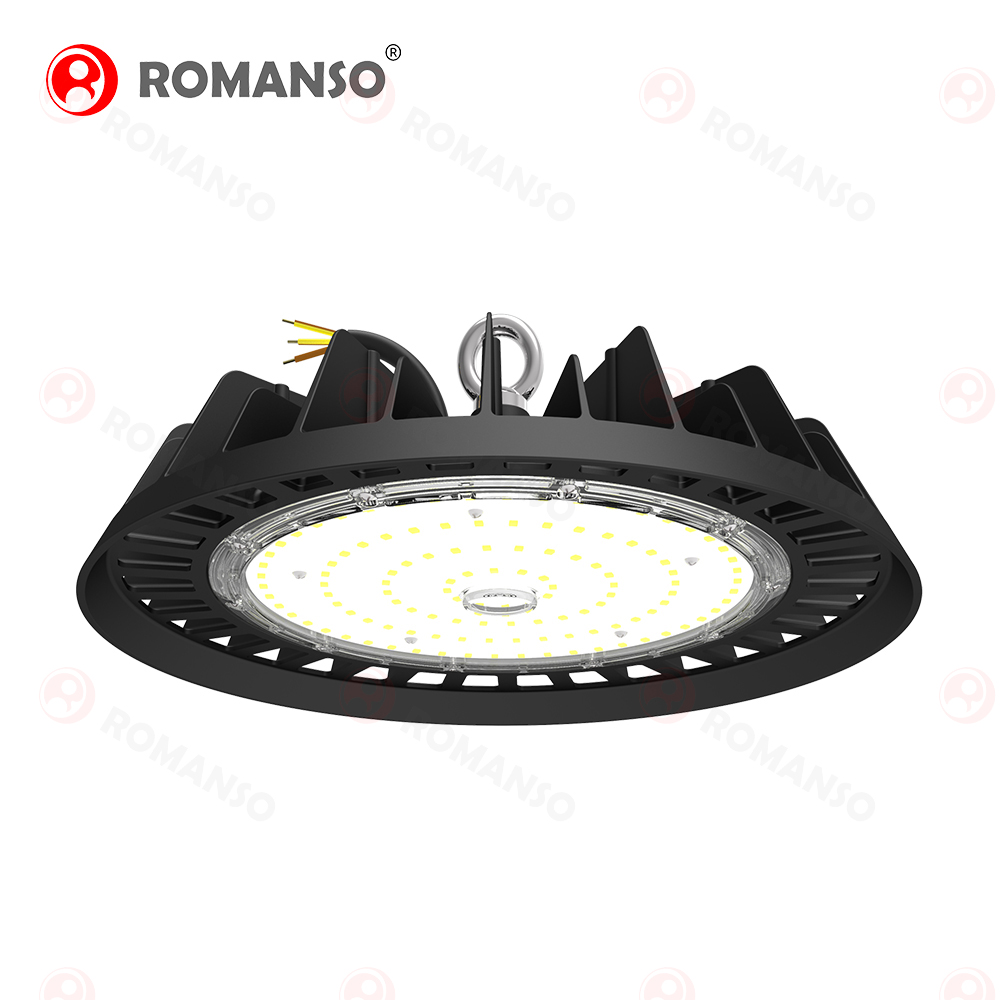
The economic impact of lighting maintenance extends far beyond simple bulb replacement costs. Traditional lighting systems require frequent attention from maintenance teams, disrupting production schedules and consuming valuable labor resources. When facilities implement LED industrial lighting solutions, they experience immediate relief from these recurring operational burdens. The extended lifespan characteristics of LED technology create substantial cost savings that compound over time, making this upgrade one of the most financially sound decisions facility managers can make.
Understanding Traditional Lighting Maintenance Challenges
Frequent Replacement Cycles
Conventional lighting systems, particularly metal halide and fluorescent fixtures, typically require replacement every 6,000 to 15,000 operating hours. In facilities operating multiple shifts, this translates to replacement cycles occurring several times per year. Each replacement event involves not only the cost of new bulbs but also the labor expense of maintenance personnel, equipment rental for accessing high-mounted fixtures, and potential production downtime. The cumulative effect of these frequent interventions creates a substantial ongoing financial burden that many facility managers underestimate when calculating total operational costs.
The unpredictable nature of traditional bulb failures compounds maintenance challenges significantly. Unlike LED industrial lighting systems that experience gradual degradation, conventional bulbs often fail suddenly and without warning. This unpredictability forces maintenance teams to maintain extensive inventory stockpiles and remain constantly prepared for emergency replacements. The resulting reactive maintenance approach consumes resources inefficiently and creates unnecessary stress on maintenance personnel who must respond to lighting failures during critical operational periods.
Complex Installation Requirements
Traditional lighting systems often require complex ballast systems, extensive wiring modifications, and specialized installation procedures that increase both initial installation costs and ongoing maintenance complexity. When components fail, technicians must diagnose multiple potential failure points including ballasts, starters, and the lighting elements themselves. This diagnostic complexity extends repair time and requires higher skill levels from maintenance personnel, increasing labor costs and potentially causing extended periods of inadequate lighting in critical work areas.
The interconnected nature of traditional lighting components means that single-point failures can affect multiple fixtures simultaneously. When ballasts fail, they may impact entire circuits or zones within a facility, creating widespread lighting outages that significantly disrupt operations. LED industrial lighting eliminates these cascading failure scenarios by utilizing individual driver systems that isolate potential failures to single fixtures, maintaining operational lighting throughout the facility even when individual components require attention.
LED Technology Advantages in Industrial Applications
Extended Operational Lifespan
The most compelling advantage of LED industrial lighting lies in its exceptional operational lifespan, typically ranging from 50,000 to 100,000 hours of continuous operation. This represents a five to ten-fold improvement over traditional lighting technologies, fundamentally changing the maintenance equation for industrial facilities. When facilities operate continuously, this extended lifespan can translate to five to ten years of maintenance-free operation, eliminating the recurring costs and disruptions associated with frequent bulb replacements.
The consistent light output degradation curve of LED technology provides predictable performance characteristics that enable proactive maintenance planning. Unlike conventional bulbs that experience sudden failure, LED industrial lighting systems gradually decrease in brightness over their operational lifespan. This predictable degradation pattern allows facility managers to plan replacement schedules during planned maintenance windows, eliminating emergency repairs and optimizing maintenance resource allocation.
Reduced Heat Generation
Traditional lighting systems generate substantial heat during operation, contributing to elevated ambient temperatures that stress both the lighting components themselves and surrounding facility infrastructure. This heat generation accelerates component degradation and increases cooling costs throughout industrial facilities. LED industrial lighting produces minimal heat output, reducing thermal stress on both the lighting systems and facility HVAC equipment. The lower operating temperatures extend component lifespan and reduce the cooling burden on facility systems, creating additional operational savings.
The reduced heat signature of LED systems also minimizes thermal expansion and contraction cycles that contribute to fixture degradation over time. Traditional lighting fixtures experience repeated thermal cycling that loosens connections, degrades seals, and accelerates wear on mounting hardware. By operating at consistently lower temperatures, LED industrial lighting maintains stable mounting and connection integrity throughout its extended operational lifespan.
Maintenance Cost Analysis and Savings
Labor Cost Reduction
The extended maintenance intervals associated with LED industrial lighting create substantial labor cost savings that often exceed the energy efficiency benefits. Maintenance personnel can redirect their attention from routine lighting replacement tasks to more value-added activities that improve overall facility performance. The reduced frequency of lighting maintenance interventions also minimizes the need for specialized equipment rental, such as aerial lifts and scaffolding systems required to access high-mounted fixtures.
Emergency lighting repairs, which often occur during premium labor rate periods including nights, weekends, and holidays, become virtually eliminated with LED technology implementation. The predictable performance characteristics of LED industrial lighting systems allow maintenance teams to schedule replacement activities during regular business hours, avoiding overtime costs and reducing the stress associated with reactive maintenance responses.
Inventory Management Optimization
Traditional lighting maintenance requires extensive spare parts inventory including various bulb types, ballasts, starters, and related components. This inventory investment ties up capital and requires dedicated storage space within facility operations. LED industrial lighting systems simplify inventory requirements dramatically, requiring minimal spare component storage and reducing overall inventory carrying costs.
The standardization possible with LED technology allows facilities to consolidate their lighting inventory around fewer component types and specifications. This consolidation reduces procurement complexity, enables volume purchase discounts, and minimizes the risk of obsolete inventory accumulation. The longer replacement cycles also reduce the frequency of procurement activities, allowing purchasing departments to negotiate better terms and focus on strategic sourcing initiatives.
Operational Impact and Production Continuity
Minimized Production Disruptions
Lighting maintenance activities in industrial facilities often require production line shutdowns or operational modifications to ensure worker safety during fixture access and replacement procedures. The extended maintenance intervals of LED industrial lighting systems minimize these production disruptions, allowing manufacturing operations to maintain consistent output schedules. The reduced frequency of maintenance interventions also decreases the cumulative risk of safety incidents associated with elevated work activities in active production environments.
The reliable performance characteristics of LED technology reduce the likelihood of unexpected lighting failures that can trigger emergency production stoppages. Manufacturing processes that depend on consistent illumination levels maintain optimal performance when supported by LED industrial lighting systems that deliver stable light output throughout their operational lifespan. This reliability contributes to improved product quality consistency and reduced waste generation associated with lighting-related production interruptions.
Enhanced Safety Performance
Consistent illumination levels throughout industrial facilities support improved safety performance by maintaining optimal visibility for workers and automated systems. The gradual degradation characteristics of LED industrial lighting prevent the sudden darkness events that can create immediate safety hazards in industrial environments. Workers maintain consistent visual acuity throughout their shifts, reducing the risk of accidents and injuries associated with inadequate lighting conditions.
The reduced maintenance frequency associated with LED systems also decreases worker exposure to elevated work risks during fixture replacement activities. Maintenance personnel spend less time working at heights and in proximity to production equipment, reducing the cumulative safety risk associated with lighting system maintenance. This safety improvement contributes to better workers compensation insurance rates and reduces the indirect costs associated with workplace incidents.
Environmental and Sustainability Benefits
Waste Reduction Impact
The extended operational lifespan of LED industrial lighting systems significantly reduces the volume of lighting-related waste generated by industrial facilities. Traditional lighting systems create substantial waste streams through frequent bulb replacements, ballast failures, and associated packaging materials. LED technology reduces this waste generation by factors of five to ten, supporting corporate sustainability initiatives and reducing waste disposal costs.
The reduced packaging waste associated with fewer replacement events also contributes to improved sustainability metrics. LED industrial lighting systems require minimal replacement packaging throughout their operational lifespan, reducing both the volume of incoming shipments and the waste generation associated with packaging disposal. This waste reduction supports environmental compliance requirements and may contribute to LEED certification points for facility sustainability performance.
Carbon Footprint Considerations
The manufacturing and transportation impacts associated with frequent lighting replacements create substantial carbon footprints that extend beyond direct energy consumption. LED industrial lighting systems reduce these indirect carbon impacts through extended operational lifespans that minimize replacement frequency. The reduced transportation requirements for replacement components and reduced manufacturing demand for replacement units contribute to lower overall environmental impact profiles.
The elimination of ballast systems and associated electronic components also reduces the environmental impact associated with electronic waste disposal. Traditional lighting systems generate substantial electronic waste through ballast replacements and fixture upgrades, while LED industrial lighting systems maintain consistent performance throughout their extended operational lifespans without generating comparable electronic waste streams.
Implementation Strategies for Maximum Impact
Phased Replacement Approaches
Facilities implementing LED industrial lighting upgrades often benefit from phased replacement strategies that spread capital investment over multiple budget cycles while immediately beginning to capture maintenance savings. These phased approaches allow maintenance teams to gain experience with LED technology characteristics while gradually reducing their traditional lighting maintenance burdens. The immediate maintenance relief in upgraded areas demonstrates the benefits of LED technology and builds organizational support for comprehensive facility upgrades.
Strategic prioritization of high-maintenance areas for initial LED industrial lighting implementation maximizes early return on investment by targeting the most problematic lighting zones first. Areas with difficult fixture access, high replacement frequency, or critical production requirements provide the greatest immediate benefit from LED technology implementation. This targeted approach allows facilities to demonstrate clear maintenance reduction benefits while building momentum for comprehensive lighting upgrades.
Integration with Maintenance Management Systems
Modern LED industrial lighting systems can integrate with computerized maintenance management systems to optimize replacement scheduling and performance monitoring. This integration enables predictive maintenance approaches that schedule lighting replacements based on actual performance degradation rather than arbitrary time intervals. The data-driven maintenance scheduling possible with LED technology allows maintenance teams to optimize their resource allocation and minimize both emergency repairs and premature replacements.
The consistent performance characteristics of LED systems also support more accurate maintenance cost forecasting and budget planning. Maintenance managers can predict lighting-related expenses with greater accuracy when supported by LED industrial lighting systems that deliver predictable performance degradation patterns. This predictability supports better capital planning and allows facilities to optimize their maintenance resource allocation across all facility systems.
FAQ
How much can facilities expect to reduce their lighting maintenance costs with LED industrial lighting?
Most industrial facilities experience 60-80% reduction in lighting maintenance costs when transitioning from traditional lighting systems to LED industrial lighting. This reduction includes both labor savings from reduced replacement frequency and material cost savings from extended component lifespans. The actual savings percentage depends on facility operating schedules, fixture accessibility, and existing lighting technology, but virtually all facilities achieve substantial maintenance cost reductions within the first year of LED implementation.
What is the typical payback period for LED industrial lighting upgrades focused on maintenance savings?
Maintenance-focused payback analysis for LED industrial lighting typically ranges from 18 to 36 months, depending on existing lighting maintenance costs and facility operating characteristics. Facilities with high maintenance burden from difficult fixture access or continuous operations often achieve payback periods under 24 months through maintenance savings alone, before considering energy efficiency benefits. The payback calculation should include labor costs, material costs, equipment rental expenses, and production disruption impacts for comprehensive analysis.
How do LED industrial lighting systems handle harsh industrial environments compared to traditional lighting?
LED industrial lighting systems demonstrate superior performance in harsh industrial environments through better vibration resistance, temperature tolerance, and contamination resistance compared to traditional lighting technologies. The solid-state construction of LED systems eliminates fragile filaments and glass components that are vulnerable to industrial environment stresses. Most industrial-grade LED fixtures include specialized housings and sealing systems designed specifically for manufacturing, warehouse, and processing environments.
What maintenance practices are still required for LED industrial lighting systems?
LED industrial lighting systems require minimal maintenance beyond periodic cleaning of fixture lenses and inspection of mounting hardware integrity. Unlike traditional lighting that requires frequent bulb and ballast replacements, LED systems maintain consistent performance throughout their operational lifespan with only occasional cleaning to maintain optimal light output. Most facilities schedule LED maintenance activities annually or semi-annually as part of broader facility maintenance programs, representing a dramatic reduction from monthly or quarterly traditional lighting maintenance requirements.


