
 EN
EN
 AR
AR
 BG
BG
 HR
HR
 CS
CS
 DA
DA
 NL
NL
 FI
FI
 FR
FR
 DE
DE
 EL
EL
 HI
HI
 IT
IT
 JA
JA
 KO
KO
 NO
NO
 PL
PL
 PT
PT
 RO
RO
 RU
RU
 ES
ES
 SV
SV
 CA
CA
 TL
TL
 IW
IW
 ID
ID
 LV
LV
 LT
LT
 SK
SK
 SL
SL
 UK
UK
 ET
ET
 GL
GL
 HU
HU
 MT
MT
 TH
TH
 TR
TR
 FA
FA
 MS
MS
 GA
GA
How Does LED Industrial Lighting Improve Energy Control in Factory Operations?
2026
Manufacturing facilities face mounting pressure to optimize energy consumption while maintaining operational excellence. LED industrial lighting has emerged as a transformative solution that addresses both cost management and environmental sustainability challenges in factory environments. This advanced lighting technology delivers superior energy control capabilities that directly impact bottom-line profitability and operational efficiency across diverse industrial applications.
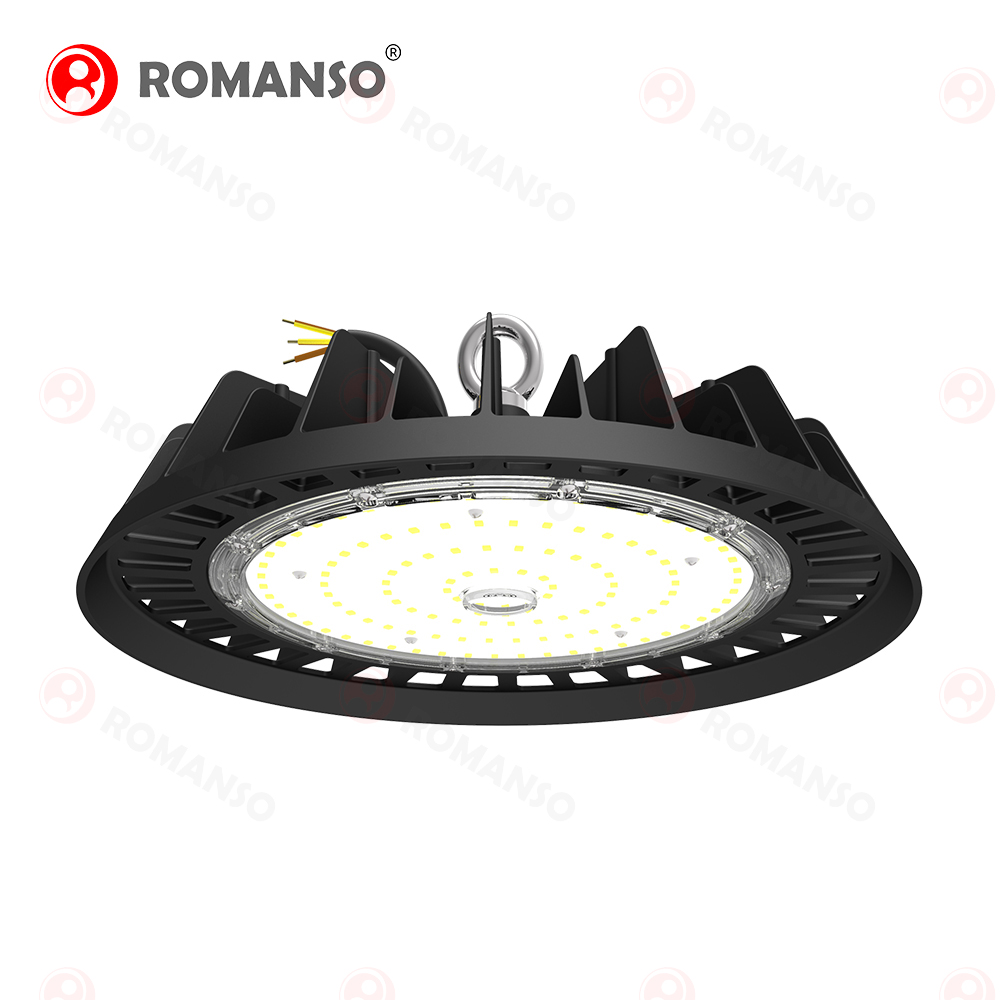
Energy Efficiency Fundamentals in Industrial Settings
Power Consumption Reduction Mechanisms
LED industrial lighting systems consume significantly less electrical power compared to traditional fluorescent or high-intensity discharge fixtures. These advanced luminaires convert approximately 95% of electrical energy into visible light, while conventional lighting technologies waste substantial energy as heat generation. Factory operations benefit from immediate power consumption reductions ranging from 50% to 80% when upgrading to LED industrial lighting solutions. The semiconductor-based technology eliminates energy losses associated with ballast systems and filament heating processes.
Manufacturing environments require consistent illumination levels throughout extended operational periods. LED industrial lighting maintains stable luminous output without the gradual degradation experienced with fluorescent systems. This consistency ensures optimal energy utilization while preventing over-lighting compensation that increases power consumption. Advanced thermal management features in industrial LED fixtures prevent performance degradation under high-temperature conditions common in manufacturing facilities.
Smart Control Integration Capabilities
Modern LED industrial lighting systems incorporate intelligent control technologies that enable precise energy management across factory environments. Daylight harvesting sensors automatically adjust artificial lighting output based on available natural illumination, reducing unnecessary energy consumption during peak daylight hours. Occupancy detection systems activate lighting zones only when personnel are present, eliminating waste in temporarily unused areas of manufacturing facilities.
Programmable lighting schedules align illumination patterns with production shifts and operational requirements. These automated systems prevent accidental overnight lighting while ensuring appropriate illumination levels during active manufacturing periods. LED industrial lighting controllers can interface with existing building management systems, creating comprehensive energy monitoring and optimization platforms.
Cost Management Through Advanced Lighting Technologies
Operational Expense Reduction Strategies
The extended lifespan of LED industrial lighting systems significantly reduces maintenance costs and operational disruptions in manufacturing environments. High-quality LED fixtures provide operational lifespans exceeding 50,000 hours, compared to 10,000-15,000 hours for conventional industrial lighting technologies. This longevity translates to reduced replacement frequency, lower inventory requirements, and decreased maintenance labor costs over the fixture lifecycle.
Manufacturing facilities experience substantial cost savings through reduced cooling system demands when implementing LED industrial lighting upgrades. Traditional lighting technologies generate significant heat output that requires additional air conditioning capacity to maintain comfortable working conditions. LED systems produce minimal heat generation, allowing HVAC systems to operate more efficiently and reducing overall facility energy consumption.
Return on Investment Analysis
LED industrial lighting investments typically achieve payback periods between 12-36 months through combined energy savings and maintenance cost reductions. Manufacturing facilities with high operational hours experience faster return periods due to increased energy consumption differences between LED and conventional lighting technologies. Utility rebate programs and tax incentives for energy-efficient equipment further improve investment returns for industrial LED lighting upgrades.
Production quality improvements contribute additional value beyond direct energy cost savings when implementing LED industrial lighting systems. Enhanced color rendering and reduced flicker rates improve worker visual acuity and reduce eye strain during precision manufacturing tasks. These improvements can increase productivity rates and reduce quality control issues, providing indirect financial benefits that enhance overall project returns.
Environmental Impact and Sustainability Benefits
Carbon Footprint Reduction
LED industrial lighting implementations contribute significantly to corporate sustainability goals through reduced greenhouse gas emissions from decreased energy consumption. Manufacturing facilities typically reduce carbon footprints by 40-70% when transitioning from conventional lighting to LED industrial lighting systems. These reductions align with environmental regulations and corporate social responsibility initiatives while potentially qualifying for carbon credit programs.
The absence of mercury and other hazardous materials in LED industrial lighting fixtures eliminates environmental disposal concerns associated with fluorescent lighting systems. This characteristic simplifies end-of-life handling procedures and reduces potential environmental liabilities for manufacturing facilities. LED components are largely recyclable, supporting circular economy principles in industrial operations.
Regulatory Compliance Advantages
Energy efficiency standards and environmental regulations increasingly favor LED industrial lighting technologies over traditional alternatives. Many jurisdictions implement building codes that require minimum energy efficiency standards that LED systems easily exceed. Proactive adoption of LED industrial lighting helps manufacturing facilities maintain compliance with evolving environmental regulations while avoiding potential retrofit requirements.
Green building certification programs recognize LED industrial lighting as a key component for achieving sustainability ratings. LEED and similar certification systems award credits for energy-efficient lighting installations, enhancing property values and corporate reputation. These certifications can provide competitive advantages in customer relationships and regulatory interactions.
Implementation Strategies for Manufacturing Facilities
Assessment and Planning Procedures
Successful LED industrial lighting implementations begin with comprehensive energy audits that identify current consumption patterns and optimization opportunities. Professional lighting assessments evaluate existing fixture performance, illumination requirements, and operational schedules to develop customized upgrade strategies. These evaluations ensure that LED industrial lighting selections meet specific manufacturing requirements while maximizing energy control benefits.
Phased implementation approaches allow manufacturing facilities to upgrade LED industrial lighting systems without disrupting ongoing operations. Priority installations focus on high-usage areas with greatest energy consumption, providing immediate savings that help fund subsequent phases. This strategy demonstrates tangible benefits while building organizational support for comprehensive lighting modernization programs.
Technology Selection Criteria
LED industrial lighting selection requires careful consideration of lumen output, color temperature, and beam distribution characteristics for specific manufacturing applications. High-bay installations require fixtures with appropriate light distribution patterns to ensure uniform illumination across work surfaces. Color temperature selection affects worker comfort and task visibility, with 4000K-5000K ranges typically optimal for most industrial applications.
Control system compatibility ensures that LED industrial lighting investments provide maximum energy management capabilities. Fixtures with dimming capabilities and sensor integration enable advanced energy optimization strategies that adapt to changing operational conditions. Wireless control options facilitate installation in existing facilities without extensive electrical modifications.
Performance Monitoring and Optimization
Energy Management Systems
Advanced LED industrial lighting systems incorporate monitoring capabilities that provide real-time energy consumption data and performance analytics. These systems enable facility managers to track energy usage patterns, identify optimization opportunities, and verify projected savings achievements. Data logging features support energy management reporting and regulatory compliance documentation requirements.
Predictive maintenance capabilities in smart LED industrial lighting systems alert facility managers to potential issues before equipment failures occur. These early warning systems prevent unexpected downtime while optimizing maintenance scheduling and resource allocation. Remote monitoring capabilities enable centralized management of multiple facility locations from single control platforms.
Continuous Improvement Processes
Regular performance reviews ensure that LED industrial lighting systems continue delivering optimal energy control benefits throughout their operational lifespans. Commissioning procedures verify that control systems operate according to design specifications and energy management objectives. Periodic adjustments to lighting schedules and sensor settings maintain peak efficiency as facility operations evolve.
Technology upgrade opportunities emerge as LED industrial lighting capabilities advance and manufacturing requirements change. Modular fixture designs enable component upgrades without complete system replacements, extending investment life cycles while incorporating latest efficiency improvements. These flexible approaches maximize long-term energy control benefits while minimizing upgrade costs.
FAQ
How much energy can LED industrial lighting save compared to traditional systems?
LED industrial lighting typically reduces energy consumption by 50-80% compared to fluorescent or HID systems. The exact savings depend on existing fixture types, operating hours, and facility characteristics. Manufacturing facilities often see annual energy cost reductions of $0.50-$2.00 per square foot when upgrading to LED industrial lighting systems. These savings accumulate significantly in large industrial facilities with extensive lighting requirements.
What is the typical lifespan of LED industrial lighting fixtures?
Quality LED industrial lighting fixtures provide operational lifespans of 50,000-100,000 hours under normal industrial conditions. This translates to 15-25 years of operation at typical manufacturing facility usage rates. The extended lifespan significantly reduces maintenance costs and operational disruptions compared to conventional lighting technologies that require frequent bulb replacements and ballast maintenance.
Can LED industrial lighting integrate with existing building management systems?
Modern LED industrial lighting systems feature communication protocols that enable seamless integration with building automation and energy management platforms. Common interfaces include BACnet, Modbus, and wireless mesh networks that connect lighting controls to centralized management systems. This integration enables comprehensive energy monitoring, automated scheduling, and coordinated facility management across multiple building systems.
What factors should be considered when selecting LED industrial lighting for manufacturing facilities?
Key selection criteria for LED industrial lighting include lumen output requirements, mounting height considerations, environmental conditions, and control system needs. Manufacturing applications require fixtures rated for industrial environments with appropriate ingress protection ratings. Color rendering index, beam distribution patterns, and dimming capabilities should align with specific task requirements and energy management objectives for optimal performance and efficiency.


