
 EN
EN
 AR
AR
 BG
BG
 HR
HR
 CS
CS
 DA
DA
 NL
NL
 FI
FI
 FR
FR
 DE
DE
 EL
EL
 HI
HI
 IT
IT
 JA
JA
 KO
KO
 NO
NO
 PL
PL
 PT
PT
 RO
RO
 RU
RU
 ES
ES
 SV
SV
 CA
CA
 TL
TL
 IW
IW
 ID
ID
 LV
LV
 LT
LT
 SK
SK
 SL
SL
 UK
UK
 ET
ET
 GL
GL
 HU
HU
 MT
MT
 TH
TH
 TR
TR
 FA
FA
 MS
MS
 GA
GA
How Can LED Outdoor Lighting Improve Visibility While Controlling Energy Use?
2026
Modern cities and commercial properties face a constant challenge balancing adequate illumination with energy efficiency. LED outdoor lighting has emerged as the definitive solution for property managers, municipal authorities, and business owners seeking optimal visibility without excessive energy consumption. This revolutionary technology transforms traditional lighting approaches by delivering superior brightness while dramatically reducing operational costs and environmental impact.
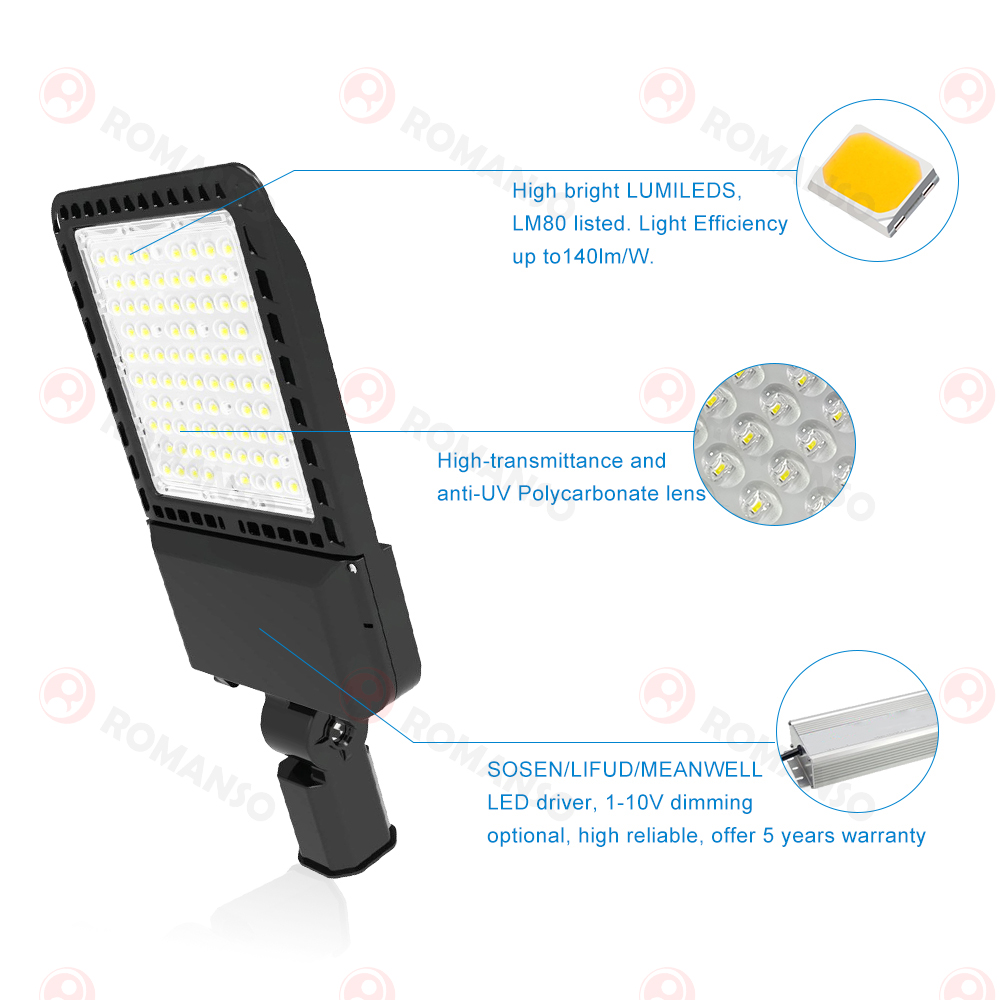
The transition from conventional lighting systems to LED technology represents more than simple bulb replacement. It fundamentally changes how outdoor spaces are illuminated, creating environments that are safer, more sustainable, and economically viable for long-term operation. Understanding these benefits enables property owners to make informed decisions that enhance both security and operational efficiency.
Enhanced Visibility Through Advanced LED Technology
Superior Light Distribution and Quality
LED outdoor lighting systems deliver exceptional light distribution patterns that significantly improve visibility across various outdoor applications. Unlike traditional lighting technologies that often create uneven illumination with dark spots and glare zones, modern LED fixtures provide uniform light coverage that enhances safety and security. The directional nature of LED technology allows for precise beam control, ensuring light reaches exactly where needed without wasteful spillage into unwanted areas.
The color rendering index of quality LED outdoor lighting typically ranges between 70-80 CRI, producing natural-looking illumination that allows accurate color perception during nighttime hours. This superior light quality enables better facial recognition, vehicle identification, and overall environmental awareness compared to sodium vapor or metal halide alternatives that often cast yellow or blue-tinged light.
Advanced optical design in LED fixtures incorporates specialized lenses and reflectors that maximize light utilization efficiency. These components work together to create optimal photometric distributions for specific applications, whether illuminating parking lots, walkways, building perimeters, or recreational areas. The result is improved visibility that enhances both safety and aesthetics while minimizing light pollution.
Instant Illumination and Consistent Performance
One of the most significant advantages of LED outdoor lighting is instantaneous full brightness upon activation. Traditional lighting technologies often require warm-up periods ranging from several minutes to over ten minutes to reach full output, creating potential security vulnerabilities during critical moments. LED systems eliminate this delay, providing immediate maximum illumination when motion sensors activate or manual controls engage.
Temperature stability represents another crucial factor in visibility performance. LED outdoor lighting maintains consistent light output across extreme temperature ranges, from sub-zero winter conditions to scorching summer heat. This reliability ensures predictable illumination levels regardless of seasonal variations, unlike conventional technologies that may dim significantly in cold weather or overheat during hot periods.
The robust construction of professional-grade LED fixtures includes thermal management systems that prevent performance degradation over time. Heat sinks, thermal interfaces, and advanced driver circuits work together to maintain optimal operating temperatures, preserving both light output and fixture longevity throughout the product lifecycle.
Energy Efficiency and Cost Control Strategies
Dramatic Power Consumption Reduction
The energy efficiency of LED outdoor lighting represents its most compelling advantage for cost-conscious property managers. Modern LED fixtures typically consume 50-80% less electricity than equivalent traditional lighting systems while delivering superior or equal light levels. This efficiency stems from LED technology's ability to convert electrical energy directly into visible light with minimal heat generation, unlike incandescent or fluorescent technologies that waste significant energy as heat.
A comprehensive analysis of LED outdoor lighting energy consumption reveals substantial long-term savings potential. For example, replacing a 400-watt metal halide fixture with a 150-watt LED equivalent can reduce annual energy costs by hundreds of dollars per fixture while improving light quality and distribution. When multiplied across large installations with dozens or hundreds of fixtures, these savings become extremely significant for operational budgets.
Intelligent control systems further enhance energy efficiency by enabling sophisticated lighting management strategies. Dimming capabilities, scheduling functions, and occupancy sensors allow LED outdoor lighting systems to operate at optimal levels based on actual needs rather than providing constant full illumination regardless of usage patterns.
Maintenance Cost Minimization
Extended operational lifespan represents another significant cost advantage of LED outdoor lighting systems. Quality LED fixtures typically provide 50,000 to 100,000 hours of operation before requiring replacement, compared to 10,000-15,000 hours for traditional alternatives. This longevity dramatically reduces maintenance frequency, labor costs, and replacement part expenses over the fixture lifecycle.
The solid-state construction of LED technology eliminates fragile components like filaments or gas-filled tubes that commonly fail in traditional lighting. This durability reduces emergency replacement requirements and associated service call costs, particularly important for installations in remote or difficult-to-access locations where maintenance activities are expensive and disruptive.
Predictable performance degradation allows facility managers to plan maintenance activities proactively rather than responding to sudden failures. LED outdoor lighting gradually dims over time rather than failing catastrophically, enabling scheduled group replacements that minimize labor costs and ensure consistent illumination levels across entire installations.
Smart Control Integration and Adaptive Performance
Intelligent Monitoring and Management Systems
Modern LED outdoor lighting systems incorporate sophisticated control technologies that enable remote monitoring, diagnostics, and performance optimization. Networked lighting management platforms provide real-time visibility into fixture status, energy consumption, and operational parameters across entire installations. This connectivity allows facility managers to identify issues before they impact visibility or safety while optimizing energy usage based on actual conditions.
Wireless communication protocols enable seamless integration between individual LED fixtures and centralized control systems. These networks support automatic fault detection, performance reporting, and remote configuration adjustments that minimize on-site maintenance requirements while maximizing system efficiency. Advanced analytics provide insights into usage patterns that inform energy optimization strategies.
Programmable control interfaces allow customized lighting schedules that align with specific operational requirements. Whether providing enhanced security lighting during vulnerable hours or reducing intensity during low-activity periods, intelligent LED outdoor lighting systems adapt automatically to predetermined parameters while maintaining optimal visibility and energy efficiency.
Environmental Responsiveness and Automation
Sensor integration enables LED outdoor lighting systems to respond automatically to environmental conditions and occupancy patterns. Photocells adjust illumination levels based on ambient light conditions, while motion sensors provide enhanced brightness when pedestrian or vehicular activity is detected. These automated responses ensure appropriate visibility levels while minimizing unnecessary energy consumption.
Weather-responsive controls allow LED outdoor lighting to adapt to changing conditions that affect visibility requirements. Fog, rain, or snow conditions can trigger increased illumination levels automatically, while clear weather conditions enable energy-saving dimming. This environmental awareness ensures consistent safety standards regardless of weather variations.
Time-based automation provides additional energy control opportunities by automatically adjusting illumination schedules based on seasonal daylight variations, business hours, or security requirements. These programmable features ensure LED outdoor lighting operates efficiently while maintaining required visibility standards throughout changing operational needs.
Environmental Impact and Sustainability Benefits
Carbon Footprint Reduction
The environmental advantages of LED outdoor lighting extend beyond energy efficiency to encompass broader sustainability goals. Reduced electricity consumption directly translates to lower carbon emissions from power generation, particularly significant in regions dependent on fossil fuel energy sources. Large-scale LED outdoor lighting installations can achieve carbon footprint reductions equivalent to removing dozens of vehicles from roads annually.
Manufacturing sustainability represents another environmental advantage of LED technology. The absence of toxic materials like mercury eliminates hazardous waste disposal requirements while extended operational lifespans reduce replacement frequency and associated manufacturing environmental impacts. LED outdoor lighting contributes to circular economy principles through reduced resource consumption and waste generation.
Light pollution reduction capabilities of LED outdoor lighting support environmental conservation efforts. Precise beam control and directional illumination minimize sky glow and trespass lighting that disrupts wildlife habitats and astronomical observation. Dark-sky friendly LED fixtures help preserve natural nighttime environments while maintaining necessary visibility for human activities.
Regulatory Compliance and Green Building Standards
Many jurisdictions now mandate energy-efficient lighting technologies for new construction and major renovations. LED outdoor lighting systems easily exceed these requirements while providing compliance documentation for regulatory reporting. Meeting or exceeding energy codes through LED implementation avoids potential penalties while demonstrating environmental stewardship commitment.
Green building certification programs like LEED, BREEAM, and Energy Star recognize LED outdoor lighting installations as contributing factors toward sustainability ratings. These certifications can increase property values, attract environmentally conscious tenants, and qualify for various incentive programs or tax benefits available for energy-efficient improvements.
Utility rebate programs frequently offer substantial financial incentives for LED outdoor lighting upgrades, reducing initial investment costs while accelerating payback periods. These programs recognize the grid benefits of reduced peak demand and overall energy consumption associated with widespread LED adoption.
Implementation Considerations and Best Practices
System Design and Specification Requirements
Successful LED outdoor lighting implementation requires careful attention to photometric design principles that ensure adequate illumination levels while maximizing energy efficiency. Professional lighting calculations should account for specific application requirements, including maintained illumination levels, uniformity ratios, and glare control. Proper fixture spacing and mounting heights optimize light distribution while minimizing the total number of fixtures required.
Electrical infrastructure considerations play crucial roles in LED outdoor lighting system performance. Existing electrical systems may require upgrades to accommodate different voltage requirements, control wiring, or surge protection equipment. Professional electrical assessment ensures compatibility and identifies potential infrastructure improvements that enhance system reliability and longevity.
Quality specification standards should emphasize performance characteristics rather than simple wattage comparisons. Important factors include lumens per watt efficiency, color temperature consistency, photometric distribution patterns, and expected maintenance factors over the fixture lifecycle. These specifications ensure LED outdoor lighting delivers promised performance benefits throughout its operational life.
Installation and Commissioning Best Practices
Professional installation practices significantly impact LED outdoor lighting system performance and reliability. Proper mounting techniques, electrical connections, and weatherproofing ensure fixtures operate safely and efficiently throughout their expected lifespan. Installation teams should follow manufacturer specifications while adhering to local electrical codes and safety standards.
System commissioning procedures verify that LED outdoor lighting installations perform according to design specifications. This process includes photometric verification, control system testing, and documentation of system settings. Proper commissioning identifies potential issues early while establishing baseline performance metrics for future maintenance planning.
Training programs for maintenance personnel ensure ongoing LED outdoor lighting system optimization. Understanding LED-specific maintenance requirements, troubleshooting procedures, and performance monitoring techniques enables facility staff to maximize system benefits while minimizing operational issues that could impact visibility or energy efficiency.
FAQ
How much energy can LED outdoor lighting save compared to traditional lighting systems
LED outdoor lighting typically reduces energy consumption by 50-80% compared to traditional technologies like metal halide or high-pressure sodium fixtures. For example, a 400-watt metal halide fixture can often be replaced with a 150-watt LED equivalent that provides superior light quality and distribution. Annual energy savings can range from hundreds to thousands of dollars per fixture depending on utility rates and operating hours, making LED upgrades highly cost-effective investments that typically pay for themselves within 2-4 years.
What is the expected lifespan of LED outdoor lighting fixtures
Quality LED outdoor lighting fixtures are designed to operate for 50,000 to 100,000 hours under normal conditions, which translates to 15-25 years of typical nighttime operation. This extended lifespan significantly exceeds traditional lighting technologies that typically require replacement every 3-5 years. The long operational life reduces maintenance costs, replacement expenses, and service disruptions while providing consistent illumination performance throughout the fixture lifecycle.
Can LED outdoor lighting systems integrate with existing control infrastructure
Modern LED outdoor lighting systems offer flexible integration options that can work with existing control infrastructure while providing upgrade paths for enhanced functionality. Many LED fixtures include multiple control interfaces including 0-10V dimming, DALI protocols, and wireless communication capabilities. Retrofit installations can often utilize existing electrical infrastructure with minimal modifications, while new installations can incorporate advanced networking and monitoring capabilities for comprehensive lighting management.
How do weather conditions affect LED outdoor lighting performance
LED outdoor lighting maintains consistent performance across extreme weather conditions unlike traditional lighting technologies that may dim in cold temperatures or overheat in hot climates. Quality LED fixtures include thermal management systems and weatherproof enclosures rated for outdoor environments. Temperature compensation circuits ensure stable light output from -40°F to 120°F, while sealed housings protect internal components from moisture, dust, and corrosive elements that could impact long-term reliability and performance.


