
 EN
EN
 AR
AR
 BG
BG
 HR
HR
 CS
CS
 DA
DA
 NL
NL
 FI
FI
 FR
FR
 DE
DE
 EL
EL
 HI
HI
 IT
IT
 JA
JA
 KO
KO
 NO
NO
 PL
PL
 PT
PT
 RO
RO
 RU
RU
 ES
ES
 SV
SV
 CA
CA
 TL
TL
 IW
IW
 ID
ID
 LV
LV
 LT
LT
 SK
SK
 SL
SL
 UK
UK
 ET
ET
 GL
GL
 HU
HU
 MT
MT
 TH
TH
 TR
TR
 FA
FA
 MS
MS
 GA
GA
How Can LED Flood Light Efficiency Improve Lighting Consistency in Open Spaces?
2026
Open spaces present unique challenges for lighting designers and facility managers who must balance energy efficiency with consistent illumination across vast areas. Traditional lighting solutions often fall short in delivering uniform brightness while maintaining cost-effective operation. Modern LED flood light technology has emerged as the premier solution for addressing these challenges, offering superior efficiency ratings and enhanced light distribution patterns that significantly improve lighting consistency in outdoor venues, parking lots, sports facilities, and commercial properties.
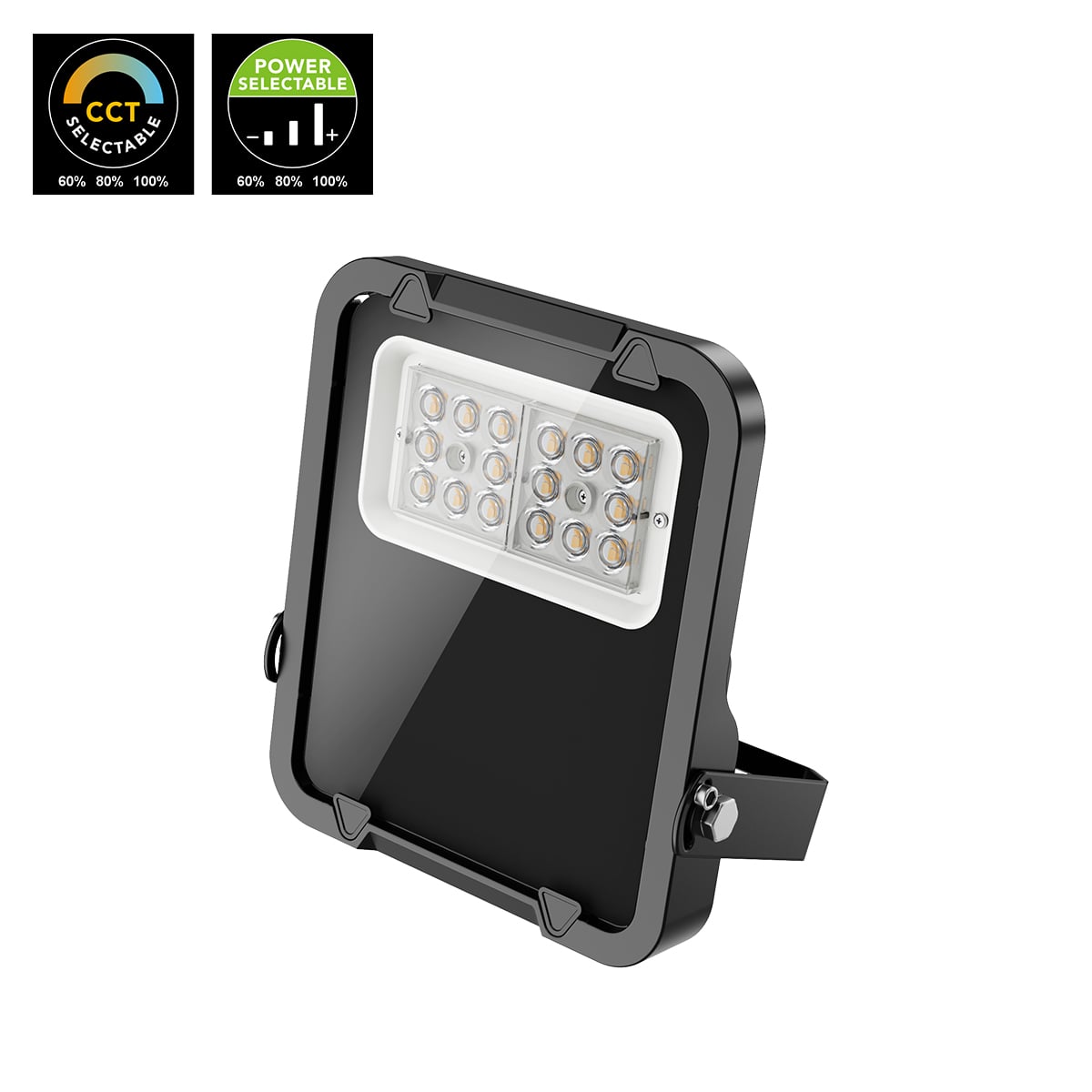
The integration of advanced semiconductor technology in LED flood light systems delivers measurable improvements in both energy consumption and light output uniformity. These fixtures typically consume 70-80% less energy than conventional metal halide or high-pressure sodium alternatives while producing equivalent or superior lumen output. This efficiency translates directly into reduced operational costs and improved environmental sustainability for large-scale lighting installations across industrial and commercial applications.
Understanding LED Flood Light Efficiency Metrics
Lumens Per Watt Performance Standards
LED flood light efficiency is primarily measured in lumens per watt, with modern fixtures achieving ratings between 130-180 lm/W compared to traditional alternatives that typically deliver only 50-100 lm/W. This substantial improvement in efficacy enables facility managers to achieve desired illumination levels using significantly fewer fixtures and reduced power consumption. High-efficiency LED flood light installations can maintain consistent brightness across expansive areas while operating at lower wattages than previously required.
The superior efficiency of LED flood light technology stems from advanced phosphor coatings and precision-engineered semiconductor chips that convert electrical energy into visible light with minimal heat generation. This enhanced conversion efficiency reduces energy waste and extends fixture lifespan, creating long-term value for commercial and industrial lighting projects. Modern LED flood light systems maintain their efficiency ratings throughout their operational life, unlike traditional technologies that experience significant lumen depreciation over time.
Thermal Management and Performance Optimization
Effective thermal management plays a crucial role in maintaining LED flood light efficiency and ensuring consistent light output across large installations. Advanced heat sink designs and thermal interface materials prevent LED junction temperature rise, which can reduce efficiency and accelerate component degradation. Properly engineered LED flood light fixtures maintain optimal operating temperatures even under demanding environmental conditions, preserving both efficiency and light quality.
Intelligent thermal management systems in premium LED flood light products include active cooling mechanisms and temperature monitoring capabilities that automatically adjust output to prevent overheating. These features ensure consistent performance across varying ambient conditions and seasonal temperature fluctuations. The result is reliable LED flood light operation that maintains efficiency standards throughout the fixture's rated lifespan, typically ranging from 50,000 to 100,000 hours of operation.
Light Distribution Patterns and Uniformity
Precision Optics for Enhanced Coverage
Advanced optical systems in modern LED flood light fixtures enable precise control over light distribution patterns, eliminating the hot spots and dark zones common with traditional lighting technologies. Engineered lens arrays and reflector designs ensure uniform illumination across target areas while minimizing light spillage and glare. This precision enables LED flood light installations to achieve consistent lighting levels with fewer fixtures than conventional systems require.
The optical efficiency of LED flood light systems directly impacts overall energy performance by directing more usable light toward intended surfaces rather than dispersing it ineffectively. High-quality optics can improve system efficiency by 15-25% compared to basic reflector designs, translating into reduced fixture counts and lower installation costs. Customizable beam angles allow LED flood light systems to be optimized for specific applications, from narrow spot lighting to wide area flood coverage.
Color Temperature Consistency and Quality
LED flood light technology provides exceptional color temperature stability across individual fixtures and complete installations, ensuring visual consistency that enhances safety and aesthetic appeal. Unlike traditional technologies that exhibit color shift over time, quality LED flood light products maintain consistent color rendering throughout their operational life. This stability is particularly important for applications requiring accurate color perception, such as retail environments and architectural lighting.
Modern LED flood light systems offer selectable color temperatures ranging from warm 3000K to cool 6500K, allowing designers to optimize lighting quality for specific applications. The ability to maintain consistent color temperature across large installations eliminates the patchwork appearance often associated with traditional lighting systems. Advanced binning processes ensure LED flood light fixtures within the same installation exhibit minimal color variation, creating uniform visual environments.
Energy Efficiency and Operational Benefits
Power Consumption Reduction Strategies
Implementing high-efficiency LED flood light systems can reduce facility energy consumption by 60-80% compared to traditional lighting technologies while maintaining or improving illumination quality. This dramatic reduction in power demand translates into substantial cost savings for large-scale installations, with payback periods typically ranging from 2-4 years depending on local energy costs and usage patterns.
Smart control integration with LED flood light systems enables additional energy savings through dimming capabilities, occupancy sensing, and daylight harvesting features. These intelligent control systems can reduce energy consumption by an additional 20-40% beyond the base efficiency improvements of LED technology. Automated scheduling and adaptive lighting controls ensure LED flood light systems operate only when needed while maintaining appropriate illumination levels for safety and security requirements.
Maintenance Cost Optimization
The extended lifespan of LED flood light technology significantly reduces maintenance requirements and associated costs compared to traditional lighting systems. While conventional metal halide or high-pressure sodium fixtures typically require lamp replacement every 12-18 months, quality LED flood light systems can operate for 10-15 years without component replacement. This longevity eliminates frequent maintenance schedules and reduces labor costs associated with fixture access and lamp replacement.
LED flood light systems also eliminate the need for ballast replacement and reduce cleaning frequency due to their sealed construction and improved dirt depreciation characteristics. The solid-state nature of LED flood light technology ensures consistent performance without the gradual output degradation associated with traditional light sources. This reliability translates into predictable lighting performance and reduced emergency maintenance requirements for critical applications.
Application-Specific Performance Advantages
Sports and Recreation Facilities
Sports facilities require exceptional lighting uniformity to ensure player safety and optimal viewing conditions for spectators. LED flood light systems excel in these applications by providing precise light distribution with minimal shadows and glare. The instant-on capability of LED flood light technology eliminates warm-up delays common with traditional systems, allowing for immediate full-brightness operation when facilities are activated.
Professional sports venues increasingly specify LED flood light installations due to their superior color rendering and flicker-free operation, which enhances broadcast quality and reduces visual fatigue. The dimming capabilities of LED flood light systems enable facilities to adjust lighting levels for different activities, from practice sessions to televised events. This flexibility optimizes energy consumption while maintaining appropriate illumination for each use case.
Industrial and Commercial Applications
Industrial facilities benefit from LED flood light efficiency through reduced heat generation and improved working conditions. The cool operation of LED flood light systems eliminates the radiant heat associated with traditional high-intensity discharge lighting, reducing HVAC loads and improving worker comfort. This indirect energy savings can account for an additional 10-15% reduction in facility operating costs beyond direct lighting energy savings.
Commercial parking lots and security applications leverage LED flood light technology for enhanced visibility and safety while minimizing operating expenses. The uniform light distribution achieved with properly designed LED flood light systems improves surveillance camera performance and reduces liability risks associated with poor lighting conditions. The reliability of LED flood light technology ensures consistent security lighting without the frequent outages common with traditional systems.
Installation and Design Considerations
Fixture Spacing and Mounting Optimization
Proper spacing and mounting height calculations are essential for maximizing LED flood light efficiency and achieving uniform illumination across target areas. Advanced photometric modeling software enables precise prediction of light distribution patterns, allowing designers to optimize fixture placement for minimal energy consumption while meeting illumination requirements. This design optimization can reduce fixture counts by 20-30% compared to conventional approaches.
LED flood light mounting configurations must consider both initial illumination requirements and long-term efficiency maintenance. Proper ventilation around fixtures ensures optimal thermal management, while accessible mounting locations facilitate any necessary maintenance activities. The compact size and reduced weight of LED flood light fixtures often enable mounting on existing structures without reinforcement, reducing installation costs and complexity.
Control System Integration
Modern LED flood light systems integrate seamlessly with building automation and energy management systems, enabling centralized control and monitoring of lighting performance. These integration capabilities allow facility managers to optimize LED flood light operation based on occupancy patterns, daylight availability, and energy demand management requirements. Real-time monitoring provides insights into system performance and enables predictive maintenance scheduling.
Wireless control protocols and IoT connectivity extend the capabilities of LED flood light systems beyond basic illumination, enabling features such as emergency response integration and adaptive security lighting. These smart capabilities transform LED flood light installations into comprehensive facility management tools that enhance both efficiency and operational effectiveness. The data generated by intelligent LED flood light systems provides valuable insights for ongoing optimization and energy management strategies.
FAQ
What energy savings can be expected when upgrading to LED flood light systems?
LED flood light upgrades typically deliver 60-80% reduction in energy consumption compared to traditional metal halide or high-pressure sodium systems while maintaining equivalent or improved illumination levels. Additional savings of 20-40% are possible through smart control integration and adaptive lighting features.
How long do LED flood light fixtures typically last in outdoor applications?
Quality LED flood light systems are rated for 50,000 to 100,000 hours of operation, which translates to 10-15 years of typical use. This lifespan assumes proper thermal management and protection from environmental factors through appropriate fixture selection and installation practices.
Can LED flood light systems maintain consistent performance in extreme weather conditions?
Professional-grade LED flood light fixtures are designed to operate reliably across wide temperature ranges, typically from -40°F to 140°F. Advanced thermal management systems and weatherproof construction ensure consistent performance and efficiency regardless of seasonal variations or harsh environmental conditions.
What factors should be considered when calculating LED flood light spacing for optimal uniformity?
LED flood light spacing calculations must consider mounting height, beam angle, target illumination levels, and uniformity ratios. Professional photometric analysis using manufacturer data ensures optimal spacing that maximizes efficiency while meeting illumination standards for specific applications and safety requirements.


