
 EN
EN
 AR
AR
 BG
BG
 HR
HR
 CS
CS
 DA
DA
 NL
NL
 FI
FI
 FR
FR
 DE
DE
 EL
EL
 HI
HI
 IT
IT
 JA
JA
 KO
KO
 NO
NO
 PL
PL
 PT
PT
 RO
RO
 RU
RU
 ES
ES
 SV
SV
 CA
CA
 TL
TL
 IW
IW
 ID
ID
 LV
LV
 LT
LT
 SK
SK
 SL
SL
 UK
UK
 ET
ET
 GL
GL
 HU
HU
 MT
MT
 TH
TH
 TR
TR
 FA
FA
 MS
MS
 GA
GA
What Is LED Stadium Light Technology in 2026?
2026
Professional stadium lighting has undergone revolutionary changes over the past decade, with LED Stadium Light technology emerging as the dominant solution for large-scale sports venues. As we approach 2026, the evolution of LED Stadium Light systems continues to reshape how we illuminate athletic facilities, offering unprecedented efficiency, performance, and cost-effectiveness. Modern stadiums worldwide are transitioning from traditional lighting methods to advanced LED Stadium Light configurations that deliver superior illumination while reducing operational expenses. This comprehensive transformation represents more than just a technological upgrade—it signifies a fundamental shift toward sustainable, intelligent lighting solutions that enhance both player performance and spectator experience. The current landscape of LED Stadium Light technology incorporates cutting-edge features such as smart controls, dimming capabilities, and weather-resistant designs that ensure consistent performance regardless of environmental conditions.
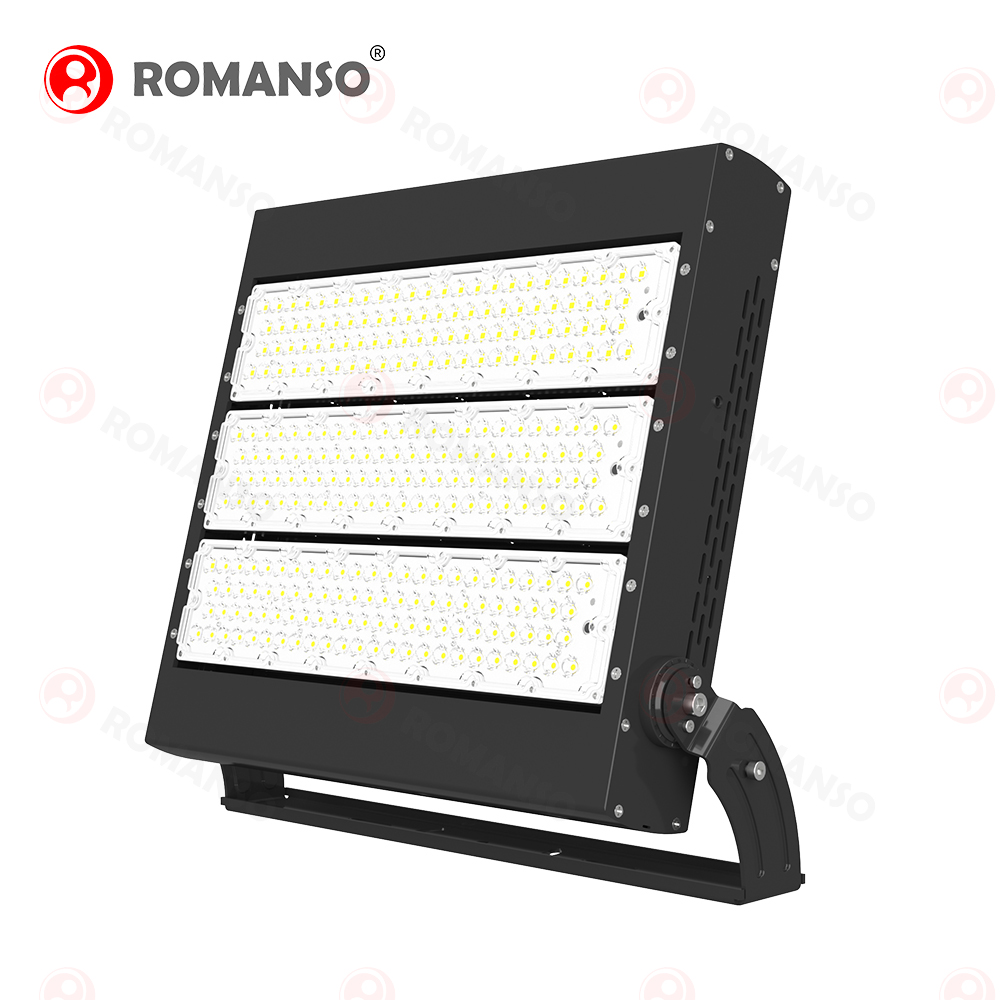
Advanced LED Stadium Light Architecture
High-Power LED Configuration Systems
Contemporary LED Stadium Light systems utilize sophisticated architectural designs that maximize light output while minimizing energy consumption. These configurations typically feature multiple high-wattage LED modules arranged in strategic patterns to ensure uniform illumination across playing surfaces. Professional-grade LED Stadium Light fixtures now incorporate thermal management systems that maintain optimal operating temperatures, extending fixture lifespan and preserving light quality throughout extended usage periods. The modular design approach allows stadium operators to customize their LED Stadium Light installations according to specific venue requirements and sporting activities.
Power options for modern LED Stadium Light systems range from 500 watts to over 1000 watts per fixture, providing flexibility for different stadium sizes and illumination requirements. These high-power configurations deliver exceptional lumen output while maintaining energy efficiency ratios that significantly surpass traditional lighting technologies. Advanced LED Stadium Light systems also incorporate precision optics that direct light precisely where needed, reducing light pollution and ensuring compliance with local regulations governing sports venue illumination.
Intelligent Control Integration
Smart control systems have become integral components of modern LED Stadium Light installations, enabling precise management of lighting levels, scheduling, and energy consumption. These intelligent systems allow facility managers to adjust LED Stadium Light intensity based on specific events, weather conditions, and operational requirements. Remote monitoring capabilities provide real-time feedback on system performance, facilitating proactive maintenance and troubleshooting procedures that minimize downtime and operational disruptions.
The integration of wireless communication protocols enables seamless coordination between multiple LED Stadium Light fixtures, creating synchronized lighting effects for special events and broadcasts. Advanced dimming capabilities allow operators to reduce LED Stadium Light output during non-peak periods, further enhancing energy savings while maintaining adequate illumination for maintenance and security purposes.
Performance Characteristics and Technical Specifications
Luminous Efficacy and Light Quality
Modern LED Stadium Light technology delivers exceptional luminous efficacy, typically achieving 140-160 lumens per watt or higher, representing significant improvements over conventional lighting solutions. This enhanced efficiency translates directly into reduced energy consumption and lower operational costs for stadium operators. High-quality LED Stadium Light systems maintain consistent color temperature and color rendering index values that ensure accurate color reproduction for television broadcasts and optimal visibility for players and spectators.
The spectral distribution of contemporary LED Stadium Light fixtures has been optimized to provide balanced illumination that minimizes glare while maximizing visibility across different areas of the playing field. Advanced optical designs incorporate anti-glare features that reduce eye strain for athletes while maintaining broadcast-quality illumination standards required for professional sports venues. These improvements in light quality contribute significantly to enhanced game performance and spectator satisfaction.
Durability and Weather Resistance
Professional LED Stadium Light systems are engineered to withstand harsh environmental conditions, featuring robust construction materials and protective coatings that resist corrosion, moisture, and extreme temperature variations. IP65 or higher ingress protection ratings ensure reliable operation in all weather conditions, making these fixtures suitable for both indoor and outdoor stadium applications. The rugged design of modern LED Stadium Light systems includes impact-resistant housing and vibration-dampening features that protect sensitive electronic components from mechanical stress.
Extended operational lifespans of 50,000 hours or more make LED Stadium Light systems highly cost-effective investments for facility owners. This longevity reduces maintenance requirements and replacement costs while ensuring consistent lighting performance throughout the fixture's operational life. High-quality components and rigorous testing procedures ensure that these systems maintain their performance characteristics even under demanding usage conditions.
Energy Efficiency and Environmental Impact
Power Consumption Optimization
The energy efficiency advantages of LED Stadium Light technology become particularly pronounced in large-scale applications where traditional lighting systems consume substantial amounts of electricity. Modern LED Stadium Light installations can reduce energy consumption by 50-70% compared to conventional metal halide or high-pressure sodium lighting systems. This dramatic reduction in power usage translates into significant cost savings for stadium operators while supporting environmental sustainability initiatives.
Smart energy management features integrated into contemporary LED Stadium Light systems enable automatic adjustment of power consumption based on occupancy, ambient light conditions, and scheduled events. These intelligent systems can dim or switch off LED Stadium Light fixtures in unused areas, further optimizing energy usage without compromising safety or security lighting requirements. The combination of efficient LED technology and intelligent controls creates a comprehensive energy management solution that maximizes operational savings.
Sustainable Lighting Solutions
Environmental benefits of LED Stadium Light technology extend beyond energy efficiency to include reduced carbon emissions, minimal heat generation, and elimination of hazardous materials commonly found in traditional lighting systems. The long operational lifespan of LED Stadium Light fixtures significantly reduces the frequency of replacements, minimizing waste generation and associated disposal challenges. Additionally, many modern LED Stadium Light systems are designed with recyclable components that support circular economy principles.
The reduced heat output of LED Stadium Light systems eliminates the need for additional cooling systems in enclosed venues, further contributing to energy savings and environmental impact reduction. This characteristic also improves player comfort and reduces thermal stress on facility infrastructure, creating additional operational benefits that extend beyond the lighting system itself.
Installation and Maintenance Considerations
Professional Installation Requirements
Proper installation of LED Stadium Light systems requires specialized expertise and adherence to strict safety protocols due to the high-power nature of these fixtures and their mounting heights. Professional installation teams must consider factors such as structural load requirements, electrical infrastructure capacity, and optimal positioning for uniform light distribution. The installation process typically involves detailed photometric analysis to ensure that LED Stadium Light fixtures are positioned to meet specific illumination standards for different types of sporting events.
Electrical infrastructure upgrades may be necessary to accommodate the power requirements and control systems associated with modern LED Stadium Light installations. These upgrades often include enhanced circuit protection, dedicated control wiring, and integration with building management systems. Proper grounding and surge protection are critical components of safe LED Stadium Light installations, particularly in outdoor venues exposed to lightning and electrical storms.
Maintenance Protocols and Procedures
The maintenance requirements for LED Stadium Light systems are significantly reduced compared to traditional lighting technologies, primarily due to the extended operational lifespan and solid-state construction of LED components. Regular maintenance procedures typically involve visual inspections, cleaning of optical components, and verification of control system functionality. The absence of fragile filaments or gas-filled bulbs eliminates many common failure modes associated with conventional lighting systems.
Preventive maintenance programs for LED Stadium Light installations focus on protecting electrical connections, monitoring thermal performance, and ensuring proper operation of dimming and control systems. The modular design of many LED Stadium Light systems allows for individual component replacement without requiring complete fixture changes, reducing maintenance costs and minimizing service disruptions during critical events.
Economic Analysis and Return on Investment
Initial Investment Considerations
The initial capital investment for LED Stadium Light systems is typically higher than conventional lighting alternatives, but this cost premium is offset by substantial long-term operational savings and performance benefits. Facility owners must consider factors such as energy costs, maintenance expenses, and lighting quality requirements when evaluating the financial implications of LED Stadium Light upgrades. Many jurisdictions offer incentives, rebates, and financing programs that help offset the initial investment costs for energy-efficient lighting systems.
Comprehensive cost analysis of LED Stadium Light projects should include factors such as reduced energy consumption, lower maintenance requirements, improved lighting quality, and enhanced facility utilization opportunities. The ability to quickly adjust lighting levels and create dynamic lighting effects can attract additional events and revenue opportunities that further improve the return on investment for LED Stadium Light systems.
Long-term Financial Benefits
The extended operational lifespan of LED Stadium Light systems creates significant long-term financial advantages through reduced replacement costs and maintenance expenses. Energy savings alone often provide payback periods of 3-5 years for LED Stadium Light investments, with continued savings throughout the system's operational life. The reliability and consistency of LED Stadium Light performance also reduce the risk of lighting failures during critical events, protecting revenue and reputation.
Insurance and liability considerations may also favor LED Stadium Light installations due to their improved safety characteristics, reduced fire risk, and enhanced visibility for emergency situations. These factors can contribute to lower insurance premiums and reduced liability exposure for facility owners and operators.
Future Trends and Technological Developments
Smart Stadium Integration
The evolution of LED Stadium Light technology is closely aligned with broader smart stadium initiatives that integrate various building systems for enhanced operational efficiency and spectator experience. Future LED Stadium Light systems will feature enhanced connectivity options, enabling seamless integration with security systems, audio-visual equipment, and facility management platforms. These integrated systems will provide comprehensive data analytics that support optimized facility operations and predictive maintenance strategies.
Artificial intelligence and machine learning capabilities are being incorporated into advanced LED Stadium Light control systems, enabling automatic optimization of lighting parameters based on historical usage patterns, weather conditions, and event requirements. These intelligent systems will continuously improve their performance through data analysis and adaptive control algorithms that maximize energy efficiency while maintaining optimal lighting conditions.
Enhanced Spectator Experience Features
Future developments in LED Stadium Light technology will focus on creating immersive spectator experiences through dynamic lighting effects, color-changing capabilities, and synchronized multimedia presentations. These advanced features will transform LED Stadium Light systems from purely functional illumination tools into integral components of entertainment and marketing strategies. The ability to create custom lighting effects for different teams, events, and celebrations will add new dimensions to the stadium experience.
Integration with mobile applications and social media platforms will enable spectators to interact with LED Stadium Light systems, creating personalized lighting experiences and enhanced engagement opportunities. These interactive features will support new revenue streams and marketing opportunities while maintaining the primary function of providing high-quality illumination for sporting events.
FAQ
What are the main advantages of LED Stadium Light systems over traditional lighting?
LED Stadium Light systems offer several significant advantages including 50-70% lower energy consumption, operational lifespans exceeding 50,000 hours, instant on/off capability without warm-up periods, superior light quality with excellent color rendering, and reduced maintenance requirements. Additionally, LED Stadium Light fixtures generate less heat, contain no hazardous materials, and provide better dimming control compared to traditional metal halide or high-pressure sodium lighting systems.
How long does it typically take to install LED Stadium Light systems in a professional venue?
Installation timeframes for LED Stadium Light systems vary depending on venue size, complexity, and existing infrastructure conditions, but typically range from 2-6 weeks for complete stadium installations. Factors affecting installation duration include the number of fixtures required, electrical infrastructure upgrades, control system integration, and photometric testing requirements. Professional installation teams work during off-seasons or between events to minimize disruption to facility operations.
What maintenance is required for LED Stadium Light systems?
LED Stadium Light systems require minimal maintenance compared to traditional lighting technologies. Typical maintenance activities include annual visual inspections, cleaning of optical surfaces to maintain light output, verification of electrical connections, and testing of control system functionality. The solid-state construction of LED Stadium Light fixtures eliminates the need for frequent bulb replacements, and most systems can operate for 10-15 years with only routine cleaning and inspection procedures.
How do LED Stadium Light systems handle weather extremes and outdoor conditions?
Modern LED Stadium Light systems are engineered with robust weather-resistant construction featuring IP65 or higher ingress protection ratings that protect against dust, moisture, and extreme weather conditions. These fixtures incorporate corrosion-resistant materials, impact-resistant housings, and thermal management systems that ensure reliable operation in temperatures ranging from -40°F to 140°F. Advanced LED Stadium Light designs include features such as self-cleaning optical surfaces and drainage systems that maintain performance in harsh outdoor environments.


