
 EN
EN
 AR
AR
 BG
BG
 HR
HR
 CS
CS
 DA
DA
 NL
NL
 FI
FI
 FR
FR
 DE
DE
 EL
EL
 HI
HI
 IT
IT
 JA
JA
 KO
KO
 NO
NO
 PL
PL
 PT
PT
 RO
RO
 RU
RU
 ES
ES
 SV
SV
 CA
CA
 TL
TL
 IW
IW
 ID
ID
 LV
LV
 LT
LT
 SK
SK
 SL
SL
 UK
UK
 ET
ET
 GL
GL
 HU
HU
 MT
MT
 TH
TH
 TR
TR
 FA
FA
 MS
MS
 GA
GA
How Does LED Stadium Light Save Energy Costs?
2026
Modern sports facilities face mounting pressure to reduce operational expenses while maintaining exceptional lighting quality for athletes and spectators. Energy costs represent one of the largest ongoing expenses for stadium operators, with traditional lighting systems consuming enormous amounts of electricity throughout their operational lifecycle. LED Stadium Light technology has emerged as a transformative solution, offering dramatic reductions in energy consumption without compromising illumination quality or performance standards.
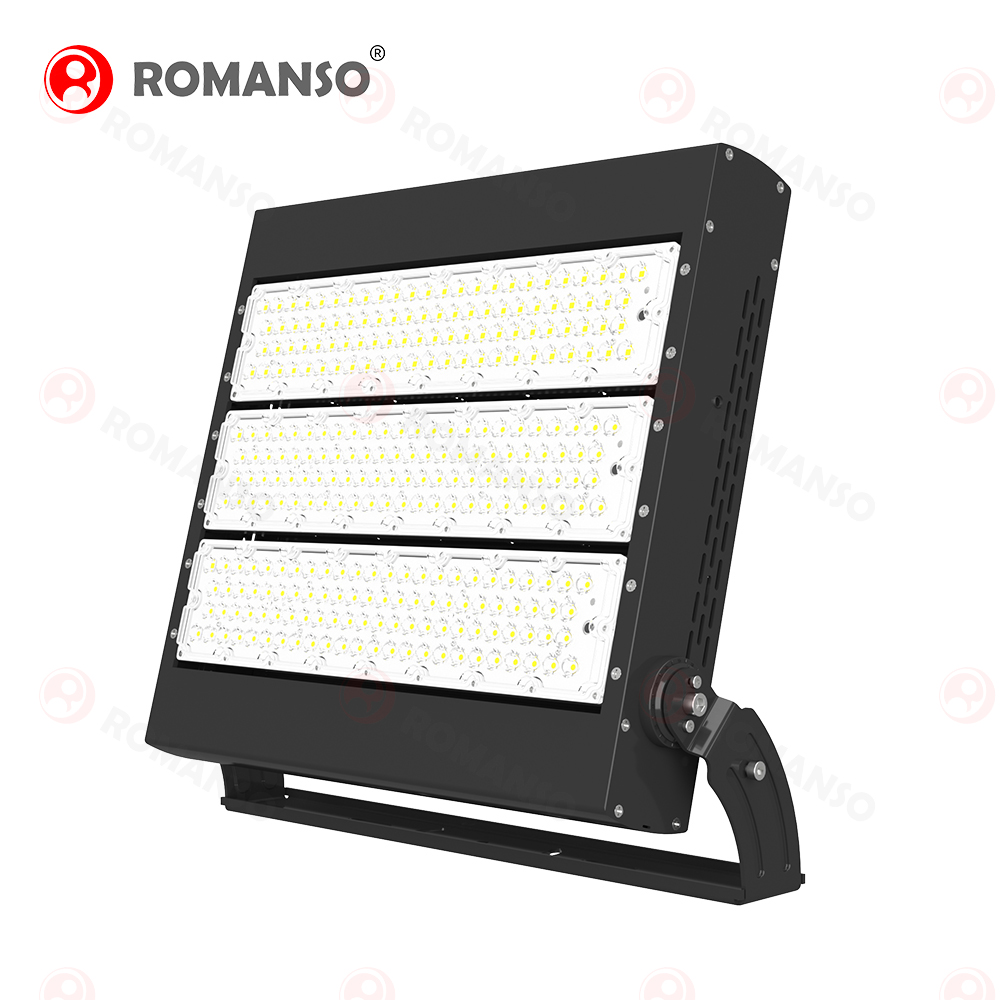
The transition from conventional metal halide and high-pressure sodium lighting to advanced LED Stadium Light systems represents more than just a technological upgrade. This shift fundamentally changes how sports venues approach energy management, operational efficiency, and long-term financial planning. Stadium operators worldwide are discovering that LED Stadium Light installations deliver measurable cost savings that extend far beyond simple electricity bill reductions.
Energy Efficiency Fundamentals of LED Stadium Light Technology
Power Consumption Reduction Mechanisms
LED Stadium Light systems achieve remarkable energy efficiency through advanced semiconductor technology that converts electrical energy directly into light photons. Unlike traditional lighting technologies that generate significant heat as a byproduct, LED Stadium Light fixtures channel nearly all consumed electricity toward illumination output. This fundamental difference in energy conversion translates to efficiency ratings of 130-160 lumens per watt, compared to 80-100 lumens per watt for metal halide alternatives.
The thermal management advantages of LED Stadium Light technology extend beyond immediate energy savings. Traditional stadium lighting generates substantial heat that requires additional cooling infrastructure, creating compounding energy costs. LED Stadium Light systems operate at significantly lower temperatures, reducing facility cooling requirements and creating cascading energy savings throughout the venue's environmental systems.
Instantaneous Control and Dimming Capabilities
Advanced LED Stadium Light installations feature sophisticated control systems that enable precise power management based on actual usage requirements. Unlike conventional fixtures that operate at full power regardless of lighting needs, LED Stadium Light systems can instantly adjust output levels to match specific event requirements or maintenance activities. This dynamic control capability allows operators to reduce energy consumption during practice sessions, maintenance periods, or partial-capacity events.
Smart dimming technologies integrated into modern LED Stadium Light systems enable automated scheduling and occupancy-based controls. These systems can automatically reduce lighting levels during low-activity periods while maintaining safety and security illumination standards. The ability to implement graduated lighting schedules throughout different operational phases significantly reduces overall energy consumption without compromising facility functionality.
Operational Cost Analysis and ROI Calculations
Direct Electricity Savings Quantification
Stadium operators typically observe 50-70% reductions in lighting-related electricity costs following LED Stadium Light installations. For large venues consuming 1-2 million kWh annually for lighting, this translates to savings of $100,000-$300,000 per year, depending on local electricity rates and usage patterns. The LED Stadium Light efficiency gains become even more pronounced in facilities with extended operating hours or year-round usage patterns.
Peak demand charge reductions represent another significant component of LED Stadium Light cost savings. Many utility companies impose demand charges based on maximum power consumption during peak periods. LED Stadium Light systems reduce peak electrical loads by 40-60%, resulting in substantial monthly demand charge reductions that compound savings beyond simple energy usage calculations.
Maintenance and Replacement Cost Reductions
Traditional stadium lighting requires frequent lamp replacements, ballast maintenance, and specialized equipment for high-altitude installations. LED Stadium Light systems eliminate most of these recurring expenses through extended operational lifespans exceeding 50,000 hours. This longevity translates to 15-20 years of operation before requiring replacement, compared to 2-3 years for metal halide systems.
The maintenance cost advantages of LED Stadium Light technology extend beyond lamp replacement savings. Reduced heat generation minimizes thermal stress on electrical components, reducing ballast failures and wiring degradation. Stadium operators report 80-90% reductions in lighting-related maintenance calls following LED Stadium Light installations, freeing maintenance staff for other critical facility management tasks.
Environmental Impact and Sustainability Benefits
Carbon Footprint Reduction
LED Stadium Light implementations contribute significantly to facilities' environmental sustainability goals through dramatic reductions in carbon emissions. The energy efficiency improvements directly translate to reduced power generation requirements, decreasing the facility's overall carbon footprint. Large stadiums can achieve annual carbon emission reductions equivalent to removing 100-200 automobiles from operation through LED Stadium Light conversions.
The environmental benefits of LED Stadium Light systems extend beyond operational efficiency. LED components contain no mercury or other hazardous materials, eliminating disposal concerns associated with traditional lighting technologies. This environmental advantage becomes particularly significant for large installations requiring hundreds of fixtures, where mercury content can represent substantial environmental liability.
Heat Island Effect Mitigation
Traditional stadium lighting generates substantial heat that contributes to urban heat island effects in densely populated areas. LED Stadium Light systems produce minimal heat output, reducing the thermal burden on surrounding environments. This reduction in waste heat generation contributes to improved local air quality and reduced cooling requirements for adjacent buildings.
The thermal advantages of LED Stadium Light technology also benefit player performance and spectator comfort. Reduced heat generation from lighting systems helps maintain more comfortable playing conditions during summer events, while simultaneously reducing facility cooling costs. These combined benefits create value beyond simple energy cost savings, enhancing the overall venue experience.
Advanced Control Systems and Smart Features
Automated Scheduling and Zone Control
Modern LED Stadium Light installations incorporate sophisticated control systems that optimize energy usage through automated scheduling and zone-specific controls. These systems can automatically adjust lighting levels based on event schedules, occupancy sensors, and predetermined usage patterns. Stadium operators can implement complex lighting schedules that align power consumption with actual facility requirements, maximizing energy efficiency without compromising operational flexibility.
Zone-specific control capabilities allow LED Stadium Light systems to illuminate only required areas during partial-capacity events or maintenance activities. This selective illumination approach can reduce energy consumption by 30-50% during non-peak usage periods while maintaining appropriate lighting levels for ongoing activities. The flexibility of zone control systems provides stadium operators with unprecedented precision in managing lighting-related energy costs.
Integration with Building Management Systems
LED Stadium Light systems can integrate seamlessly with existing building management systems to create comprehensive energy management solutions. This integration enables coordinated control of lighting, HVAC, and other electrical systems to optimize overall facility energy efficiency. Advanced LED Stadium Light controllers can communicate with utility demand response programs, automatically reducing power consumption during peak demand periods to minimize electricity costs.
The data collection capabilities of smart LED Stadium Light systems provide valuable insights into facility usage patterns and energy consumption trends. Stadium operators can analyze this data to identify additional optimization opportunities and make informed decisions about operational scheduling and energy management strategies. These analytical capabilities transform LED Stadium Light installations from simple lighting solutions into comprehensive energy management tools.
Long-term Financial Benefits and Payback Analysis
Return on Investment Calculations
Stadium operators typically achieve complete return on LED Stadium Light investments within 3-5 years through combined energy savings and reduced maintenance costs. The payback period varies based on facility size, usage patterns, and local electricity rates, but most installations demonstrate positive cash flow within the first operational year. LED Stadium Light systems continue generating savings for 15-20 years beyond the initial payback period, creating substantial long-term financial benefits.
The financial advantages of LED Stadium Light installations compound over time as electricity rates increase and traditional lighting maintenance costs escalate. Facilities that implement LED Stadium Light systems today position themselves advantageously against future energy cost inflation while avoiding the increasing maintenance expenses associated with aging conventional lighting infrastructure.
Utility Incentives and Rebate Programs
Many utility companies offer substantial rebates and incentive programs for LED Stadium Light installations as part of energy efficiency initiatives. These programs can offset 20-40% of initial installation costs, significantly improving project economics and accelerating payback periods. Stadium operators should investigate available utility incentives before proceeding with LED Stadium Light implementations to maximize financial benefits.
Government tax incentives and energy efficiency credits provide additional financial advantages for LED Stadium Light installations. Federal and state programs often offer tax deductions or credits for energy-efficient lighting upgrades, further improving the economic case for LED Stadium Light conversions. These combined incentives can reduce effective installation costs by 30-50%, making LED Stadium Light implementations financially attractive for virtually any stadium operation.
FAQ
How much can stadiums save annually with LED Stadium Light installations?
Stadium operators typically achieve 50-70% reductions in lighting-related electricity costs with LED Stadium Light systems. For large venues, this translates to annual savings of $100,000-$300,000, depending on facility size, usage patterns, and local electricity rates. Additional savings from reduced maintenance costs and peak demand charge reductions can increase total annual savings by 20-30%.
What is the typical payback period for LED Stadium Light investments?
Most stadium LED Stadium Light installations achieve complete payback within 3-5 years through combined energy and maintenance savings. Facilities with extended operating hours or high electricity rates may achieve payback in 2-3 years, while smaller venues with limited usage may require 4-6 years. Utility rebates and tax incentives can reduce payback periods by 12-24 months.
Do LED Stadium Light systems require special maintenance procedures?
LED Stadium Light systems require minimal maintenance compared to traditional lighting technologies. The extended lifespan of LED components eliminates frequent lamp replacement requirements, while reduced heat generation minimizes component wear and electrical system stress. Most LED Stadium Light installations require only periodic cleaning and annual electrical connection inspections to maintain optimal performance.
Can existing stadium electrical infrastructure support LED Stadium Light installations?
LED Stadium Light systems typically require 40-60% less electrical power than conventional lighting, making most existing electrical infrastructure more than adequate for LED installations. The reduced power requirements may even allow facilities to add additional lighting zones or upgrade control systems without electrical service modifications. Professional electrical assessment ensures optimal system design and identifies any necessary infrastructure modifications.


