
 EN
EN
 AR
AR
 BG
BG
 HR
HR
 CS
CS
 DA
DA
 NL
NL
 FI
FI
 FR
FR
 DE
DE
 EL
EL
 HI
HI
 IT
IT
 JA
JA
 KO
KO
 NO
NO
 PL
PL
 PT
PT
 RO
RO
 RU
RU
 ES
ES
 SV
SV
 CA
CA
 TL
TL
 IW
IW
 ID
ID
 LV
LV
 LT
LT
 SK
SK
 SL
SL
 UK
UK
 ET
ET
 GL
GL
 HU
HU
 MT
MT
 TH
TH
 TR
TR
 FA
FA
 MS
MS
 GA
GA
Why Choose LED Stadium Light Over Traditional Options?
2026
Stadium lighting has undergone a revolutionary transformation in recent years, with LED Stadium Light technology emerging as the dominant choice for modern sports facilities worldwide. Traditional lighting systems that once illuminated major venues are rapidly being replaced by advanced LED solutions that offer superior performance, energy efficiency, and operational benefits. The shift toward LED Stadium Light installations represents more than just a technological upgrade; it signifies a fundamental change in how stadium operators approach illumination, cost management, and environmental responsibility.
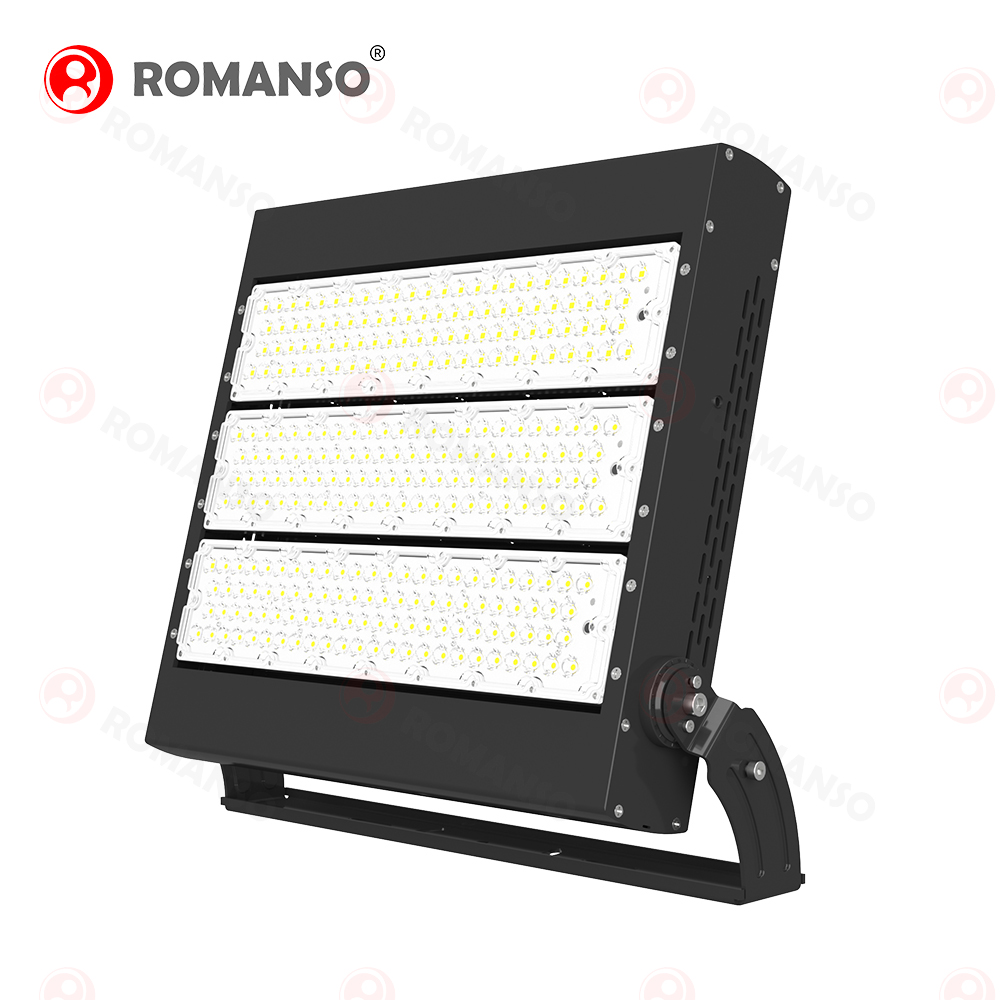
The evolution from metal halide and high-pressure sodium fixtures to LED Stadium Light systems has created unprecedented opportunities for facility managers to optimize their lighting infrastructure while reducing operational expenses. Professional sports venues, college stadiums, and community athletic facilities are discovering that LED Stadium Light technology delivers exceptional illumination quality while dramatically cutting energy consumption and maintenance requirements. This transition is not merely about replacing old fixtures with new ones; it involves a comprehensive upgrade that transforms how stadiums operate, perform, and contribute to their communities.
Modern sports entertainment demands have intensified the importance of superior lighting performance, making LED Stadium Light solutions essential for venues hosting televised events, professional competitions, and community gatherings. The ability to provide consistent, flicker-free illumination that meets broadcasting standards while maintaining optimal visibility for spectators and athletes has become a critical requirement for contemporary stadium operators.
Energy Efficiency and Cost Reduction Benefits
Dramatic Power Consumption Reduction
LED Stadium Light systems consume significantly less electricity compared to traditional metal halide or high-pressure sodium alternatives, typically reducing energy usage by 60-80 percent. This substantial reduction in power consumption translates directly into lower utility bills, making LED Stadium Light installations highly attractive investments for budget-conscious facility operators. Large stadiums that previously consumed hundreds of kilowatts for lighting can achieve similar illumination levels while using a fraction of the electrical power.
The energy efficiency advantages of LED Stadium Light technology extend beyond simple power reduction, encompassing improved power factor characteristics and reduced electrical infrastructure strain. Unlike traditional lighting systems that require significant warm-up periods and consume considerable standby power, LED Stadium Light fixtures provide instant illumination at full brightness while maintaining consistent energy consumption throughout their operational lifespan.
Long-Term Financial Impact
Stadium operators implementing LED Stadium Light systems typically experience return on investment periods ranging from two to four years, depending on usage patterns and local electricity costs. The combination of reduced energy consumption, minimal maintenance requirements, and extended operational lifespan creates compelling financial justification for LED Stadium Light upgrades. Facilities that operate lighting systems for hundreds of hours annually find that LED Stadium Light technology delivers substantial cost savings over traditional alternatives.
Beyond direct energy savings, LED Stadium Light installations often qualify for utility rebates, tax incentives, and sustainability grants that further enhance the financial benefits of upgrading. Many utility companies offer substantial rebates for LED Stadium Light retrofits, recognizing the positive impact these installations have on grid stability and peak demand management.
Superior Performance and Light Quality
Enhanced Illumination Uniformity
LED Stadium Light systems deliver exceptional light distribution uniformity that surpasses traditional lighting technologies, eliminating dark spots and shadows that can compromise athletic performance and spectator experience. The precise optical control capabilities inherent in LED Stadium Light design allow engineers to create customized illumination patterns that optimize light placement for specific stadium configurations and sporting requirements.
Professional-grade LED Stadium Light installations provide consistent color temperature and color rendering index values across the entire illuminated area, ensuring that televised broadcasts maintain accurate color reproduction and visual clarity. This uniformity is particularly important for high-definition television production, where inconsistent lighting can create technical challenges and compromise broadcast quality.
Advanced Control and Dimming Capabilities
Modern LED Stadium Light systems incorporate sophisticated control technologies that enable precise dimming, scheduling, and scene management capabilities impossible with traditional lighting. Stadium operators can program different illumination levels for various events, practices, maintenance activities, and energy conservation periods, maximizing operational flexibility while minimizing unnecessary energy consumption.
The instant on-off capability of LED Stadium Light technology eliminates lengthy warm-up periods associated with metal halide systems, allowing facilities to respond quickly to scheduling changes and emergency situations while reducing unnecessary energy consumption during brief usage periods.
Maintenance and Operational Advantages
Extended Lifespan and Reliability
LED Stadium Light fixtures typically operate for 50,000 to 100,000 hours before requiring replacement, compared to 15,000-20,000 hours for traditional metal halide systems. This extended operational lifespan significantly reduces maintenance frequency, replacement costs, and operational disruptions associated with fixture failures during events or practice sessions.
The solid-state construction of LED Stadium Light technology eliminates fragile filaments, glass envelopes, and other failure-prone components common in traditional lighting systems. Stadium maintenance teams benefit from reduced ladder time, fewer emergency repairs, and lower inventory requirements for replacement components, allowing resources to focus on other critical facility needs.
Reduced Maintenance Complexity
LED Stadium Light systems require minimal routine maintenance beyond periodic cleaning and inspection, eliminating the complex ballast replacements, lamp cycling, and electrical troubleshooting associated with traditional stadium lighting. Maintenance personnel can focus on preventive care rather than reactive repairs, improving overall facility reliability and reducing operational stress.
The modular design of many LED Stadium Light systems allows for component-level maintenance and replacement, enabling targeted repairs without replacing entire fixtures. This approach reduces maintenance costs, minimizes spare parts inventory, and allows facilities to maintain optimal performance even when individual components require attention.
Environmental Impact and Sustainability
Carbon Footprint Reduction
LED Stadium Light installations significantly reduce facility carbon footprints through decreased electricity consumption and elimination of hazardous materials commonly found in traditional lighting systems. Stadiums implementing LED Stadium Light technology typically reduce lighting-related carbon emissions by 60-80 percent, contributing to organizational sustainability goals and environmental stewardship initiatives.
The manufacturing and disposal processes for LED Stadium Light products generate fewer environmental impacts compared to traditional alternatives, supporting circular economy principles and responsible resource management. Many LED Stadium Light manufacturers incorporate recyclable materials and design fixtures for end-of-life material recovery.
Elimination of Hazardous Materials
LED Stadium Light technology eliminates mercury, lead, and other toxic substances present in traditional stadium lighting systems, reducing environmental hazards and simplifying disposal procedures. Facilities no longer need specialized hazardous waste handling protocols for routine lamp replacements, reducing administrative burden and environmental liability.
The absence of hazardous materials in LED Stadium Light systems also improves workplace safety for maintenance personnel and reduces potential environmental contamination risks associated with fixture breakage or improper disposal practices.
Technological Integration and Smart Features
IoT Connectivity and Remote Management
Advanced LED Stadium Light systems incorporate Internet of Things connectivity that enables remote monitoring, control, and diagnostics capabilities. Stadium operators can monitor LED Stadium Light performance, energy consumption, and operational status from centralized control centers, improving operational efficiency and enabling proactive maintenance scheduling.
Smart LED Stadium Light installations provide real-time data analytics that help facility managers optimize lighting schedules, identify energy savings opportunities, and track performance metrics. This data-driven approach to stadium lighting management enables continuous improvement and operational optimization.
Integration with Building Management Systems
Modern LED Stadium Light solutions seamlessly integrate with comprehensive building management systems, allowing coordinated control of lighting, HVAC, security, and other facility systems. This integration enables automated responses to occupancy patterns, weather conditions, and scheduled events, maximizing energy efficiency while maintaining optimal facility conditions.
The compatibility of LED Stadium Light systems with various communication protocols and control standards ensures future-proof installations that can adapt to evolving technology requirements and facility management practices.
FAQ
How long do LED Stadium Light fixtures typically last compared to traditional options
LED Stadium Light systems typically operate for 50,000 to 100,000 hours, which is approximately three to five times longer than traditional metal halide or high-pressure sodium fixtures that usually last 15,000 to 20,000 hours. This extended lifespan significantly reduces replacement frequency and maintenance costs for stadium operators.
What are the energy savings when switching to LED Stadium Light technology
Facilities typically experience 60-80 percent reduction in lighting energy consumption when upgrading from traditional stadium lighting to LED Stadium Light systems. These significant energy savings translate to substantial utility bill reductions and typically provide return on investment within two to four years.
Can LED Stadium Light systems be dimmed and controlled remotely
Yes, modern LED Stadium Light installations offer sophisticated dimming capabilities and can be controlled remotely through building management systems or dedicated lighting control platforms. Stadium operators can program different illumination levels, create lighting scenes, and monitor system performance from centralized locations.
Do LED Stadium Light systems require special installation considerations
While LED Stadium Light fixtures can often utilize existing mounting infrastructure, professional installation is recommended to optimize performance and ensure proper electrical connections. Many LED Stadium Light systems require updated control wiring and may benefit from electrical infrastructure upgrades to maximize efficiency and functionality.


