
 EN
EN
 AR
AR
 BG
BG
 HR
HR
 CS
CS
 DA
DA
 NL
NL
 FI
FI
 FR
FR
 DE
DE
 EL
EL
 HI
HI
 IT
IT
 JA
JA
 KO
KO
 NO
NO
 PL
PL
 PT
PT
 RO
RO
 RU
RU
 ES
ES
 SV
SV
 CA
CA
 TL
TL
 IW
IW
 ID
ID
 LV
LV
 LT
LT
 SK
SK
 SL
SL
 UK
UK
 ET
ET
 GL
GL
 HU
HU
 MT
MT
 TH
TH
 TR
TR
 FA
FA
 MS
MS
 GA
GA
When Should You Upgrade to LED Stadium Light Systems?
2026
Stadium lighting represents one of the most critical infrastructure investments for sports facilities, entertainment venues, and large-scale outdoor events. The transition from traditional lighting systems to modern LED Stadium Light technology has revolutionized how venues approach illumination, offering unprecedented energy efficiency, performance consistency, and operational cost savings. Facility managers and venue operators face mounting pressure to evaluate their current lighting infrastructure against evolving industry standards, regulatory requirements, and escalating energy costs.
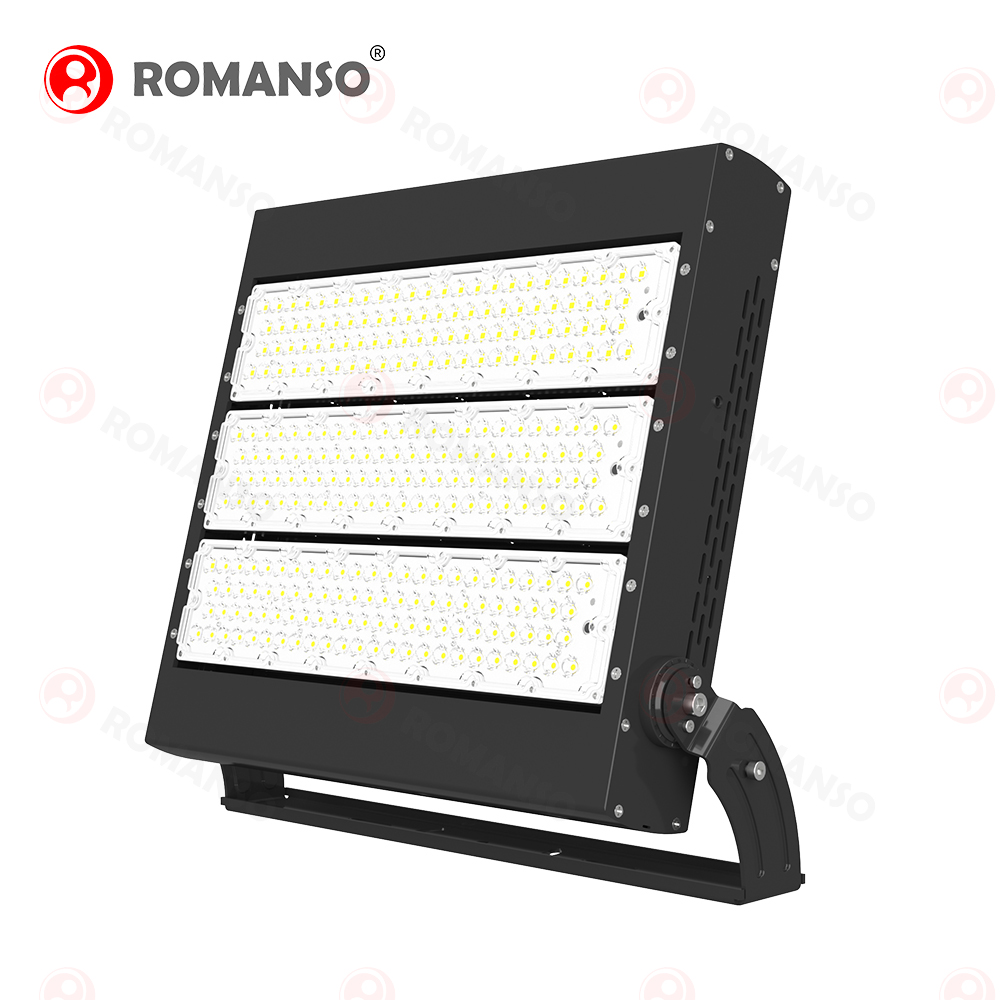
The decision to upgrade stadium lighting systems involves multiple technical, financial, and operational considerations that extend beyond simple equipment replacement. Modern LED Stadium Light solutions deliver superior light quality, enhanced spectator experience, and broadcast-quality illumination that meets professional sports standards. Understanding the optimal timing for this transition requires careful analysis of existing system performance, maintenance costs, energy consumption patterns, and long-term facility objectives.
Performance Indicators Signaling Upgrade Necessity
Energy Consumption Analysis and Cost Evaluation
Traditional metal halide and high-pressure sodium lighting systems consume significantly more energy compared to contemporary LED Stadium Light installations. Facilities experiencing monthly electricity bills exceeding industry benchmarks should conduct comprehensive energy audits to quantify potential savings. LED technology typically reduces energy consumption by sixty to seventy percent while maintaining superior light output and distribution patterns.
Operational cost analysis must encompass not only direct energy expenses but also maintenance requirements, lamp replacement frequency, and labor costs associated with system upkeep. LED Stadium Light systems feature extended operational lifespans ranging from fifty thousand to one hundred thousand hours, dramatically reducing maintenance interventions and associated downtime. Facilities managing multiple lighting towers or extensive illumination networks particularly benefit from reduced maintenance scheduling and equipment replacement cycles.
Light Quality and Performance Standards
Professional sports venues require consistent illumination levels that meet broadcast standards and ensure optimal visibility for athletes and spectators. Legacy lighting systems often exhibit significant light degradation over time, resulting in uneven illumination patterns and color temperature variations across playing surfaces. LED Stadium Light technology maintains consistent color rendering and lumen output throughout its operational lifespan, eliminating performance degradation concerns.
Modern broadcasting requirements demand precise control over flicker rates and color consistency to ensure high-definition video capture without interference or visual artifacts. LED Stadium Light systems provide flicker-free operation and superior color rendering indices that enhance both live spectator experience and broadcast quality. Facilities hosting televised events or professional competitions must prioritize lighting systems that meet stringent broadcast illumination standards.
Financial Justification and Return on Investment
Initial Investment Versus Long-Term Savings
LED Stadium Light system upgrades require substantial initial capital investment, but deliver measurable returns through reduced operational expenses and enhanced facility capabilities. Financial analysis should incorporate energy cost savings, maintenance reduction benefits, and potential revenue increases from improved venue capabilities. Most facilities achieve return on investment within three to five years through cumulative operational savings.
Utility rebate programs and energy efficiency incentives often offset significant portions of initial upgrade costs, improving project economics and accelerating payback periods. Many regional utilities offer substantial rebates for LED Stadium Light installations that meet specific efficiency criteria and certification standards. Facilities should investigate available incentive programs during project planning to maximize financial benefits and reduce net implementation costs.
Operational Efficiency and Maintenance Reduction
Traditional stadium lighting systems require frequent lamp replacements, ballast maintenance, and electrical component servicing that generates ongoing operational expenses. LED Stadium Light technology eliminates most maintenance requirements through solid-state design and extended component lifespans. Facilities can reallocate maintenance resources to other critical infrastructure needs while reducing unplanned downtime and service interruptions.
Advanced LED Stadium Light systems incorporate intelligent control capabilities that enable remote monitoring, automated scheduling, and predictive maintenance alerts. These features enhance operational efficiency while providing facility managers with real-time performance data and system diagnostics. Smart lighting controls reduce unnecessary energy consumption during non-event periods and optimize illumination levels based on specific usage requirements.
Technology Advantages and System Capabilities
Advanced Control Systems and Smart Integration
Contemporary LED Stadium Light installations offer sophisticated control capabilities that traditional lighting systems cannot match. Dimming controls, zone-specific adjustments, and programmable lighting scenes enable facilities to optimize illumination for different events, activities, and operational requirements. These capabilities enhance venue versatility while reducing energy consumption during partial facility usage.
Integration with building management systems and smart facility platforms allows comprehensive monitoring and control of lighting infrastructure alongside other venue systems. LED Stadium Light systems with advanced controls provide detailed usage analytics, energy consumption reporting, and performance optimization recommendations that support data-driven facility management decisions.
Environmental Benefits and Sustainability Compliance
LED Stadium Light technology supports environmental sustainability initiatives through reduced energy consumption, eliminated hazardous materials, and extended component lifespans. Unlike traditional lighting systems containing mercury and other hazardous substances, LED technology provides environmentally responsible illumination without disposal concerns or environmental impact risks.
Carbon footprint reduction represents a significant sustainability benefit that aligns with corporate environmental responsibility objectives and regulatory compliance requirements. LED Stadium Light systems generate substantially lower greenhouse gas emissions through reduced energy consumption and eliminate the environmental impact associated with frequent lamp replacements and hazardous material disposal.
Implementation Timeline and Strategic Planning
Project Planning and Phased Implementation
Stadium lighting upgrades require careful project planning to minimize disruption to scheduled events and facility operations. Phased implementation strategies allow facilities to upgrade lighting systems incrementally while maintaining operational continuity. LED Stadium Light installations can often be completed during off-season periods or scheduled maintenance windows to avoid event conflicts.
Professional installation and commissioning ensure optimal system performance and compliance with electrical codes and safety standards. LED Stadium Light systems require precise aiming, proper heat management, and appropriate electrical infrastructure to achieve specified performance levels. Qualified installation teams provide warranty compliance and system optimization services that maximize investment returns.
System Specification and Performance Requirements
LED Stadium Light system specifications must align with facility requirements, usage patterns, and performance objectives. Illumination level requirements vary based on venue type, sports activities, and broadcast needs. Professional lighting design ensures adequate coverage, uniformity ratios, and glare control that meet industry standards and user expectations.
Weather resistance and durability specifications become critical factors for outdoor installations exposed to environmental conditions. LED Stadium Light systems must provide reliable operation through temperature extremes, precipitation, and wind loading conditions. IP65 or higher ingress protection ratings ensure long-term reliability and minimize maintenance requirements in challenging environmental conditions.
FAQ
What factors determine the optimal timing for LED stadium lighting upgrades
The optimal upgrade timing depends on current system age, energy costs, maintenance requirements, and performance standards. Facilities with lighting systems over ten years old, rising energy expenses, or frequent maintenance issues should prioritize LED Stadium Light upgrades. Additionally, venues requiring broadcast-quality illumination or hosting professional events benefit from immediate upgrades to meet current industry standards.
How long does LED Stadium Light system installation typically require
Installation duration varies based on facility size, existing infrastructure, and system complexity. Most LED Stadium Light projects require two to six weeks for complete installation and commissioning. Phased implementations allow facilities to maintain operational schedules while upgrading lighting systems incrementally. Professional installation teams coordinate with facility managers to minimize disruption and ensure timely project completion.
What maintenance requirements apply to LED Stadium Light systems
LED Stadium Light systems require minimal maintenance compared to traditional lighting technologies. Regular cleaning of fixture lenses and periodic electrical connection inspections represent the primary maintenance activities. Most LED systems operate for fifty thousand to one hundred thousand hours without component replacement, dramatically reducing maintenance costs and facility downtime.
How do LED Stadium Light systems improve broadcast and spectator experience
LED Stadium Light technology provides superior color rendering, flicker-free operation, and consistent illumination levels that enhance both live spectator experience and broadcast quality. Advanced LED systems eliminate the warm-up periods and color temperature variations associated with traditional lighting, while providing precise control over illumination levels and distribution patterns that optimize visibility for all venue users.


