
 EN
EN
 AR
AR
 BG
BG
 HR
HR
 CS
CS
 DA
DA
 NL
NL
 FI
FI
 FR
FR
 DE
DE
 EL
EL
 HI
HI
 IT
IT
 JA
JA
 KO
KO
 NO
NO
 PL
PL
 PT
PT
 RO
RO
 RU
RU
 ES
ES
 SV
SV
 CA
CA
 TL
TL
 IW
IW
 ID
ID
 LV
LV
 LT
LT
 SK
SK
 SL
SL
 UK
UK
 ET
ET
 GL
GL
 HU
HU
 MT
MT
 TH
TH
 TR
TR
 FA
FA
 MS
MS
 GA
GA
How to Install LED Street Light Safely and Efficiently
2025
Essential Guidelines for Professional LED Street Light Installation
The transition to LED street lighting represents a significant step toward energy efficiency and improved urban illumination. Proper LED street light installation requires careful planning, technical expertise, and adherence to safety protocols. Whether you're a professional contractor or facilities manager, understanding the comprehensive installation process ensures optimal performance and longevity of these advanced lighting systems.
Modern LED street light installation has transformed urban infrastructure, offering up to 70% energy savings compared to traditional lighting. This guide explores the complete installation process, safety considerations, and best practices to achieve maximum efficiency and durability in your lighting project.
Pre-Installation Planning and Assessment
Site Analysis and Requirements
Before beginning any LED street light installation, conducting a thorough site assessment is crucial. This includes evaluating existing infrastructure, measuring mounting heights, checking power availability, and determining optimal light distribution patterns. Professional installers must consider factors such as street width, pole spacing, and surrounding environmental conditions.
The assessment phase should also include a detailed review of local building codes, electrical regulations, and lighting standards. This ensures compliance while maximizing the benefits of LED technology. Document existing lighting conditions and identify potential challenges that might affect the installation process.
Equipment and Tool Preparation
Success in LED street light installation depends heavily on having the right tools and equipment ready. Essential items include voltage testers, wire strippers, appropriate screwdrivers, wrenches, and safety gear. Specialized lifting equipment may be necessary depending on the installation height and fixture weight.
Organize all materials including mounting brackets, wiring components, and any necessary adaptors before beginning the installation. This preparation prevents delays and ensures a smooth workflow during the installation process.
Safety Protocols and Procedures
Personal Protection Equipment
Safety should always be the top priority during LED street light installation. Workers must wear appropriate personal protective equipment (PPE) including hard hats, safety glasses, work gloves, and non-slip footwear. When working at heights, fall protection equipment such as safety harnesses and lanyards is mandatory.
Regular inspection of safety equipment before use and maintaining clear communication between team members helps prevent accidents and ensures a secure working environment.
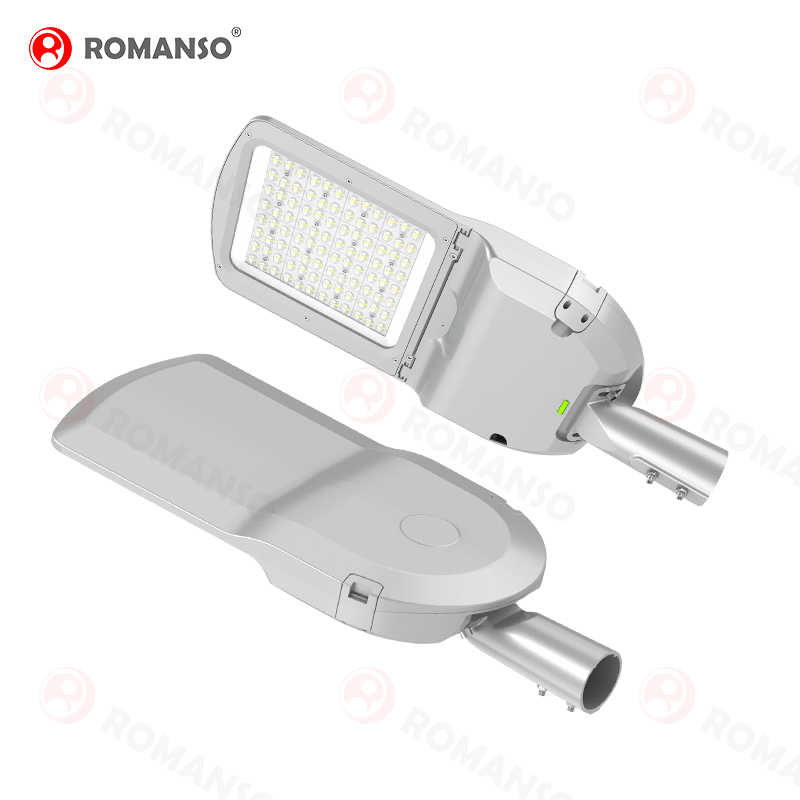
Electrical Safety Measures
Working with electrical systems requires strict adherence to safety protocols. Before beginning any LED street light installation, verify that power is completely disconnected and locked out. Use voltage testers to confirm the absence of electrical current, and never assume a circuit is dead without testing.
Implement proper grounding procedures and ensure all electrical connections are properly insulated. Weather protection measures should be in place to prevent moisture ingress during installation.
Installation Process and Techniques
Mounting and Positioning
Proper mounting is crucial for successful LED street light installation. Begin by confirming the pole's structural integrity and ensuring it can support the new fixture's weight. Install mounting brackets according to manufacturer specifications, paying careful attention to torque requirements.
Position the fixture at the correct angle to optimize light distribution and minimize light pollution. Most LED street lights require specific orientation to achieve their designed photometric pattern.
Wiring and Connections
Careful attention to wiring is essential for reliable LED street light installation. Strip and connect wires according to local electrical codes, using appropriate connectors and wire nuts. Ensure proper polarity and secure all connections to prevent future maintenance issues.
Install surge protection devices to safeguard the LED fixtures against power fluctuations. Properly seal all electrical connections to maintain weather resistance and prevent moisture-related failures.
Testing and Quality Assurance
Initial Testing Procedures
After completing the LED street light installation, conduct comprehensive testing to verify proper operation. Check voltage levels, current draw, and ensure all safety features are functioning correctly. Observe the fixture during nighttime hours to confirm proper light distribution and coverage.
Document all test results and measurements for future reference and warranty purposes. Address any issues immediately before finalizing the installation.
Performance Verification
Monitor the newly installed LED street lights through several operational cycles. Verify that automatic controls, photocells, or smart systems are functioning as intended. Measure light levels at various points to ensure compliance with required illumination standards.
Record baseline performance metrics to establish benchmarks for future maintenance and optimization. This data helps in tracking energy savings and system efficiency over time.
Maintenance and Troubleshooting Guidelines
Regular Maintenance Schedule
Establish a comprehensive maintenance program following LED street light installation. Schedule regular inspections to check for physical damage, clean fixtures, and verify electrical connections. While LED fixtures require less maintenance than traditional lighting, periodic attention ensures optimal performance.
Create a maintenance log to track inspection dates, findings, and any corrective actions taken. This documentation helps identify patterns and prevent potential issues before they become problems.
Common Issues and Solutions
Despite careful installation, issues may arise with LED street lights. Common problems include flickering, premature dimming, or complete failure. Understanding these potential issues helps in quick diagnosis and resolution.
Maintain a stock of essential replacement parts and document troubleshooting procedures. Train maintenance personnel in proper diagnostic techniques and repair procedures to minimize downtime.
Frequently Asked Questions
How long does a typical LED street light installation take?
A standard LED street light installation typically takes 1-2 hours per fixture, depending on site conditions and complexity. This includes mounting, wiring, and initial testing. Large-scale projects may achieve faster per-unit installation times through efficient workflow organization.
What are the main benefits of professional LED street light installation?
Professional installation ensures optimal performance, maximum energy savings, and compliance with safety standards. Properly installed LED street lights offer longer lifespan, reduced maintenance costs, and better light quality while minimizing the risk of electrical hazards or mechanical failures.
How can I ensure my LED street light installation meets local regulations?
Work with certified electrical contractors familiar with local codes and standards. Obtain necessary permits before beginning installation, and ensure all work is documented and inspected by appropriate authorities. Regular consultation with lighting specialists can help navigate complex regulatory requirements.


