
 EN
EN
 AR
AR
 BG
BG
 HR
HR
 CS
CS
 DA
DA
 NL
NL
 FI
FI
 FR
FR
 DE
DE
 EL
EL
 HI
HI
 IT
IT
 JA
JA
 KO
KO
 NO
NO
 PL
PL
 PT
PT
 RO
RO
 RU
RU
 ES
ES
 SV
SV
 CA
CA
 TL
TL
 IW
IW
 ID
ID
 LV
LV
 LT
LT
 SK
SK
 SL
SL
 UK
UK
 ET
ET
 GL
GL
 HU
HU
 MT
MT
 TH
TH
 TR
TR
 FA
FA
 MS
MS
 GA
GA
How to Power LED Work Lighting Efficiently
2025
Understanding the Future of Industrial Illumination
The landscape of industrial and workplace lighting has undergone a revolutionary transformation with the advent of LED work lighting solutions. As businesses and industries increasingly prioritize energy efficiency and sustainability, LED technology has emerged as the definitive choice for modern workplace illumination. This comprehensive guide explores the most effective ways to power and implement LED work lighting systems while maximizing their potential benefits.
Core Components of LED Work Lighting Systems
Power Supply Units and Drivers
At the heart of every efficient LED work lighting system lies the power supply unit (PSU) and LED drivers. These components are crucial for converting standard electrical current into the precise voltage and current requirements that LED fixtures need. High-quality drivers ensure stable performance, prevent flickering, and significantly extend the lifespan of your LED work lighting installation.
Modern LED drivers come with various features like dimming capabilities, protection against voltage fluctuations, and smart controls. Selecting the appropriate driver rating is essential - it should match your LED fixture's power requirements while maintaining a safety margin for optimal performance.
Voltage Considerations and Circuit Design
The voltage requirements for LED work lighting systems vary depending on the installation scale and specific application needs. While some smaller setups can operate efficiently on 12V or 24V systems, larger industrial applications might require 120V or 277V configurations. Understanding these requirements helps in designing an energy-efficient power distribution system.
Circuit design plays a vital role in system reliability. Properly planned circuits with appropriate wire gauges and protection mechanisms ensure minimal power loss and maintain consistent illumination across all fixtures. This attention to detail in the power infrastructure directly impacts both energy consumption and maintenance costs.
Energy Optimization Strategies
Smart Control Implementation
Implementing smart control systems represents one of the most effective ways to optimize LED work lighting power consumption. Modern control solutions include motion sensors, daylight harvesting systems, and programmable timers. These technologies automatically adjust lighting levels based on occupancy and natural light availability, potentially reducing energy usage by up to 50%.
Advanced control systems can also integrate with building management systems (BMS), allowing for centralized monitoring and control of lighting zones. This level of automation ensures lights operate only when needed and at appropriate intensity levels, maximizing energy efficiency while maintaining optimal workplace illumination.
Power Management Techniques
Effective power management extends beyond simple on/off controls. Sophisticated power management systems can monitor and adjust power delivery in real-time, responding to varying workplace requirements and environmental conditions. This dynamic approach ensures that LED work lighting systems operate at their most efficient levels throughout their operational cycle.
Implementing power factor correction (PFC) circuits and surge protection devices further enhances system efficiency while protecting your investment. These components help maintain stable power delivery and prevent damage from electrical disturbances, contributing to longer system life and reduced maintenance costs.
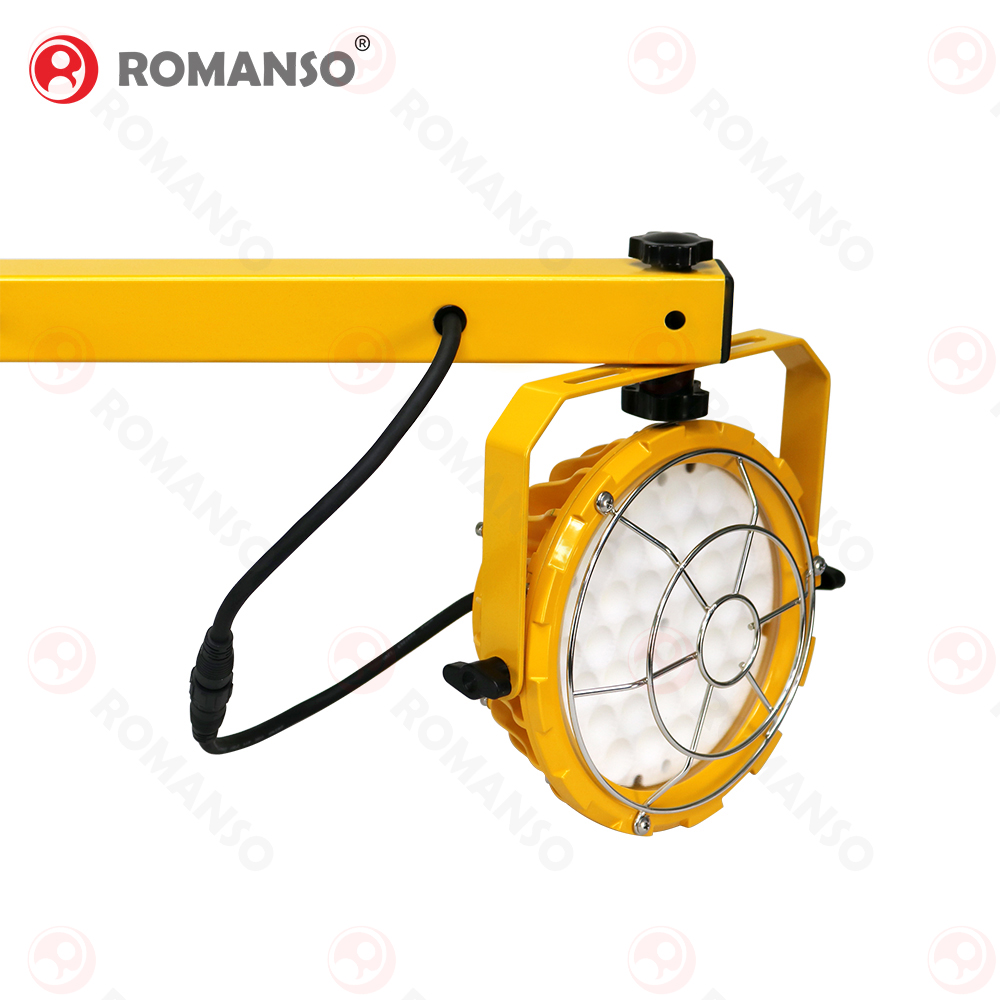
Installation Best Practices
Wiring and Connection Standards
Proper wiring installation is fundamental to achieving optimal LED work lighting efficiency. Using appropriately sized conductors and maintaining proper connection techniques minimizes power losses and ensures reliable operation. All connections should be properly sealed and protected against environmental factors, particularly in industrial settings where dust, moisture, or vibration might be present.
Following industry-standard installation practices not only improves system efficiency but also ensures compliance with safety regulations and building codes. This includes proper grounding, appropriate use of junction boxes, and maintaining required clearances for heat dissipation.
Thermal Management Considerations
Heat management directly impacts the efficiency and longevity of LED work lighting systems. Proper thermal design ensures optimal operating temperatures, which is crucial for maintaining light output and energy efficiency. This includes selecting appropriate heat sinks, ensuring adequate ventilation, and considering ambient temperature conditions in the installation environment.
Regular monitoring of operating temperatures and maintaining clean, unobstructed fixtures helps prevent thermal-related efficiency losses. In high-temperature environments, additional cooling measures may be necessary to maintain optimal performance.
Maintenance and Optimization
Regular Performance Monitoring
Implementing a systematic monitoring program helps maintain peak efficiency in LED work lighting systems. This includes regular light level measurements, power consumption analysis, and performance tracking. Modern monitoring systems can provide real-time data on system performance, enabling quick identification and resolution of efficiency issues.
Documentation of performance metrics over time helps identify trends and potential problems before they impact efficiency. This proactive approach to maintenance can significantly reduce operating costs and extend system lifespan.
Upgrade and Retrofit Strategies
As LED technology continues to evolve, staying current with efficiency improvements becomes crucial. Planning for periodic upgrades and implementing retrofit strategies helps maintain optimal system performance. This might include replacing older drivers with more efficient models, upgrading control systems, or implementing new energy-saving features as they become available.
When considering upgrades, conduct thorough cost-benefit analyses to ensure modifications will deliver meaningful efficiency improvements. Factor in not only energy savings but also maintenance costs, improved functionality, and potential rebates or incentives.
Frequently Asked Questions
How long do LED work lighting systems typically last?
Quality LED work lighting systems, when properly powered and maintained, typically last 50,000 to 100,000 hours of operation. This lifespan can be significantly influenced by factors such as operating temperature, power quality, and usage patterns.
What are the most common causes of LED work lighting efficiency loss?
The primary causes include poor power quality, improper thermal management, dust accumulation on fixtures, and aging of power supply components. Regular maintenance and monitoring can help prevent or address these issues before they significantly impact efficiency.
How can I calculate the return on investment for an LED work lighting system?
Calculate ROI by comparing initial installation costs against projected energy savings, reduced maintenance expenses, and potential utility incentives. Consider factors such as electricity rates, operating hours, and the cost of existing lighting system maintenance. Most efficiently powered LED systems show positive ROI within 2-3 years of installation.


