
 EN
EN
 AR
AR
 BG
BG
 HR
HR
 CS
CS
 DA
DA
 NL
NL
 FI
FI
 FR
FR
 DE
DE
 EL
EL
 HI
HI
 IT
IT
 JA
JA
 KO
KO
 NO
NO
 PL
PL
 PT
PT
 RO
RO
 RU
RU
 ES
ES
 SV
SV
 CA
CA
 TL
TL
 IW
IW
 ID
ID
 LV
LV
 LT
LT
 SK
SK
 SL
SL
 UK
UK
 ET
ET
 GL
GL
 HU
HU
 MT
MT
 TH
TH
 TR
TR
 FA
FA
 MS
MS
 GA
GA
What Makes LED Explosion-proof Light Safe for Hazardous Areas?
2026
Industrial facilities operating in hazardous environments face unique challenges when it comes to lighting solutions. The presence of flammable gases, vapors, dust, or combustible materials creates conditions where standard lighting equipment could potentially ignite dangerous substances, leading to catastrophic explosions. In these high-risk environments, specialized lighting systems are essential to maintain both worker safety and operational efficiency. LED Explosion-proof Light technology has emerged as the gold standard for addressing these critical safety requirements while delivering superior performance and energy efficiency.
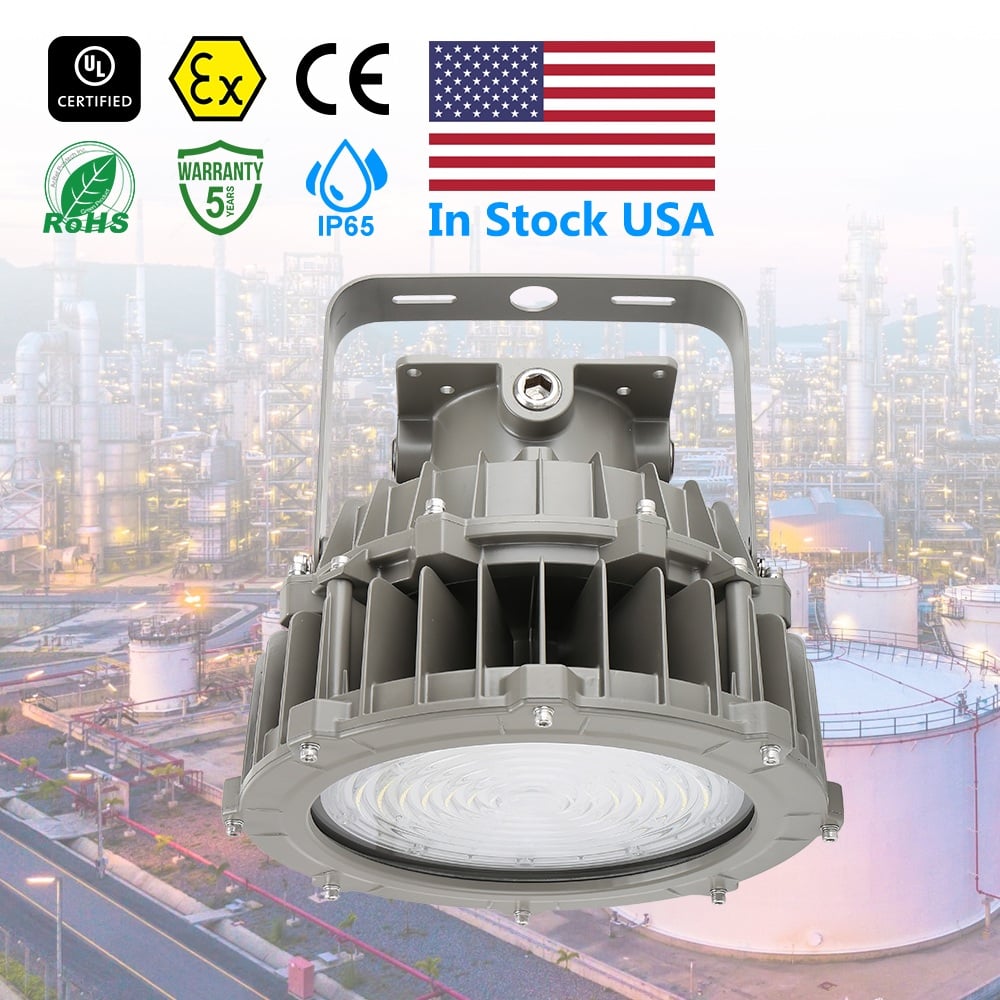
The fundamental principle behind explosion-proof lighting centers on containment and prevention rather than elimination of ignition sources. These sophisticated lighting systems are engineered to contain any internal explosions within their housing, preventing the propagation of flames or sparks to the surrounding hazardous atmosphere. This approach recognizes that while it may be impossible to completely eliminate all potential ignition sources, it is possible to contain their effects through robust engineering and design principles.
Modern LED Explosion-proof Light fixtures incorporate multiple layers of protection, from specialized enclosures and sealing systems to advanced electronic components designed for hazardous location operation. Understanding the intricate safety mechanisms, certification requirements, and performance characteristics of these critical safety devices is essential for facility managers, safety engineers, and industrial professionals responsible for maintaining safe working environments in potentially explosive atmospheres.
Understanding Explosion-proof Technology Fundamentals
Containment Principle and Design Philosophy
The core concept of explosion-proof technology relies on the principle of flame containment rather than ignition prevention. When designing LED Explosion-proof Light fixtures, engineers create robust enclosures capable of withstanding internal explosions while preventing the escape of flames, hot gases, or sparks that could ignite the external hazardous atmosphere. This containment approach acknowledges that electrical equipment may experience internal arcing or component failure, but these events must be safely contained within the fixture housing.
The enclosure design incorporates several critical elements including flame-tight joints, pressure-resistant construction, and cooling mechanisms that reduce surface temperatures below ignition thresholds. These features work together to create a comprehensive safety barrier that protects both the internal components and the external environment. The robust construction typically involves heavy-duty materials such as cast aluminum, stainless steel, or specialized alloys that can withstand both mechanical stress and extreme environmental conditions.
Temperature management plays a crucial role in explosion-proof design philosophy. LED Explosion-proof Light fixtures must maintain surface temperatures below the auto-ignition temperature of the specific hazardous substances present in the environment. This requirement necessitates sophisticated thermal management systems that efficiently dissipate heat generated by the LED components and electronic drivers while maintaining the integrity of the explosion-proof enclosure.
Hazard Classification Systems
Industrial environments are classified according to standardized hazard classification systems that define the types and concentrations of hazardous substances present. In North America, the National Electrical Code defines Class I locations for flammable gases and vapors, Class II for combustible dusts, and Class III for ignitable fibers. Each class is further subdivided into divisions and groups that specify the likelihood of hazardous substance presence and the specific types of materials involved.
European and international standards utilize zone-based classification systems that provide more granular categorization of hazardous areas. Zone 0 represents areas where explosive atmospheres are continuously present, Zone 1 indicates locations where explosive atmospheres are likely during normal operation, and Zone 2 covers areas where explosive atmospheres are unlikely to occur during normal operation. LED Explosion-proof Light fixtures must be specifically rated and certified for the particular zones and substance groups present in their intended installation locations.
Understanding these classification systems is essential for proper fixture selection and installation. Each LED Explosion-proof Light must carry appropriate markings and certifications indicating its suitability for specific hazardous location classes, divisions, zones, and substance groups. Incorrect selection or installation of lighting equipment in hazardous locations can result in serious safety violations, insurance issues, and potential catastrophic incidents.
Safety Mechanisms in LED Explosion-proof Lighting
Enclosure Design and Sealing Systems
The enclosure represents the primary safety barrier in LED Explosion-proof Light systems, requiring sophisticated engineering to achieve both explosion containment and environmental protection. These enclosures typically feature thick-walled construction with precisely machined flame-tight joints that prevent the passage of flames while allowing for thermal expansion and contraction. The joint design often incorporates complex geometries that create tortuous paths, effectively quenching any flames that might attempt to escape the enclosure.
Sealing systems in explosion-proof fixtures utilize multiple approaches including threaded connections, flanged joints, and specialized gaskets designed for hazardous location service. These sealing mechanisms must maintain their integrity across wide temperature ranges while resisting chemical attack from industrial processes and environmental contaminants. Advanced LED Explosion-proof Light designs incorporate redundant sealing systems to ensure continued protection even in the event of primary seal degradation.
Material selection for enclosures involves careful consideration of strength, corrosion resistance, and thermal properties. Aluminum alloys provide excellent strength-to-weight ratios and natural corrosion resistance, while stainless steel offers superior chemical resistance in aggressive environments. Some applications require specialized materials such as bronze or other non-sparking alloys in environments where mechanical impact could potentially create ignition sources.
Electronic Component Protection
The electronic components within LED Explosion-proof Light fixtures require comprehensive protection strategies that address both normal operation and fault conditions. Driver circuits are typically enclosed within separate explosion-proof compartments or utilize intrinsically safe design principles that limit energy levels below ignition thresholds. These protection strategies ensure that component failures, short circuits, or other electrical faults cannot create sufficient energy to ignite hazardous atmospheres.
Surge protection systems integrated into explosion-proof fixtures provide defense against electrical transients that could damage components or create dangerous operating conditions. These protection systems must themselves be designed for hazardous location service, ensuring that surge protective devices do not become ignition sources during operation. Advanced LED Explosion-proof Light systems incorporate multiple levels of surge protection to safeguard against both external electrical disturbances and internally generated transients.
Thermal protection mechanisms monitor component temperatures and implement automatic shutdown procedures if dangerous temperature levels are detected. These systems prevent thermal runaway conditions that could lead to component failure or create surface temperatures exceeding safe limits for the hazardous environment. Sophisticated thermal management systems also optimize LED performance by maintaining optimal operating temperatures for maximum efficiency and longevity.
Certification Standards and Compliance Requirements
International Certification Bodies
LED Explosion-proof Light fixtures must undergo rigorous testing and certification by recognized testing laboratories to ensure compliance with applicable safety standards. In North America, organizations such as Underwriters Laboratories, the Canadian Standards Association, and Factory Mutual provide testing and certification services for hazardous location equipment. These laboratories conduct comprehensive testing programs that evaluate explosion containment, temperature limits, ingress protection, and long-term reliability under simulated hazardous conditions.
European certification follows the ATEX directive and involves notified bodies that assess conformity with harmonized standards for equipment intended for use in explosive atmospheres. The CE marking and ATEX certification indicate that LED Explosion-proof Light fixtures meet the essential health and safety requirements for European markets. International markets may require additional certifications such as IECEx, which provides mutual recognition of explosion-proof equipment certifications across participating countries.
The certification process involves detailed design review, materials analysis, prototype testing, and factory inspection procedures. Testing protocols evaluate the fixture's ability to contain explosions of specific gas mixtures, verify temperature limits under various operating conditions, and assess the effectiveness of ingress protection systems. These comprehensive evaluation procedures ensure that certified LED Explosion-proof Light fixtures will perform safely throughout their intended service life.
Installation and Maintenance Compliance
Proper installation and maintenance of LED Explosion-proof Light systems are critical for maintaining certification compliance and ensuring continued safety performance. Installation procedures must follow manufacturer specifications and applicable electrical codes, with particular attention to conduit sealing, grounding systems, and enclosure integrity. Qualified electricians with hazardous location training should perform all installation work to ensure compliance with safety requirements.
Maintenance programs for explosion-proof lighting must address the unique requirements of hazardous location equipment while maintaining the integrity of safety systems. Regular inspection procedures should verify enclosure condition, seal integrity, and proper operation of all safety mechanisms. LED Explosion-proof Light fixtures require specialized maintenance procedures that preserve the explosion-proof characteristics while enabling necessary service activities such as lamp replacement or driver repair.
Documentation requirements for hazardous location installations typically include detailed installation records, maintenance logs, and certification documentation. These records demonstrate compliance with applicable standards and provide evidence of proper installation and maintenance practices. Regular compliance audits may be required by insurance providers, regulatory agencies, or corporate safety programs to verify continued adherence to explosion-proof lighting requirements.
Performance Advantages of LED Technology
Energy Efficiency and Operating Costs
LED Explosion-proof Light systems deliver significant energy efficiency advantages compared to traditional explosion-proof lighting technologies such as high-intensity discharge or incandescent fixtures. The inherent efficiency of LED technology, combined with advanced driver designs and thermal management systems, typically reduces energy consumption by 50-80% while providing equal or superior illumination levels. These energy savings translate directly into reduced operating costs and lower environmental impact for industrial facilities.
The long service life of LED components provides additional cost advantages through reduced maintenance requirements and extended replacement intervals. Quality LED Explosion-proof Light fixtures can operate for 50,000-100,000 hours or more, dramatically reducing the frequency of maintenance activities in hazardous locations. This extended service life is particularly valuable in hazardous environments where maintenance activities require special safety procedures, work permits, and potential production shutdowns.
Power quality characteristics of LED lighting systems also contribute to overall facility efficiency through reduced electrical demand and improved power factor. Modern LED drivers incorporate power factor correction and harmonic reduction technologies that minimize electrical system losses and reduce utility demand charges. These power quality improvements benefit the entire electrical system while supporting the reliable operation of other critical industrial equipment.
Light Quality and Visual Performance
The light quality characteristics of LED Explosion-proof Light systems provide significant advantages for industrial applications requiring high visual acuity and color discrimination. LED technology offers excellent color rendering properties, uniform light distribution, and instant-on capabilities that enhance worker safety and productivity in hazardous environments. The directional nature of LED light sources enables precise optical control that maximizes useful illumination while minimizing glare and light pollution.
Dimming capabilities integrated into advanced LED explosion-proof fixtures enable dynamic lighting control that adapts to changing operational requirements and ambient conditions. These intelligent lighting systems can automatically adjust output levels based on occupancy, daylight availability, or specific task requirements while maintaining safety compliance. The ability to provide variable illumination levels enhances both energy efficiency and visual comfort for facility personnel.
The instant restart capability of LED Explosion-proof Light systems provides critical safety advantages in emergency situations where immediate illumination restoration is essential. Unlike high-intensity discharge lamps that require warm-up and cool-down periods, LED fixtures provide full light output immediately upon power application, ensuring continuous visibility during emergency procedures or power restoration activities.
Applications Across Industries
Petrochemical and Oil Refining Facilities
Petrochemical processing facilities represent one of the most demanding applications for LED Explosion-proof Light systems due to the presence of highly flammable hydrocarbons and complex chemical processes. These facilities require lighting solutions that can withstand exposure to corrosive chemicals, extreme temperatures, and potentially explosive atmospheres while providing reliable illumination for critical safety and operational activities. The robust construction and chemical resistance of modern explosion-proof fixtures make them ideal for these challenging environments.
Refinery applications often involve outdoor installations exposed to weather extremes, UV radiation, and salt air corrosion. LED Explosion-proof Light fixtures designed for these applications incorporate specialized coatings, gasket materials, and housing designs that resist environmental degradation while maintaining explosion-proof integrity. The long service life of LED technology reduces maintenance requirements in these difficult-to-access locations, improving both safety and operational efficiency.
Process control and monitoring activities in petrochemical facilities require high-quality illumination that enables accurate visual inspection and instrument reading. LED explosion-proof lighting provides the consistent, high-quality illumination necessary for these critical tasks while meeting all safety requirements for hazardous location operation. The instant-on capabilities and excellent color rendering properties of LED technology enhance operator effectiveness during both routine operations and emergency response situations.
Mining and Underground Operations
Mining operations, particularly those involving combustible materials such as coal or metal dust, require specialized LED Explosion-proof Light systems designed for the unique challenges of underground environments. These applications demand fixtures that can withstand mechanical shock, vibration, and exposure to abrasive particles while providing reliable illumination in potentially explosive atmospheres. The durability and reliability of LED technology make it particularly well-suited for these harsh operating conditions.
Underground mining environments often experience temperature extremes, high humidity, and limited ventilation that can challenge conventional lighting systems. LED Explosion-proof Light fixtures designed for mining applications incorporate enhanced sealing systems, corrosion-resistant materials, and thermal management technologies that ensure reliable operation under these adverse conditions. The low heat generation of LED technology also reduces the cooling burden on mine ventilation systems.
Mobile mining equipment requires explosion-proof lighting solutions that can withstand constant vibration, shock loads, and frequent repositioning. LED technology offers significant advantages in mobile applications due to its solid-state construction, instant-on capabilities, and resistance to vibration-induced failure. These characteristics enable reliable lighting performance on mobile equipment while maintaining explosion-proof safety requirements throughout the operational environment.
Installation Considerations and Best Practices
Site Assessment and Planning
Successful implementation of LED Explosion-proof Light systems begins with comprehensive site assessment that identifies all relevant hazards, environmental conditions, and operational requirements. This assessment process should evaluate the specific hazardous substance classifications, ambient temperature ranges, exposure to corrosive chemicals, and mechanical stress factors that will affect fixture selection and installation design. Professional hazardous location specialists should conduct these assessments to ensure accurate identification of all relevant safety and performance requirements.
Lighting design for hazardous locations must balance safety requirements with operational needs, considering factors such as illumination levels, uniformity, glare control, and emergency lighting requirements. Advanced lighting design software can model the photometric performance of LED Explosion-proof Light systems while accounting for the specific mounting constraints and safety clearances required in hazardous locations. These design tools help optimize fixture placement and selection for maximum efficiency and safety compliance.
Electrical system integration requires careful coordination between lighting circuits, control systems, and safety infrastructure to ensure proper operation and compliance with applicable codes. The installation design should consider conduit routing, junction box placement, and grounding systems while maintaining the integrity of hazardous location protection methods. Emergency lighting systems and backup power provisions must also be integrated into the overall lighting design to ensure continued illumination during power outages or emergency situations.
Installation Procedures and Quality Control
Installation of LED Explosion-proof Light systems requires specialized procedures and quality control measures that ensure continued compliance with safety certifications and performance specifications. All installation work should be performed by qualified electricians with hazardous location training and experience, following manufacturer instructions and applicable electrical codes. Proper tools and equipment designed for hazardous location work must be used throughout the installation process to maintain safety and prevent damage to explosion-proof components.
Conduit sealing procedures represent a critical aspect of explosion-proof installation that prevents the migration of hazardous gases through electrical conduit systems. These sealing compounds must be properly mixed, installed, and cured according to manufacturer specifications while maintaining appropriate clearances and accessibility for future maintenance. Quality control procedures should verify proper seal installation and effectiveness through visual inspection and testing protocols.
Commissioning procedures for LED Explosion-proof Light installations should include comprehensive testing of all electrical systems, verification of proper operation under various load conditions, and documentation of system performance parameters. These commissioning activities ensure that installed systems meet design specifications and safety requirements while providing baseline data for future maintenance and troubleshooting activities. Proper commissioning documentation forms an essential part of the permanent installation record for regulatory compliance and insurance purposes.
FAQ
How do LED Explosion-proof Light fixtures prevent ignitions in hazardous areas
LED Explosion-proof Light fixtures prevent ignitions through multiple safety mechanisms including robust enclosures that contain any internal explosions, flame-tight joints that prevent flame propagation, and temperature control systems that maintain surface temperatures below ignition thresholds. The fixtures are designed to contain rather than prevent internal electrical faults, ensuring that any sparks or flames generated within the enclosure cannot escape to ignite external hazardous atmospheres. Advanced thermal management systems and intrinsically safe electronic designs further reduce ignition risks while maintaining optimal lighting performance.
What certifications are required for explosion-proof lighting installations
Explosion-proof lighting installations require fixtures certified by recognized testing laboratories such as UL, CSA, or FM Approvals in North America, or ATEX certification for European applications. These certifications verify that LED Explosion-proof Light fixtures meet specific safety standards for hazardous location operation including explosion containment, temperature limits, and ingress protection requirements. Installation must also comply with applicable electrical codes and may require additional approvals from local authorities, insurance providers, or regulatory agencies depending on the specific application and jurisdiction.
How long do LED explosion-proof fixtures typically last in industrial environments
LED Explosion-proof Light fixtures typically provide 50,000 to 100,000 hours of service life in industrial environments, significantly exceeding the performance of traditional explosion-proof lighting technologies. The actual service life depends on operating conditions including ambient temperature, electrical supply quality, and environmental factors such as vibration or chemical exposure. The solid-state construction of LED technology provides superior resistance to mechanical shock and vibration compared to filament or arc-based light sources, contributing to extended service life and reduced maintenance requirements in demanding industrial applications.
Can existing explosion-proof fixtures be retrofitted with LED technology
Retrofitting existing explosion-proof fixtures with LED technology is possible in some cases but requires careful evaluation of compatibility and safety requirements. The retrofit process must maintain the explosion-proof certification and integrity of the original fixture while ensuring proper thermal management and electrical compatibility. Many LED Explosion-proof Light manufacturers offer retrofit kits specifically designed for common explosion-proof fixture types, but professional assessment is essential to verify that retrofit installations meet all applicable safety standards and certification requirements for the specific hazardous location application.


