
 EN
 AR
 BG
 HR
 CS
 DA
 NL
 FI
 FR
 DE
 EL
 HI
 IT
 JA
 KO
 NO
 PL
 PT
 RO
 RU
 ES
 SV
 CA
 TL
 IW
 ID
 LV
 LT
 SK
 SL
 UK
 ET
 GL
 HU
 MT
 TH
 TR
 FA
 MS
 GA
The Bright Future of Our Cities: Why LED Street Lights Are Important
2026
In recent years, cities worldwide have been undergoing a quiet yet powerful lighting revolution: the large-scale replacement of traditional street lamps with modern LED street lights. From bustling metropolitan avenues to quiet suburban roads and rural highways, LED street lighting has become the standard solution for smart city construction, energy conservation, and public safety improvement. As urban infrastructure continues to upgrade in 2026, LED street lights are no longer just simple lighting tools but core components of sustainable and intelligent urban systems.
If you take a walk through your city or town tonight, look up. The chances are that the street lights illuminating your path are no longer the familiar, warm, orange glow of the past. They are likely the crisp, bright, and energy-efficient light of LEDs (Light Emitting Diodes) .
The transition to LED street lighting is one of the most significant and visible infrastructure upgrades happening in cities around the world. But what makes this technology so revolutionary? Let's explore the incredible benefits of LED street lights and why they are lighting the way to a smarter, more sustainable future.
The most prominent advantage of LED street lights is their extraordinary energy-saving capability. High-quality LED street lights can reach a luminous efficacy of 150 to 220 lumens per watt, far exceeding traditional lighting equipment. Statistically, LED technology reduces overall street lighting power consumption by 50% to 70% compared with conventional sodium lamps. Unlike traditional lamps that require 5 to 10 minutes of warm-up time after startup, LED street lights support instant on and instant off, eliminating invalid energy consumption during preheating. When combined with intelligent dimming systems and motion sensors, LED street lights can automatically adjust brightness according to traffic flow and time periods, achieving an additional 20% to 30% of energy savings during late-night low-traffic hours. For municipal governments operating tens of thousands of street lamps, such long-term energy reduction brings substantial fiscal savings every year.
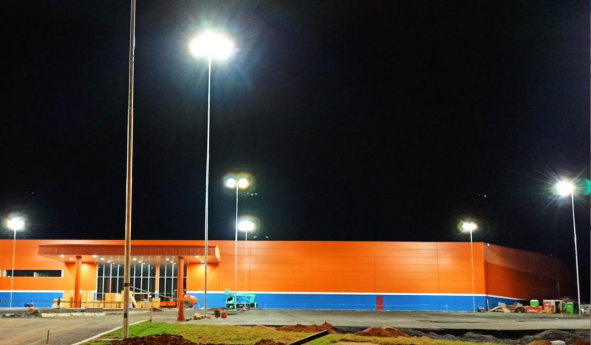
Light quality is another key reason why LED street lights replace traditional lamps. Traditional sodium lamps emit yellowish, dim light with poor color rendering, which easily causes visual fatigue and affects drivers’ judgment at night. LED street lights provide uniform, clear, and high-color-rendering white light, improving road visibility significantly. Better illumination uniformity eliminates dark zones and glare on roads, effectively reducing traffic accident rates at night. Meanwhile, LED lighting produces low heat output and contains no harmful substances such as mercury and lead. It generates no ultraviolet radiation during operation, reducing light pollution and environmental damage, fully complying with global green urban development standards.
A Longer Lifespan Means Less Maintenance
Changing a street light bulb is not as simple as changing one in your living room. It requires a bucket truck, a crew, and traffic control, which is expensive and disruptive.
LEDs are champions of longevity. They can last for 50,000 to 100,000 hours or more. In contrast, a traditional HID lamp might only last 10,000 to 20,000 hours. This drastically reduces maintenance costs and the hassle of constant replacements. A city can install an LED and forget about it for a decade or more.
Superior Light Quality for Better Safety
The quality of light matters, especially for public safety.
Better Color Rendering: LEDs provide a much higher Color Rendering Index (CRI), meaning colors look more natural and vibrant at night. This makes it easier to identify objects, people, and potential hazards.
Improved Visibility: The bright, white light of LEDs provides better contrast and peripheral vision compared to the yellowish light of older lamps. This can help drivers spot pedestrians and cyclists more easily, and help pedestrians feel safer.
Directional Light: LEDs are highly directional. This means the light can be aimed precisely where it's needed—on the road and sidewalk—rather than spilling into homes and the night sky. This reduces light pollution.
The Backbone of a "Smart City"
Perhaps the most exciting aspect of LED street lights is their potential to be the foundation of a smart city network. Because they are electronic devices, they can be easily integrated with smart control systems.
This enables incredible features:
Adaptive Lighting: Lights can be programmed to dim during late-night hours when traffic is low, saving even more energy.
Remote Monitoring: City managers can receive real-time alerts when a light goes out, allowing for proactive maintenance.
Data Collection: The light poles can be equipped with sensors to monitor air quality, traffic flow, noise levels, and more. Public Wi-Fi and 5G: They can serve as access points for public internet and the backbone for next-generation cellular networks.
Environmental Impact
By slashing energy consumption, LED street lights play a crucial role in reducing a city's greenhouse gas emissions. Their long lifespan also means fewer materials are used and less waste is generated over time. And by directing light downwards, they help preserve the natural darkness of the night, which is vital for wildlife and human health.
The Challenges and the Road Ahead
The transition isn't without its challenges. The initial cost of purchasing and installing LED fixtures is higher than traditional bulbs, though the long-term savings quickly outweigh this. There are also ongoing discussions about the best color temperature for LEDs to minimize any potential ecological impact, with warmer-toned LEDs (around 3000K) often being preferred over the harshest blue-white ones.
Despite these considerations, the direction is clear. The LED street light is no longer a novelty; it's the new standard.
From the perspective of long-term investment return, although the initial procurement cost of LED street lights is slightly higher than traditional lamps, their comprehensive economic benefits are far more prominent. Industry data shows that the overall project payback period of LED street light renovation is generally 4 to 8 years. Within a 10-year lifecycle, smart LED street lighting solutions can reduce comprehensive costs by 40% to 70% compared with traditional systems. For remote areas and rural road projects without stable grid power supply, solar LED street lights further solve power supply problems, achieving zero electricity cost and realizing true energy conservation and environmental protection.
Conclusion: Lighting the Way Forward
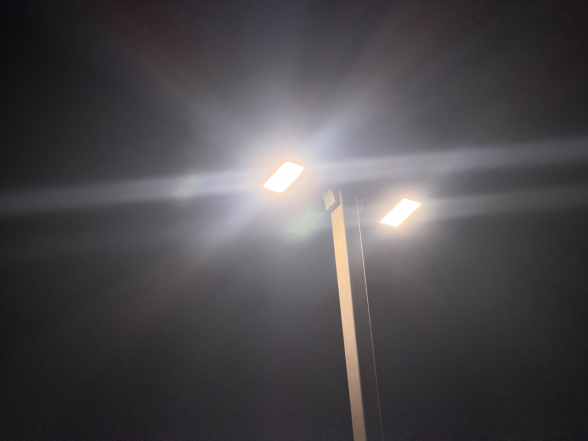
LED street lights are more than just a simple bulb swap. They represent a fundamental shift in how we manage our urban infrastructure. They are smarter, more efficient, and more adaptable. They save money, improve safety, and pave the way for the smart cities of tomorrow.
LED street lights represent the inevitable trend of global urban lighting upgrading. With superior energy efficiency, ultra-long service life, excellent light quality, low maintenance costs, and expandable intelligent functions, they perfectly meet the dual needs of modern cities for energy-saving emission reduction and refined urban management. In 2026 and the future, as smart city construction accelerates and environmental protection policies become stricter, LED street lighting technology will continue to iterate, bringing safer, greener, and smarter lighting experiences to urban roads worldwide. LED street lights have evolved from single lighting functions into multi-functional intelligent terminal carriers. Modern smart LED street lights are integrated with IoT modules, remote monitoring systems, motion sensors, and timing control systems. Urban management departments can remotely monitor the working status, real-time power consumption, and fault information of each street light through cloud platforms. Once equipment failure occurs, the system automatically alarms and locates the fault, greatly improving maintenance efficiency. Some high-end models also support linkage with traffic monitoring, environmental monitoring, and wireless signal coverage, becoming essential infrastructure for building digital and intelligent cities.
So, the next time you stand under a street light, take a moment to appreciate the technology. That bright, clean light is a beacon of a more sustainable, connected, and brighter future for our communities.


