
 EN
EN
 AR
AR
 BG
BG
 HR
HR
 CS
CS
 DA
DA
 NL
NL
 FI
FI
 FR
FR
 DE
DE
 EL
EL
 HI
HI
 IT
IT
 JA
JA
 KO
KO
 NO
NO
 PL
PL
 PT
PT
 RO
RO
 RU
RU
 ES
ES
 SV
SV
 CA
CA
 TL
TL
 IW
IW
 ID
ID
 LV
LV
 LT
LT
 SK
SK
 SL
SL
 UK
UK
 ET
ET
 GL
GL
 HU
HU
 MT
MT
 TH
TH
 TR
TR
 FA
FA
 MS
MS
 GA
GA
How Does LED Industrial Lighting Improve Workplace Safety
2025
Workplace safety remains a critical concern for industrial facilities worldwide, with proper lighting playing a fundamental role in preventing accidents and maintaining operational efficiency. Traditional lighting systems often fall short of meeting the demanding requirements of industrial environments, leading to increased safety risks and higher maintenance costs. LED industrial lighting has emerged as a transformative solution that addresses these challenges while delivering superior performance, energy efficiency, and enhanced safety standards across various industrial applications.
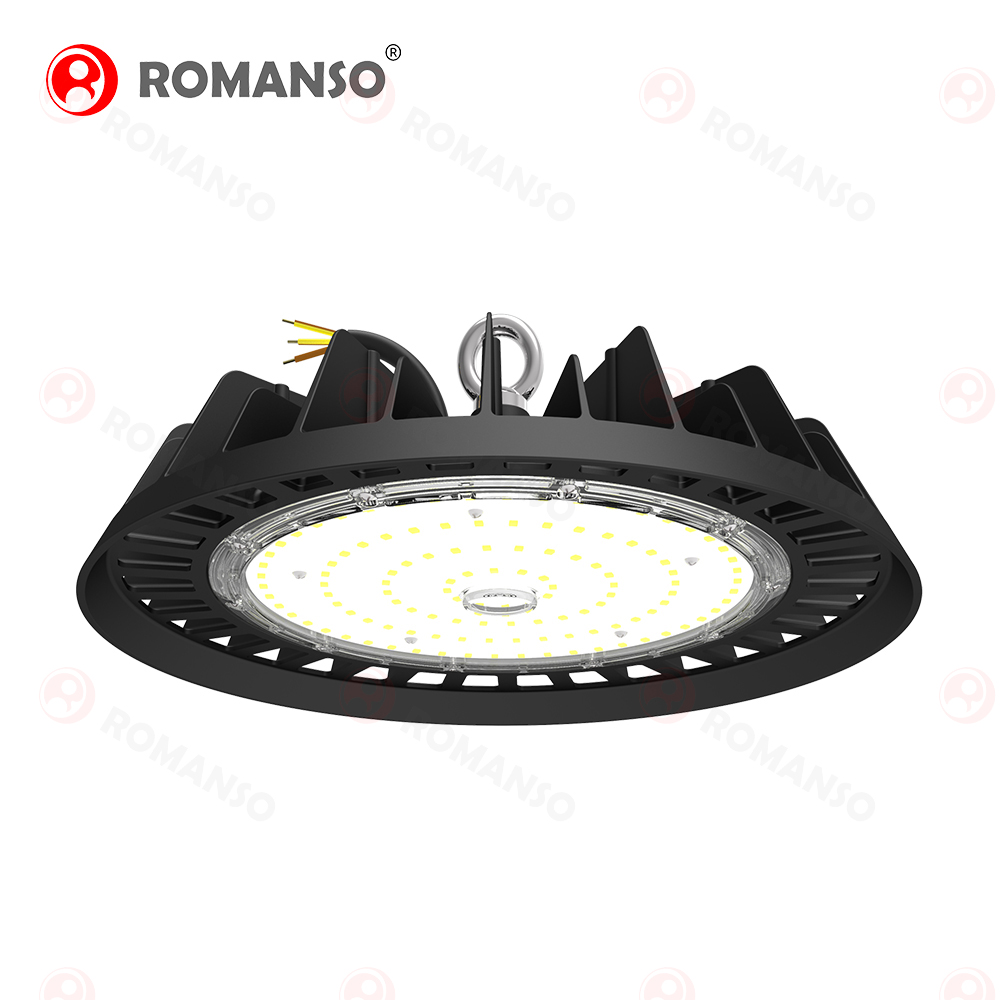
The transition from conventional lighting systems to advanced LED technology represents more than just an energy upgrade. It fundamentally transforms how industrial facilities approach safety management, operational visibility, and worker protection. Modern industrial environments demand lighting solutions that can withstand harsh conditions, provide consistent illumination, and contribute to overall workplace safety protocols. LED industrial lighting systems meet these requirements while offering additional benefits that extend far beyond basic illumination needs.
Enhanced Visibility and Accident Prevention
Superior Light Quality and Distribution
LED industrial lighting delivers exceptional light quality characterized by high color rendering index values and uniform distribution patterns. This superior illumination enables workers to accurately perceive colors, textures, and spatial relationships within their work environment. Enhanced visibility directly correlates with reduced accident rates, as employees can better identify potential hazards, navigate complex machinery, and perform detailed tasks with greater precision and confidence.
The advanced optical design of LED fixtures ensures minimal glare and shadow formation, creating safer working conditions throughout industrial facilities. Traditional lighting systems often create harsh shadows and bright spots that can obscure hazards or cause eye strain. LED technology addresses these issues through sophisticated light distribution patterns that eliminate dangerous dark zones and provide consistent illumination across entire work areas.
Improved Motion Detection and Hazard Recognition
The instant-on capability of LED industrial lighting systems significantly improves motion detection and hazard recognition in industrial environments. Unlike fluorescent or HID lighting that requires warm-up time, LED fixtures achieve full brightness immediately when activated. This characteristic proves crucial in areas with motion sensors or emergency lighting systems, ensuring immediate visibility when workers enter potentially hazardous zones or during emergency situations.
Research demonstrates that improved lighting conditions enhance peripheral vision and depth perception, enabling workers to better detect moving equipment, falling objects, or changing environmental conditions. The stable light output of LED systems maintains consistent visual conditions throughout extended operating periods, supporting sustained attention and hazard awareness among industrial personnel.
Reduced Maintenance-Related Safety Risks
Extended Lifespan and Reliability
LED industrial lighting systems typically operate for 50,000 to 100,000 hours, significantly reducing the frequency of maintenance interventions required compared to traditional lighting technologies. This extended operational life minimizes worker exposure to height-related risks associated with fixture replacement and maintenance activities. Reduced maintenance requirements translate to fewer instances where personnel must work at elevated heights or in potentially hazardous locations to service lighting equipment.
The robust construction of LED fixtures enhances their resistance to vibration, temperature fluctuations, and environmental contaminants commonly found in industrial settings. This durability reduces the likelihood of unexpected lighting failures that could create dangerous working conditions or require emergency maintenance procedures. Consistent operation minimizes disruptions to safety protocols and maintains optimal visibility standards throughout facility operations.
Simplified Maintenance Procedures
When maintenance becomes necessary, LED industrial lighting systems offer simplified servicing procedures that reduce safety risks for maintenance personnel. Modular designs enable quick component replacement without extensive disassembly, while lower operating temperatures eliminate burn risks associated with hot fixtures. These characteristics allow maintenance teams to perform necessary work more safely and efficiently.
The predictable performance degradation of LED technology enables proactive maintenance scheduling rather than reactive emergency repairs. Facility managers can plan maintenance activities during scheduled downtime, ensuring adequate safety preparations and proper equipment positioning. This approach eliminates rushed maintenance scenarios that often compromise safety protocols and increase accident risks.
Energy Efficiency and Thermal Safety Benefits
Reduced Heat Generation
LED industrial lighting produces significantly less heat compared to traditional lighting technologies, contributing to improved thermal safety in industrial environments. Lower heat output reduces fire risks and eliminates hot surfaces that could cause burns or ignite flammable materials. This characteristic proves particularly valuable in facilities handling combustible substances or operating in high-temperature environments where additional heat sources pose safety concerns.
Reduced thermal output also contributes to improved air quality and worker comfort in industrial spaces. Traditional high-intensity lighting systems often create uncomfortable hot spots and require additional ventilation to manage heat buildup. LED systems minimize these thermal challenges while maintaining superior illumination levels, creating more comfortable and safer working conditions for industrial personnel.
Power Consumption and Electrical Safety
The energy efficiency of LED industrial lighting systems reduces electrical load requirements and associated safety risks. Lower power consumption decreases stress on electrical infrastructure, reducing the likelihood of overheating, circuit failures, or electrical fires. This efficiency also minimizes the size and complexity of electrical distribution systems required to support facility lighting needs.
LED fixtures operate at lower voltages and currents compared to traditional industrial lighting, reducing electrical hazards for maintenance personnel and facility operations staff. The solid-state design eliminates risks associated with glass breakage, mercury exposure, or high-pressure gas releases that characterize conventional lighting technologies. These safety advantages make LED systems particularly suitable for environments where electrical safety represents a primary concern.
Environmental Adaptability and Performance
Temperature Resistance and Stability
LED industrial lighting systems demonstrate superior performance across wide temperature ranges, maintaining consistent light output and safety benefits in extreme environmental conditions. This temperature stability ensures reliable illumination in cold storage facilities, high-heat manufacturing processes, and outdoor industrial applications where conventional lighting might fail or provide inadequate performance.
The ability to operate effectively in challenging temperature conditions eliminates safety risks associated with lighting failures during critical operations. Consistent performance regardless of environmental conditions supports stable safety protocols and maintains worker protection standards throughout varying operational scenarios.
Vibration and Shock Resistance
Industrial environments often subject lighting systems to significant vibration and mechanical stress from heavy machinery, material handling equipment, and production processes. LED industrial lighting fixtures incorporate solid-state technology that resists these challenging conditions without performance degradation or failure. This durability prevents sudden lighting losses that could create hazardous working conditions.
The shock resistance of LED systems also enables their use in mobile industrial applications, temporary installations, and areas subject to occasional impacts. This versatility supports comprehensive safety lighting coverage throughout diverse industrial operations while maintaining reliable performance standards.
Smart Technology Integration for Enhanced Safety
Automated Control Systems
Modern LED industrial lighting systems integrate seamlessly with smart building technologies and automated control systems that enhance workplace safety. These advanced systems can automatically adjust lighting levels based on occupancy, time of day, or specific safety protocols. Integration with security systems enables immediate lighting responses to emergency situations or unauthorized access events.
Automated dimming and scheduling capabilities ensure optimal lighting levels for different activities while conserving energy during low-occupancy periods. These intelligent features maintain safety standards while optimizing operational efficiency and reducing energy costs throughout facility operations.
Monitoring and Diagnostic Capabilities
Advanced LED industrial lighting systems offer real-time monitoring and diagnostic capabilities that enable proactive safety management. These systems can detect performance degradation, identify potential failures, and alert facility managers to lighting issues before they compromise safety standards. Early warning systems prevent dangerous situations caused by unexpected lighting failures.
Integration with facility management systems provides comprehensive data on lighting performance, energy consumption, and maintenance requirements. This information supports informed decision-making regarding safety protocols, maintenance scheduling, and system optimization efforts that enhance overall workplace safety.
FAQ
How much can LED industrial lighting reduce workplace accidents?
Studies indicate that proper LED industrial lighting can reduce workplace accidents by 20-50% compared to traditional lighting systems. The improvement stems from enhanced visibility, better color recognition, reduced shadows, and consistent light output that helps workers identify hazards more effectively. The exact reduction depends on the specific industrial environment and previous lighting conditions.
What are the key safety certifications for LED industrial lighting?
LED industrial lighting should carry certifications such as UL listing, CE marking, RoHS compliance, and IP ratings appropriate for the installation environment. Additional certifications like ATEX for explosive atmospheres, NSF for food processing areas, or marine certifications for maritime applications may be required based on specific industrial applications and safety requirements.
How do LED systems perform in emergency situations?
LED industrial lighting excels in emergency situations due to instant-on capability, battery backup compatibility, and integration with emergency systems. Unlike traditional lighting that requires warm-up time, LED fixtures provide immediate full brightness when activated by emergency protocols. Many systems also support emergency battery backup and can maintain critical lighting during power outages.
What maintenance safety procedures are required for LED industrial lighting?
LED industrial lighting maintenance requires standard electrical safety procedures including lockout/tagout protocols, proper fall protection when working at height, and verification of power disconnection. However, LED systems typically require less frequent maintenance due to longer lifespans, and their lower operating temperatures reduce burn risks compared to traditional fixtures during service procedures.


