
 EN
EN
 AR
AR
 BG
BG
 HR
HR
 CS
CS
 DA
DA
 NL
NL
 FI
FI
 FR
FR
 DE
DE
 EL
EL
 HI
HI
 IT
IT
 JA
JA
 KO
KO
 NO
NO
 PL
PL
 PT
PT
 RO
RO
 RU
RU
 ES
ES
 SV
SV
 CA
CA
 TL
TL
 IW
IW
 ID
ID
 LV
LV
 LT
LT
 SK
SK
 SL
SL
 UK
UK
 ET
ET
 GL
GL
 HU
HU
 MT
MT
 TH
TH
 TR
TR
 FA
FA
 MS
MS
 GA
GA
What Are the Latest Trends in LED Industrial Lighting
2025
The industrial lighting landscape has undergone a remarkable transformation in recent years, with LED technology emerging as the dominant force reshaping how facilities illuminate their operations. Modern manufacturing plants, warehouses, and production facilities are increasingly adopting advanced LED industrial lighting solutions that offer unprecedented efficiency, longevity, and smart capabilities. This evolution represents more than just a simple bulb replacement; it signifies a fundamental shift toward intelligent, sustainable, and cost-effective lighting systems that directly impact operational productivity and bottom-line performance.
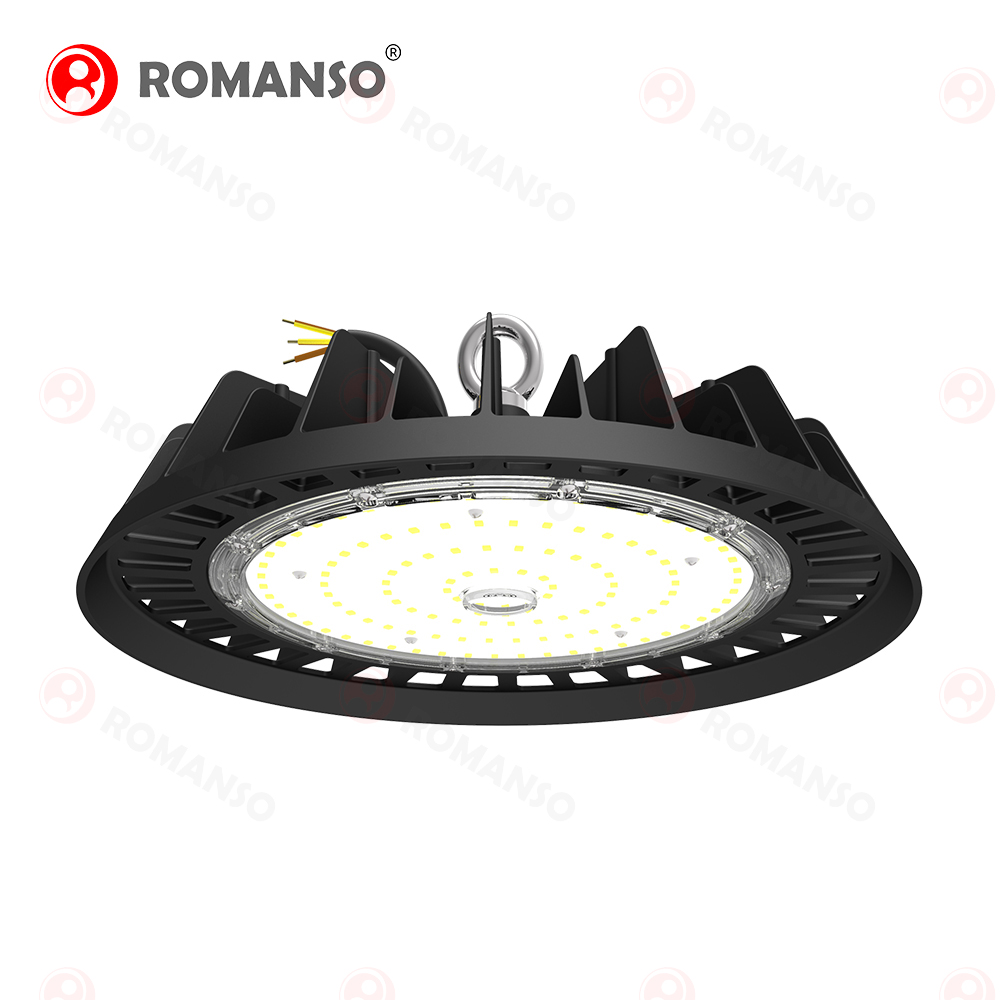
Industrial facilities worldwide are witnessing an accelerated adoption of LED technology driven by stringent energy regulations, rising electricity costs, and growing environmental consciousness. The latest trends in LED industrial lighting encompass not only improved energy efficiency but also enhanced controllability, extended operational lifespans, and integration with smart building management systems. These developments are revolutionizing how industrial operations approach their lighting infrastructure, creating opportunities for significant operational improvements and substantial long-term cost savings.
Smart Control Systems and IoT Integration
Wireless Connectivity and Remote Management
The integration of wireless connectivity into LED industrial lighting systems has emerged as a game-changing trend that allows facility managers to monitor, control, and optimize their lighting infrastructure remotely. Modern LED fixtures now incorporate advanced wireless protocols such as Zigbee, WiFi, and cellular connectivity, enabling real-time monitoring of performance metrics, energy consumption, and maintenance requirements. This connectivity allows for unprecedented control over lighting schedules, dimming levels, and zone-specific adjustments that can be managed from centralized control centers or mobile applications.
Facility operators can now implement sophisticated lighting strategies that automatically adjust based on occupancy patterns, daylight availability, and operational schedules. These intelligent systems can detect when areas of the facility are unoccupied and automatically reduce lighting levels or turn off fixtures entirely, resulting in additional energy savings beyond the inherent efficiency of LED technology. The data collected from these connected systems provides valuable insights into usage patterns, helping facility managers make informed decisions about lighting optimization and energy management strategies.
Sensor Integration and Automated Response
Advanced sensor integration represents another significant trend in LED industrial lighting, with motion sensors, ambient light sensors, and occupancy detectors becoming standard features in modern industrial lighting solutions. These sensors enable LED fixtures to respond dynamically to changing conditions within the facility, automatically adjusting brightness levels based on natural light availability or activating only when workers are present in specific areas. This level of automation reduces energy consumption while ensuring optimal lighting conditions for worker safety and productivity.
The latest sensor technologies incorporate machine learning algorithms that can adapt to facility usage patterns over time, becoming more efficient at predicting lighting needs and optimizing energy consumption. Some systems can even detect equipment vibrations or temperature changes, providing early warning signs of potential maintenance issues before they become critical problems. This predictive capability extends beyond lighting maintenance to include monitoring of the broader facility environment, making LED industrial lighting systems integral components of comprehensive facility management strategies.
Enhanced Energy Efficiency and Performance
Next-Generation LED Chip Technology
The continuous advancement in LED chip technology has resulted in dramatic improvements in luminous efficacy, with the latest industrial LED fixtures achieving over 160 lumens per watt while maintaining excellent color rendering properties. These improvements mean that modern LED industrial lighting systems can provide superior illumination quality using significantly less energy than previous generations, making them even more attractive for large-scale industrial applications where lighting costs represent a substantial operational expense.
Manufacturers are now incorporating advanced thermal management systems and improved LED chip designs that maintain consistent performance even in challenging industrial environments characterized by high temperatures, humidity, and airborne contaminants. These technological improvements have extended the operational lifespan of industrial LED fixtures to over 100,000 hours, reducing maintenance requirements and replacement costs while ensuring consistent light output throughout their service life. The combination of improved efficiency and extended lifespan creates compelling return on investment calculations that make LED upgrades financially attractive even for budget-conscious operations.
Adaptive Lighting and Circadian Optimization
The implementation of adaptive lighting systems that can adjust color temperature throughout the day represents an emerging trend that addresses both worker wellbeing and operational efficiency. These systems automatically shift from cooler, more alerting light during peak productivity hours to warmer, more relaxing tones during evening shifts, supporting natural circadian rhythms and potentially improving worker performance and satisfaction. Industrial facilities operating multiple shifts are finding that circadian lighting can help reduce fatigue and improve alertness during overnight operations.
Advanced LED controllers now offer precise control over both brightness and color temperature, allowing facility managers to create customized lighting environments that support specific tasks or work areas. High-precision manufacturing areas might benefit from cool, bright lighting that enhances visual acuity, while break areas and administrative spaces can utilize warmer lighting that promotes relaxation and comfort. This level of customization was previously impossible with traditional lighting technologies and represents a significant advantage of modern LED industrial lighting systems.
Sustainability and Environmental Impact
Carbon Footprint Reduction Initiatives
Industrial facilities are increasingly focusing on sustainability initiatives, and LED lighting upgrades represent one of the most effective strategies for reducing carbon footprints and achieving environmental goals. The energy efficiency of LED technology directly translates to reduced electricity consumption, which decreases greenhouse gas emissions associated with power generation. Many facilities are discovering that comprehensive LED lighting upgrades can reduce their overall electricity consumption by 50-70%, making a substantial contribution to corporate sustainability objectives and regulatory compliance requirements.
The environmental benefits extend beyond energy consumption to include reduced waste generation due to the extended lifespan of LED fixtures and the absence of hazardous materials such as mercury that are present in traditional fluorescent lighting systems. LED industrial lighting systems are fully recyclable at the end of their service life, contributing to circular economy principles and reducing the environmental impact of lighting infrastructure. These environmental advantages are increasingly important as companies face pressure from stakeholders, customers, and regulatory bodies to demonstrate measurable progress toward sustainability goals.
Green Building Certification Compliance
The adoption of energy-efficient LED industrial lighting systems plays a crucial role in achieving green building certifications such as LEED, BREEAM, and other internationally recognized sustainability standards. These certification programs award significant points for lighting efficiency, controllability, and reduced environmental impact, making LED upgrades essential components of comprehensive green building strategies. Facilities pursuing certification often find that LED lighting upgrades provide some of the most cost-effective points available in these rating systems.
Modern LED systems contribute to multiple certification criteria beyond energy efficiency, including daylighting integration, light pollution reduction, and indoor environmental quality improvements. The precise controllability of LED systems enables facilities to optimize natural light utilization while maintaining consistent artificial lighting levels, creating more comfortable work environments while reducing overall energy consumption. These multifaceted benefits make LED industrial lighting investments valuable components of broader facility sustainability initiatives.
Cost Optimization and Financial Benefits
Total Cost of Ownership Advantages
The financial case for LED industrial lighting continues to strengthen as technology costs decrease while performance improvements accelerate, creating increasingly attractive total cost of ownership calculations for facility owners. Modern LED fixtures typically pay for themselves through energy savings within 2-4 years, after which they continue to generate substantial cost savings for the remainder of their 15-20 year operational lifespan. When maintenance cost reductions are factored into these calculations, the financial benefits become even more compelling.
Facilities are discovering that LED upgrades often qualify for utility rebates, tax incentives, and financing programs that can significantly reduce initial investment requirements while accelerating payback periods. Many utilities offer substantial rebates for LED conversions, sometimes covering 30-50% of project costs, while federal and state tax incentives can provide additional financial benefits. These programs recognize the grid-level benefits of reduced electricity demand and often provide attractive financing terms that make LED upgrades accessible even for facilities with limited capital budgets.
Productivity and Safety Improvements
The superior light quality provided by LED industrial lighting systems contributes to measurable improvements in worker productivity, safety, and overall facility operations that extend far beyond simple energy savings. LED fixtures provide instant-on capability, consistent light output, and excellent color rendering that enhances visibility and reduces eye strain, potentially leading to fewer workplace accidents and improved quality control in manufacturing operations. These operational benefits often provide financial returns that exceed the direct energy cost savings.
Studies have shown that improved lighting quality can increase worker productivity by 5-15% while reducing error rates and safety incidents, creating substantial value that is often overlooked in traditional lighting upgrade calculations. The elimination of flickering associated with fluorescent lighting can reduce headaches and fatigue, while the instant-on capability of LED fixtures enhances security and safety during emergency situations. These qualitative benefits often justify LED investments even in facilities where energy costs alone might not provide compelling financial returns.
Technological Innovation and Future Developments
Artificial Intelligence and Machine Learning Integration
The integration of artificial intelligence and machine learning capabilities into LED industrial lighting systems represents the next frontier of lighting innovation, with smart algorithms capable of optimizing lighting performance based on complex operational patterns and environmental conditions. These systems can analyze historical usage data, weather patterns, occupancy trends, and energy costs to automatically adjust lighting schedules and intensity levels for optimal efficiency and performance. AI-powered lighting systems can identify anomalies that might indicate maintenance issues before they affect operations.
Machine learning algorithms can continuously improve their performance over time, becoming more accurate at predicting optimal lighting conditions and identifying opportunities for additional energy savings. These systems can integrate with broader facility management platforms to coordinate lighting with HVAC systems, security systems, and production schedules, creating holistic facility optimization that maximizes operational efficiency. The predictive capabilities of AI-enabled lighting systems can extend equipment lifespan and reduce maintenance costs while ensuring optimal lighting conditions are maintained at all times.
Advanced Materials and Manufacturing Techniques
Ongoing research and development in LED materials science and manufacturing techniques continue to push the boundaries of what is possible in industrial lighting applications. New semiconductor materials and manufacturing processes are enabling LED chips with even higher efficiency ratings, better thermal characteristics, and improved resistance to environmental factors common in industrial settings. These advances are making LED fixtures suitable for increasingly demanding applications such as high-temperature manufacturing processes, outdoor facilities, and hazardous environments.
Advanced optical design techniques and materials are enabling more precise light distribution patterns that can be customized for specific industrial applications, reducing wasted light and improving visual comfort while maintaining high efficiency levels. New housing materials and sealing techniques are improving the durability and longevity of LED fixtures in harsh industrial environments, while modular design approaches are simplifying maintenance and upgrade procedures. These technological advances continue to expand the range of applications where LED technology provides superior performance compared to traditional lighting alternatives.
Industry-Specific Applications and Customization
Manufacturing and Assembly Facilities
Manufacturing facilities have unique lighting requirements that vary significantly based on the specific processes, products, and quality control standards involved in their operations. Modern LED industrial lighting systems can be customized to provide precise light distribution patterns, color temperatures, and intensity levels that optimize visibility for detailed assembly work, quality inspection, and precision manufacturing processes. High-bay LED fixtures designed for manufacturing applications often incorporate advanced optics that direct light exactly where it is needed while minimizing glare and shadows.
The ability to integrate LED lighting with production management systems enables synchronized lighting that can adjust automatically based on production schedules, shift changes, and specific manufacturing processes. Some facilities are implementing color-coded lighting systems that can indicate production status, quality alerts, or safety conditions, using LED fixtures as communication tools as well as illumination sources. This level of integration represents a significant evolution from traditional industrial lighting that simply provided general illumination without regard to specific operational requirements.
Warehouse and Distribution Centers
Large-scale warehouse and distribution operations present unique challenges for lighting systems due to their vast spaces, high ceilings, and variable occupancy patterns that require flexible, efficient lighting solutions. LED high-bay fixtures designed for these applications often incorporate motion sensors and wireless controls that enable zone-based lighting management, automatically adjusting illumination levels based on activity in specific areas of the facility. This capability can result in substantial energy savings in facilities that may have large areas that are unoccupied for extended periods.
The integration of LED lighting with warehouse management systems enables innovative applications such as light-guided picking systems, where LED fixtures can highlight specific inventory locations to improve picking accuracy and efficiency. Some facilities are experimenting with color-changing LED systems that can indicate priority levels, routing information, or inventory status, transforming the lighting infrastructure into an integral component of operational efficiency. These applications demonstrate how LED technology enables lighting systems to contribute directly to operational productivity rather than simply providing basic illumination.
Frequently Asked Questions
How long do LED industrial lighting fixtures typically last compared to traditional lighting?
LED industrial lighting fixtures typically last 15-20 years or approximately 100,000 operating hours under normal industrial conditions, which is 3-5 times longer than traditional fluorescent or HID lighting systems. This extended lifespan is due to the solid-state nature of LED technology, which has no filaments or gas-filled tubes that can fail, and advanced thermal management systems that protect the LED chips from heat-related degradation. The actual lifespan can vary based on operating conditions, quality of the fixture, and maintenance practices, but even in challenging industrial environments, LED fixtures consistently outlast conventional lighting alternatives by substantial margins.
What kind of energy savings can facilities expect when upgrading to LED industrial lighting?
Most industrial facilities can expect energy savings of 50-70% when upgrading from traditional fluorescent or HID lighting to modern LED systems, with some facilities achieving even greater savings when smart controls and sensors are implemented. The exact savings depend on factors such as the type of existing lighting, facility usage patterns, and the specific LED fixtures selected, but the combination of higher luminous efficacy and intelligent control capabilities typically results in substantial reductions in electricity consumption. When combined with utility rebates and tax incentives, these energy savings often result in payback periods of 2-4 years for LED upgrade projects.
Are LED industrial lighting systems suitable for harsh industrial environments?
Modern LED industrial lighting systems are specifically designed to withstand harsh environmental conditions including extreme temperatures, high humidity, vibration, dust, and chemical exposure that are common in industrial facilities. Quality LED fixtures feature IP65 or higher ingress protection ratings, corrosion-resistant materials, and robust construction that can operate reliably in demanding conditions where traditional lighting might fail prematurely. Many LED fixtures are also available in explosion-proof configurations for hazardous locations and include features such as surge protection and wide operating temperature ranges that ensure consistent performance in challenging industrial environments.
How do smart controls and IoT integration benefit industrial LED lighting systems?
Smart controls and IoT integration enable industrial LED lighting systems to optimize energy consumption automatically, provide real-time monitoring and maintenance alerts, and integrate with broader facility management systems for improved operational efficiency. These systems can adjust lighting levels based on occupancy, daylight availability, and operational schedules while providing detailed energy consumption data and performance analytics that help facility managers identify additional optimization opportunities. The predictive maintenance capabilities of smart LED systems can prevent unexpected failures and reduce maintenance costs, while remote monitoring and control capabilities enable efficient management of lighting across multiple facilities or large industrial complexes.


