
 EN
EN
 AR
AR
 BG
BG
 HR
HR
 CS
CS
 DA
DA
 NL
NL
 FI
FI
 FR
FR
 DE
DE
 EL
EL
 HI
HI
 IT
IT
 JA
JA
 KO
KO
 NO
NO
 PL
PL
 PT
PT
 RO
RO
 RU
RU
 ES
ES
 SV
SV
 CA
CA
 TL
TL
 IW
IW
 ID
ID
 LV
LV
 LT
LT
 SK
SK
 SL
SL
 UK
UK
 ET
ET
 GL
GL
 HU
HU
 MT
MT
 TH
TH
 TR
TR
 FA
FA
 MS
MS
 GA
GA
How to Maintain LED Outdoor Lighting for Longevity
2025
LED outdoor lighting has revolutionized the way we illuminate public spaces, commercial properties, and residential areas. These energy-efficient lighting solutions offer exceptional longevity and performance when properly maintained. Understanding the fundamentals of LED outdoor lighting maintenance is crucial for maximizing your investment and ensuring optimal functionality throughout their extended lifespan. Regular maintenance not only preserves the quality of illumination but also prevents costly repairs and premature replacements that can significantly impact operational budgets.
Understanding LED Technology and Maintenance Principles
Core Components of LED Systems
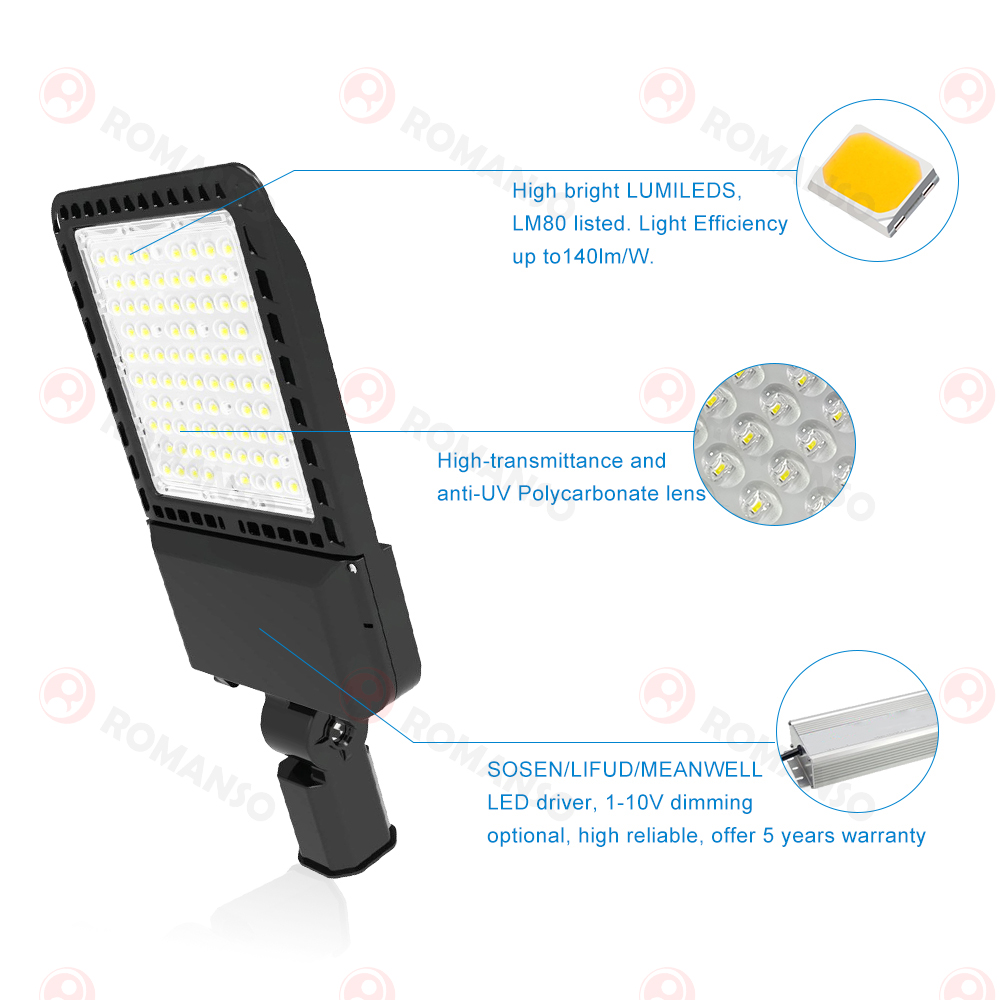
LED outdoor lighting systems consist of multiple interconnected components that require specific maintenance approaches. The LED chips themselves are remarkably durable, but their performance depends heavily on the supporting infrastructure including drivers, heat sinks, and protective housings. Understanding how these components work together helps property managers develop effective maintenance strategies that address each element systematically. The driver circuit regulates power delivery to the LEDs, while heat management systems prevent thermal damage that could reduce performance or cause premature failure.
Temperature regulation remains one of the most critical factors affecting LED lifespan and efficiency. Proper heat dissipation through well-designed heat sinks and adequate ventilation ensures that LED outdoor lighting operates within optimal temperature ranges. When heat accumulates beyond acceptable levels, LED chips experience reduced light output and accelerated degradation. Regular inspection of heat management components helps identify potential issues before they compromise the entire lighting system.
Environmental Impact Factors
Outdoor LED installations face numerous environmental challenges that require proactive maintenance responses. Weather conditions including rain, snow, extreme temperatures, and UV radiation can gradually affect component performance and housing integrity. Salt air in coastal environments poses additional corrosion risks, while dust and debris accumulation can reduce light output and strain cooling systems. Developing location-specific maintenance protocols addresses these unique environmental factors effectively.
Seasonal variations demand adjusted maintenance schedules to account for changing environmental stresses. Winter conditions may require more frequent inspections to identify ice damage or moisture infiltration, while summer heat increases the importance of thermal management monitoring. Understanding these cyclical patterns allows maintenance teams to anticipate needs and schedule interventions at optimal times for maximum effectiveness and minimal disruption.
Preventive Maintenance Strategies
Regular Cleaning and Inspection Protocols
Establishing consistent cleaning schedules prevents dirt, dust, and debris from accumulating on LED fixtures and compromising their performance. Surface contamination reduces light output significantly and can cause uneven light distribution that affects visibility and safety. Regular cleaning with appropriate techniques and materials maintains optimal light transmission while protecting sensitive components from damage. Using mild cleaning solutions and soft materials prevents scratching or chemical damage to protective lenses and housings.
Visual inspections during cleaning sessions provide opportunities to identify developing issues before they require expensive repairs. Looking for signs of corrosion, loose connections, damaged seals, or unusual discoloration helps maintenance teams address problems proactively. Documenting inspection findings creates valuable maintenance records that track system performance trends and help predict future service needs. These records also support warranty claims and demonstrate proper maintenance practices to manufacturers and insurance providers.
Electrical System Monitoring
Monitoring electrical parameters ensures that LED outdoor lighting systems receive appropriate power levels for optimal performance and longevity. Voltage fluctuations, current irregularities, and power factor issues can significantly impact LED lifespan and efficiency. Regular electrical testing identifies potential problems with power supplies, wiring connections, and control systems before they cause system failures or safety hazards. Professional electrical assessments should be conducted at least annually, with more frequent monitoring in high-stress environments.
Power quality issues often originate from utility grid fluctuations or local electrical system problems that require coordinated solutions. Installing surge protection devices and voltage regulators helps protect LED systems from electrical disturbances that could cause immediate damage or gradual degradation. Monitoring power consumption patterns also helps identify efficiency changes that may indicate developing component problems or optimization opportunities.
Troubleshooting Common Issues
Identifying Performance Degradation
LED outdoor lighting systems may experience gradual performance degradation that requires careful observation to detect early. Light output reduction, color temperature shifts, and uneven illumination patterns often indicate developing problems with LED chips, drivers, or optical components. Establishing baseline performance measurements during installation provides reference points for comparing current performance and identifying significant changes. Photometric testing equipment helps quantify performance changes and determine when intervention becomes necessary.
Thermal imaging technology offers valuable insights into LED system health by revealing temperature distribution patterns and identifying hot spots that indicate potential problems. Excessive heat generation in specific areas may signal failing components, inadequate ventilation, or electrical issues that require immediate attention. Regular thermal surveys help maintenance teams prioritize repairs and prevent catastrophic failures that could compromise safety or require emergency replacements.
Addressing Environmental Damage
Environmental factors can cause various forms of damage to LED outdoor lighting systems that require specific repair approaches. Corrosion from moisture exposure, UV degradation of plastic components, and physical damage from weather events demand targeted solutions to restore proper function. Identifying the root cause of environmental damage helps prevent recurrence and guides material selection for replacement components. Using marine-grade materials in coastal environments or UV-resistant plastics in high-sun exposure areas extends system lifespan significantly.
Seal integrity plays a crucial role in protecting internal components from moisture infiltration that can cause electrical failures and corrosion. Regular inspection and replacement of gaskets, seals, and weatherstripping prevents water damage that could compromise entire lighting systems. Proper sealing techniques and high-quality materials ensure long-term protection against environmental intrusion while maintaining thermal management capabilities.
Advanced Maintenance Technologies
Smart Monitoring Systems
Modern LED outdoor lighting installations increasingly incorporate smart monitoring technologies that provide real-time performance data and predictive maintenance capabilities. These systems continuously monitor electrical parameters, temperature conditions, and light output levels to identify developing problems before they cause system failures. Automated alerts notify maintenance teams when parameters exceed acceptable ranges, enabling prompt intervention that prevents costly emergency repairs. Data analytics from smart monitoring systems help optimize maintenance schedules and reduce overall operational costs.
Wireless communication networks enable centralized monitoring of distributed lighting systems from remote locations, reducing the need for manual inspections and improving response times to developing issues. Cloud-based data storage and analysis provide historical performance trends that support long-term planning and budget forecasting. Integration with building management systems creates comprehensive facility monitoring capabilities that improve overall operational efficiency and coordination between different maintenance disciplines.
Diagnostic Tools and Equipment
Professional diagnostic equipment enables thorough assessment of LED outdoor lighting system health and performance characteristics. Digital multimeters, oscilloscopes, and power analyzers provide detailed electrical measurements that identify subtle problems not visible during routine inspections. Thermal imaging cameras reveal temperature distribution patterns that indicate proper heat management or developing thermal issues. Light measurement instruments quantify photometric performance and help determine when LED replacement becomes necessary.
Portable testing equipment allows field technicians to perform comprehensive diagnostics without removing fixtures from service unnecessarily. Battery-powered instruments provide accurate measurements in remote locations where grid power may not be readily available. Proper calibration and regular maintenance of diagnostic equipment ensures accurate readings that support informed maintenance decisions and prevent unnecessary component replacements.
Cost-Effective Maintenance Planning
Lifecycle Cost Analysis
Understanding the total cost of ownership for LED outdoor lighting systems helps organizations develop cost-effective maintenance strategies that maximize return on investment. Initial purchase prices represent only a fraction of lifetime costs, with energy consumption, maintenance labor, and replacement components contributing significantly to overall expenses. Comprehensive lifecycle analysis considers all these factors to identify optimization opportunities and support informed decision-making about maintenance frequency and scope.
Preventive maintenance investments often provide substantial long-term savings by extending system lifespan and reducing emergency repair costs. Regular cleaning, inspection, and component replacement prevent catastrophic failures that require expensive emergency service calls and temporary lighting solutions. Documenting maintenance costs and system performance helps organizations refine their strategies and demonstrate the value of proper maintenance practices to stakeholders and budget decision-makers.
Inventory Management and Replacement Planning
Strategic inventory management ensures that critical replacement components remain available when needed while minimizing carrying costs and obsolescence risks. Maintaining appropriate stock levels of LED modules, drivers, and other consumable components prevents extended downtime when repairs become necessary. Supplier relationships and procurement strategies should account for lead times, minimum order quantities, and technology evolution that may affect component availability over time.
Replacement planning considers both immediate repair needs and long-term system upgrade opportunities. As LED technology continues advancing, newer components may offer improved efficiency, longer lifespan, or enhanced features that justify proactive replacement rather than reactive repairs. Coordinating replacement timing with budget cycles and operational schedules maximizes the benefits of technology improvements while minimizing disruption to facility operations.
FAQ
How often should LED outdoor lighting be cleaned and inspected
LED outdoor lighting fixtures should be cleaned every 3-6 months depending on environmental conditions, with more frequent cleaning required in dusty or high-pollution areas. Visual inspections should be conducted monthly to identify developing issues early, while comprehensive electrical and thermal assessments should be performed annually by qualified technicians. Coastal environments or areas with heavy industrial activity may require more frequent maintenance cycles to address accelerated contamination and corrosion risks.
What are the signs that LED outdoor lighting needs maintenance
Key indicators that LED outdoor lighting requires maintenance include reduced light output, flickering or intermittent operation, color temperature changes, visible corrosion or damage to fixtures, and unusual noise from electrical components. Hot spots detected through thermal imaging, moisture inside fixture housings, and significant increases in power consumption also signal maintenance needs. Any visible damage to seals, lenses, or mounting hardware should prompt immediate inspection and repair to prevent further deterioration.
Can LED outdoor lighting be repaired or must entire fixtures be replaced
Most LED outdoor lighting systems are designed for component-level repair rather than complete fixture replacement. Individual LED modules, drivers, and optical components can typically be replaced independently, making repairs more cost-effective than full replacements. However, extensive damage or obsolete components may necessitate complete fixture replacement. Professional assessment helps determine whether repair or replacement provides better long-term value based on system age, condition, and available upgrade opportunities.
How do weather conditions affect LED outdoor lighting maintenance requirements
Weather conditions significantly impact maintenance requirements for LED outdoor lighting systems. High temperatures increase thermal stress and may require more frequent cooling system inspections, while cold weather can affect electrical components and increase brittleness in plastic housings. Heavy rainfall and snow require attention to drainage and seal integrity, while high winds may cause mechanical stress on mounting systems. Coastal locations need additional corrosion protection and more frequent cleaning due to salt exposure.


