
 EN
EN
 AR
AR
 BG
BG
 HR
HR
 CS
CS
 DA
DA
 NL
NL
 FI
FI
 FR
FR
 DE
DE
 EL
EL
 HI
HI
 IT
IT
 JA
JA
 KO
KO
 NO
NO
 PL
PL
 PT
PT
 RO
RO
 RU
RU
 ES
ES
 SV
SV
 CA
CA
 TL
TL
 IW
IW
 ID
ID
 LV
LV
 LT
LT
 SK
SK
 SL
SL
 UK
UK
 ET
ET
 GL
GL
 HU
HU
 MT
MT
 TH
TH
 TR
TR
 FA
FA
 MS
MS
 GA
GA
How Does LED Stadium Light Enhance Spectator Experience
2025
Modern sports venues face unprecedented demands for superior lighting solutions that can transform the spectator experience while meeting stringent broadcasting requirements. The evolution from traditional lighting systems to advanced LED technology has revolutionized how stadiums illuminate their events, creating environments that enhance visibility, reduce energy consumption, and provide unmatched versatility for various sporting activities. Today's LED stadium light systems represent a significant leap forward in both performance and efficiency, offering venue operators the tools they need to create memorable experiences for fans while maintaining operational excellence.
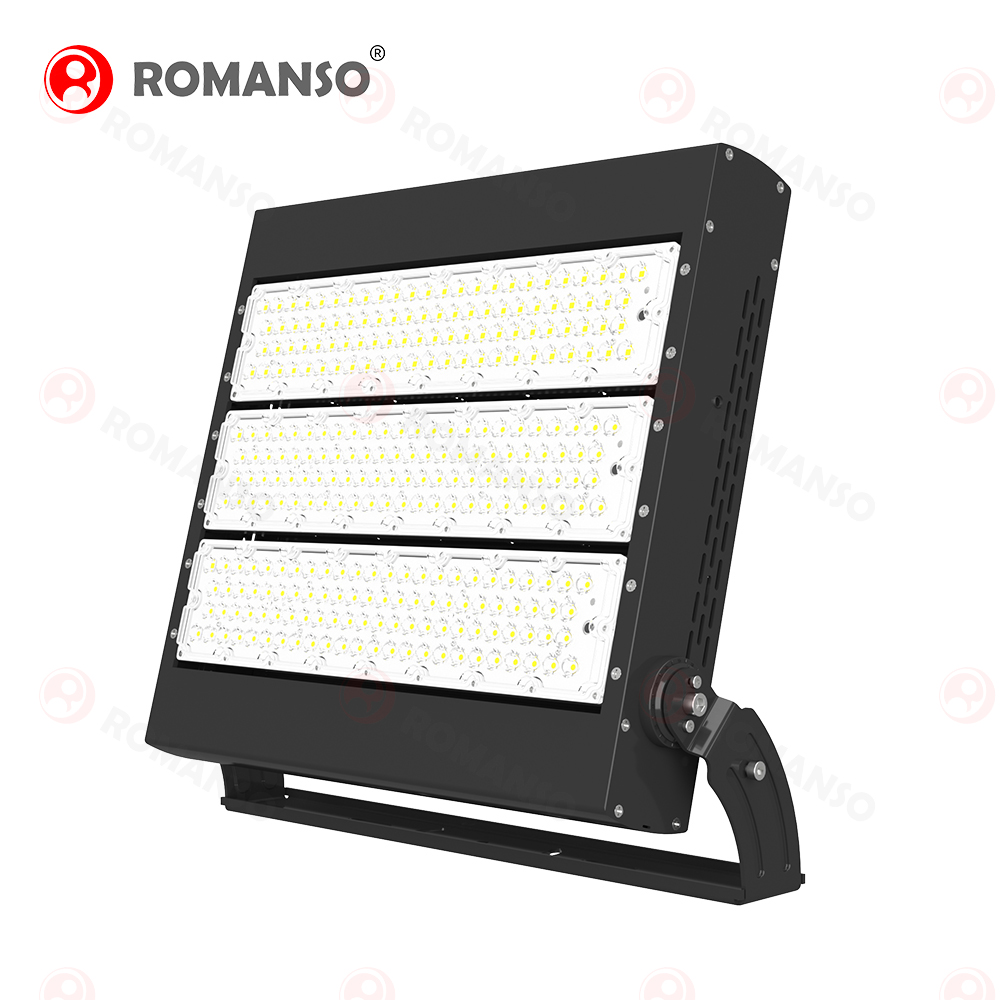
Technological Advantages of Modern Stadium Lighting
Superior Light Quality and Distribution
The implementation of LED stadium light technology delivers exceptional uniformity across playing surfaces, eliminating the hot spots and dark areas commonly associated with traditional metal halide systems. Advanced optical design ensures consistent illumination levels that meet international sporting standards while providing spectators with crystal-clear visibility from every seat in the venue. The precise beam control capabilities allow lighting designers to optimize light distribution patterns specifically for each sport's requirements.
Color rendering index values exceeding 80 ensure that players, uniforms, and field markings appear in their true colors, enhancing the visual experience for both live audiences and television broadcasts. The instant-on capability eliminates warm-up periods, allowing for immediate full brightness when needed for pre-game ceremonies or emergency situations. This technological advancement represents a fundamental shift in how stadiums approach their lighting infrastructure.
Energy Efficiency and Environmental Impact
Contemporary LED stadium lighting systems achieve remarkable energy savings of up to 75% compared to conventional high-intensity discharge lamps, significantly reducing operational costs over the system's lifespan. The extended operational life of LED components, often exceeding 100,000 hours, minimizes maintenance requirements and replacement costs while ensuring consistent performance throughout their service life. Heat generation is substantially reduced, creating more comfortable conditions for spectators and reducing the burden on HVAC systems.
Environmental benefits extend beyond energy conservation, as LED systems contain no mercury or other hazardous materials, making disposal safer and more environmentally responsible. The reduced carbon footprint aligns with sustainability initiatives increasingly important to venue operators and the communities they serve. Smart control systems enable dynamic lighting adjustments based on occupancy, weather conditions, and specific event requirements, further optimizing energy consumption.
Enhanced Spectator Experience Through Advanced Lighting
Visual Comfort and Clarity
Strategic placement and advanced optical control of LED stadium light fixtures eliminate glare while maximizing visibility throughout the venue, ensuring spectators can follow the action comfortably regardless of their seating location. The ability to adjust color temperature during events creates atmosphere-appropriate lighting that enhances the emotional connection between fans and the sporting experience. Flicker-free operation protects spectator comfort during extended viewing periods while supporting high-quality video capture for replays and broadcasts.
Uniform illumination across seating areas, concourses, and circulation spaces improves navigation safety while maintaining the visual focus on the playing field. The elimination of strobing effects that plagued older lighting technologies ensures that fast-paced action remains clearly visible without causing visual discomfort. These improvements collectively contribute to higher spectator satisfaction and increased venue attendance.
Dynamic Lighting Capabilities
Modern LED systems offer unprecedented flexibility in creating dynamic lighting displays that enhance pre-game entertainment, halftime shows, and post-event celebrations. Programmable color-changing capabilities allow venues to display team colors, create themed lighting effects, or support special events beyond traditional sporting activities. The ability to integrate with sound systems and other venue technologies creates immersive experiences that extend far beyond simple illumination.
Instant dimming and brightness adjustment capabilities enable venues to create dramatic lighting transitions that build excitement and energy throughout events. These features transform stadiums into versatile entertainment venues capable of hosting concerts, cultural events, and community gatherings with appropriate lighting support. The flexibility of LED stadium light systems maximizes venue utilization while providing unique experiences for different types of events.
Broadcast and Media Enhancement
Television Production Quality
Professional sports broadcasting demands precise lighting conditions that LED stadium light technology delivers consistently, meeting the stringent requirements of high-definition television production. The elimination of flicker at standard broadcast frame rates ensures smooth video capture without the banding or strobing effects that can compromise broadcast quality. Color consistency across the entire illuminated area provides uniform background conditions that enhance the visual appeal of televised events.
The ability to maintain consistent light levels throughout extended broadcast periods eliminates the variations that occur with traditional lighting systems as they age or temperatures fluctuate. This reliability is crucial for maintaining professional broadcast standards across multi-hour events or tournaments spanning multiple days. Enhanced contrast ratios improve the visibility of fine details, making it easier for viewers to follow rapid player movements and ball trajectories.
Digital Media and Photography Support
High-frequency operation of LED systems eliminates the flicker that can interfere with digital cameras and smartphones, enabling spectators and professional photographers to capture crisp, clear images throughout events. The consistent color temperature and high color rendering index ensure that photographs and videos accurately represent the venue atmosphere and event excitement. This capability supports social media engagement and helps venues leverage user-generated content for marketing purposes.
Professional photography for marketing, documentation, and news coverage benefits from the stable, high-quality illumination that LED stadium lighting provides. The absence of warm-up periods allows for immediate photography readiness, while the extended lifespan ensures consistent image quality throughout the system's operational life. These features collectively support the venue's media strategy and enhance its ability to showcase events effectively.
Operational Efficiency and Management
Maintenance and Reliability
The extended operational life of LED stadium light components significantly reduces maintenance requirements, minimizing disruptions to venue operations and reducing long-term operational costs. Modular design approaches allow for individual component replacement without affecting entire fixture assemblies, enabling targeted maintenance that minimizes downtime and repair costs. Weather-resistant construction ensures reliable operation in challenging outdoor environments while maintaining consistent performance across varying temperature and humidity conditions.
Predictive maintenance capabilities enabled by smart LED systems allow facility managers to anticipate component replacement needs before failures occur, preventing unexpected dark periods during events. The absence of fragile filaments or gas-filled chambers reduces susceptibility to vibration damage from crowd noise, fireworks, or other venue activities. These reliability improvements translate directly into reduced operational risks and improved event quality assurance.
Control System Integration
Advanced control systems enable precise management of LED stadium light installations through centralized interfaces that simplify operation while providing extensive customization options. Integration with building management systems allows for coordinated control of lighting, HVAC, and security systems to optimize overall venue efficiency. Programmable scheduling capabilities automate routine lighting operations while providing manual override options for special circumstances or emergency situations.
Remote monitoring capabilities enable facility managers to assess system status, energy consumption, and performance metrics from anywhere, supporting proactive management strategies that optimize both performance and efficiency. Data logging features provide valuable insights into usage patterns, energy consumption trends, and system performance over time, supporting informed decision-making for future upgrades or expansions. These technological capabilities transform lighting from a passive system into an active component of venue management strategy.
Economic Impact and Return on Investment
Cost Analysis and Savings
While initial investment costs for LED stadium light systems may exceed traditional alternatives, the total cost of ownership demonstrates significant advantages through reduced energy consumption, extended component life, and decreased maintenance requirements. Energy savings alone often justify the investment within three to five years, with continued savings throughout the extended operational life of LED systems. Reduced cooling costs from lower heat generation provide additional savings that compound over time.
Labor cost reductions result from decreased maintenance frequency and simplified service procedures, while the elimination of lamp replacement cycles removes ongoing material costs associated with traditional systems. Insurance benefits may apply due to improved safety characteristics and reduced fire risk associated with LED technology. These combined factors create a compelling financial case for LED stadium lighting adoption across various venue types and sizes.
Revenue Enhancement Opportunities
Enhanced lighting quality and capabilities can directly support increased ticket sales through improved spectator experience and venue versatility. The ability to host diverse events beyond traditional sports programming expands revenue opportunities while maximizing facility utilization. Premium seating areas benefit from superior lighting quality that justifies higher ticket prices and enhances the value proposition for corporate sponsors and season ticket holders.
Broadcast quality improvements can lead to enhanced media contracts and increased television revenue, while the visual appeal of well-lit venues supports marketing and promotional activities. Reduced operational costs create budget flexibility for other venue improvements or expanded programming options. The combination of cost savings and revenue enhancement opportunities provides multiple pathways for return on investment realization.
FAQ
How long do LED stadium lights typically last compared to traditional lighting systems
LED stadium light systems typically operate for 100,000 hours or more, which translates to approximately 20-25 years of normal stadium use. This represents a five to ten-fold increase in operational life compared to metal halide or high-pressure sodium systems that typically require replacement every 2-4 years. The extended lifespan significantly reduces maintenance costs, minimizes service disruptions, and provides more predictable operational budgeting for facility managers.
What are the key factors to consider when upgrading to LED stadium lighting
Critical considerations include light level requirements for specific sports, uniformity standards for broadcasting, mounting infrastructure compatibility, and control system integration capabilities. Energy costs, maintenance accessibility, local climate conditions, and utility rebate programs should also factor into the decision. Working with experienced lighting designers ensures that the system meets both current needs and future expansion requirements while complying with relevant sporting and safety regulations.
Can LED stadium lights support multiple sports and event types
Modern LED stadium lighting systems offer exceptional versatility through programmable control systems that can store multiple lighting scenarios optimized for different sports and events. The ability to adjust light levels, color temperature, and distribution patterns allows a single installation to meet the specific requirements of football, soccer, baseball, concerts, and community events. This flexibility maximizes venue utilization while ensuring optimal conditions for each type of activity.
What maintenance requirements are associated with LED stadium lighting systems
LED stadium light maintenance primarily involves periodic cleaning of fixture lenses, inspection of mounting hardware, and monitoring of control system performance. The absence of lamp replacements eliminates the most labor-intensive maintenance requirement of traditional systems. Most maintenance activities can be performed during scheduled facility downtime, and predictive maintenance features help identify potential issues before they affect system performance. Overall maintenance requirements are significantly reduced compared to conventional lighting technologies.


